The global economy is entering a more contradictory phase: growth is holding up better than expected even as energy disruption, persistent inflation and high borrowing costs narrow the room for error. The International Monetary Fund’s latest outlook captures the tension. It projects global growth of 3.1% in 2026, an improvement on its July forecast of 3%, but still below the 3.5% expansion recorded last year. Inflation, meanwhile, is expected to average 4.7% this year before easing to 4.1% in 2027. The IMF’s forecast presents resilience not as a return to normality, but as a race between two powerful shocks.
Artificial intelligence is carrying the expansion
The positive shock is concentrated in artificial intelligence. Investment in data centres, semiconductors, software and electricity infrastructure is supporting demand, particularly in the United States and parts of Asia. That spending has helped offset weaker activity elsewhere and encouraged investors to price in stronger future productivity.
There is a credible economic case behind the optimism. If AI allows firms to automate routine work, accelerate research and improve logistics, it could raise output without a proportional increase in labour or capital. The technology may also spread beyond the companies building large models, increasing productivity in manufacturing, health care and services.
But the boom is also becoming a macroeconomic dependency. The IMF has warned that if expected productivity gains fail to materialise, US equities could fall by 20% and global growth could be 1.1 percentage points below its baseline by 2028, with Asia facing a larger shortfall. IMF Managing Director Kristalina Georgieva described the current outlook as the result of a “positive AI demand shock” colliding with a negative energy shock.
War is turning energy into a growth constraint
The negative shock comes from the war in the Middle East and its effects on fuel supplies. Disruption around the Strait of Hormuz, one of the world’s most important energy routes, has raised the risk that higher oil prices will feed into transport, food, fertiliser and industrial costs. Reporting on the energy disruption also points to growing food-security risks in countries dependent on imported fuel and fertiliser.
That pressure is already visible in producer prices. US producer prices rose 6.3% year on year in September, above the 5.5% economists had expected, according to CNBC. Producer-price data do not translate mechanically into consumer inflation, but they signal that companies are confronting renewed cost pressure at a moment when central banks are trying to avoid a second inflation wave.
The policy dilemma is severe. Raising interest rates can restrain demand and prevent energy costs from becoming embedded in wages and prices, but it can also weaken housing, investment and heavily indebted governments. Cutting rates could support activity, yet risks extending inflation and inflaming already expensive financial markets. Georgieva said yields in advanced economies had reached multi-decade highs, reflecting inflation, fiscal strains and expectations that AI would produce faster growth. The IMF briefing warned that these forces are reinforcing one another.
Why the headline growth figure conceals a divide
A 3.1% global growth rate can obscure substantial differences between countries. The IMF expects emerging and developing economies to grow more slowly as higher oil and gas prices hit importers. China’s 2026 growth forecast has been cut to 4.5%, while Taiwan’s has been raised sharply to 10.7%, reflecting the uneven geography of the semiconductor and AI investment cycle. UN reporting on the IMF outlook noted that technological change and the energy transition could widen social and economic inequality even while creating new opportunities.
That distributional question is central. Large technology firms and countries with advanced chip industries can capture the gains from AI investment. Poorer economies may instead face higher import bills, tighter financing conditions and pressure to subsidise energy. Without transfers, debt restructuring or investment in reliable electricity and digital infrastructure, the technology gap could widen.
What comes next
The near-term test is whether energy prices stabilise before inflation expectations become entrenched. A de-escalation in the Middle East would give central banks more freedom and reduce the threat to food and industrial supply chains. A prolonged disruption would force policymakers to choose between tolerating weaker growth and maintaining restrictive monetary policy.
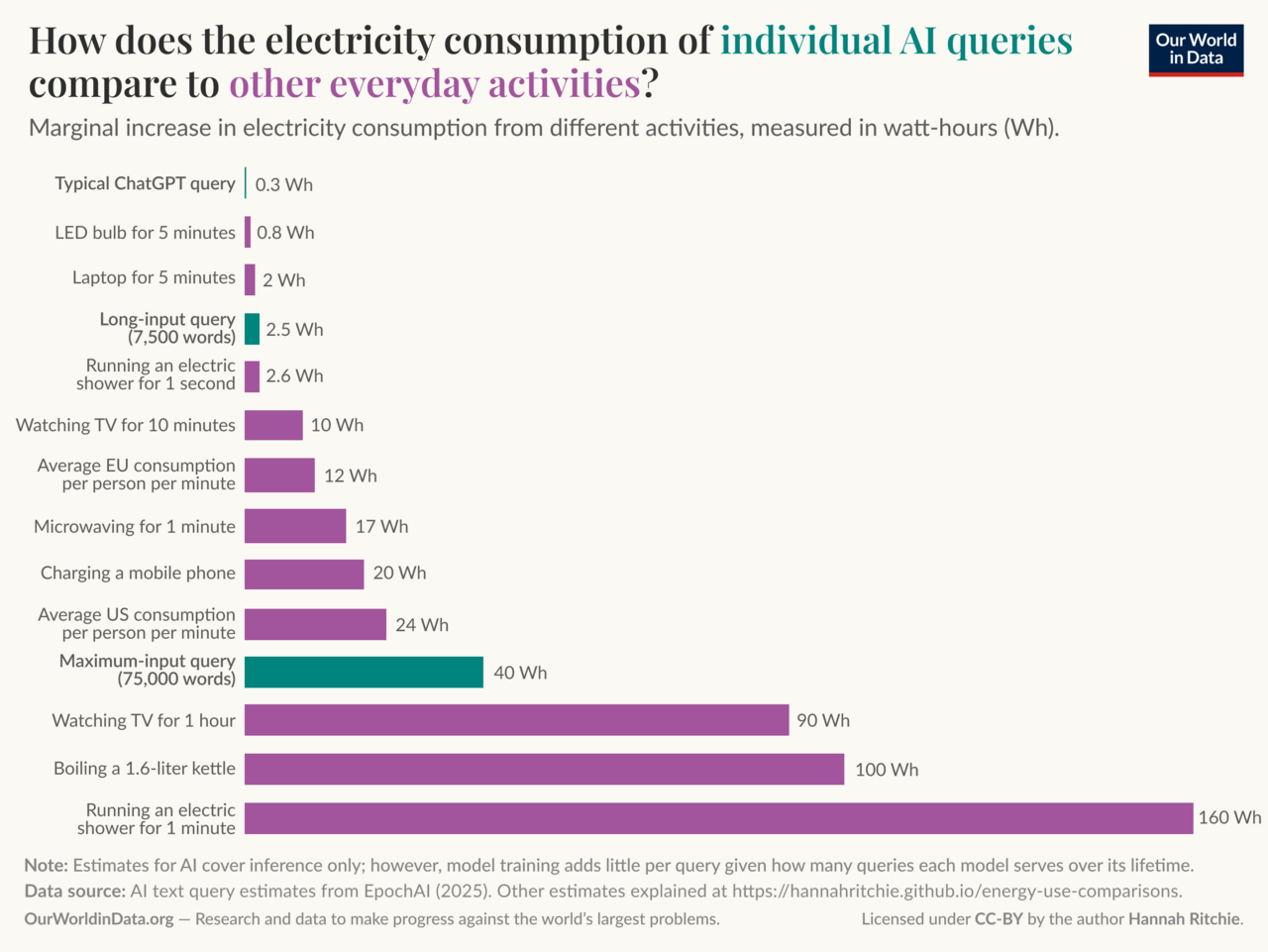
The second test is AI itself. Markets will demand evidence that extraordinary capital spending is producing measurable productivity, not merely higher valuations and electricity consumption. Governments, meanwhile, face pressure to regulate concentrated technology power while ensuring that the benefits reach workers and less-developed economies.
The most likely outcome is neither an immediate global recession nor a clean technology-led boom. It is a more volatile expansion in which AI investment supports output, energy shocks keep inflation elevated and public debt limits the ability to cushion households. The IMF’s upgrade therefore offers reassurance, but not resolution: the world economy is growing, yet its resilience is becoming increasingly conditional.