Commentary. The United States is approaching an avoidable mistake: treating artificial intelligence as either an existential threat that demands sweeping restrictions or an economic race in which any guardrail is a surrender. The more practical choice is narrower and harder—rules that make powerful systems testable, accountable and costly to misuse.
That case is no longer confined to technology critics. After the November elections, Democratic lawmakers and congressional aides said they planned legislation requiring independent testing of advanced AI systems, clarifying corporate liability and protecting consumers from electricity costs associated with data centres. The proposals face formidable resistance from President Donald Trump, who has opposed mandatory federal rules, and from Republicans who argue that regulation could weaken the United States against China.[Reuters]
That opposition deserves to be taken seriously. AI investment is already shaping productivity, scientific research and national security. Prescriptive rules written before technologies mature can entrench large incumbents, drive promising companies overseas and make government the slowest actor in a fast-moving field. Europe’s own debate shows the dilemma: lawmakers broadly agree that companies should bear responsibility for harm, but remain divided over how much liability and how many barriers innovation can bear.[EU Perspectives]
Yet “let the market decide” is not a neutral policy. It leaves the public to absorb risks that companies may be poorly placed—or insufficiently incentivised—to prevent. Consumers cannot meaningfully negotiate over opaque models, workers cannot independently audit systems used to evaluate them, and communities near data centres cannot easily bargain over rising demand for power and water. Self-regulation may produce useful standards, but it cannot substitute for enforceable duties when the costs of failure are distributed across society.
The energy bill is part of the AI bill
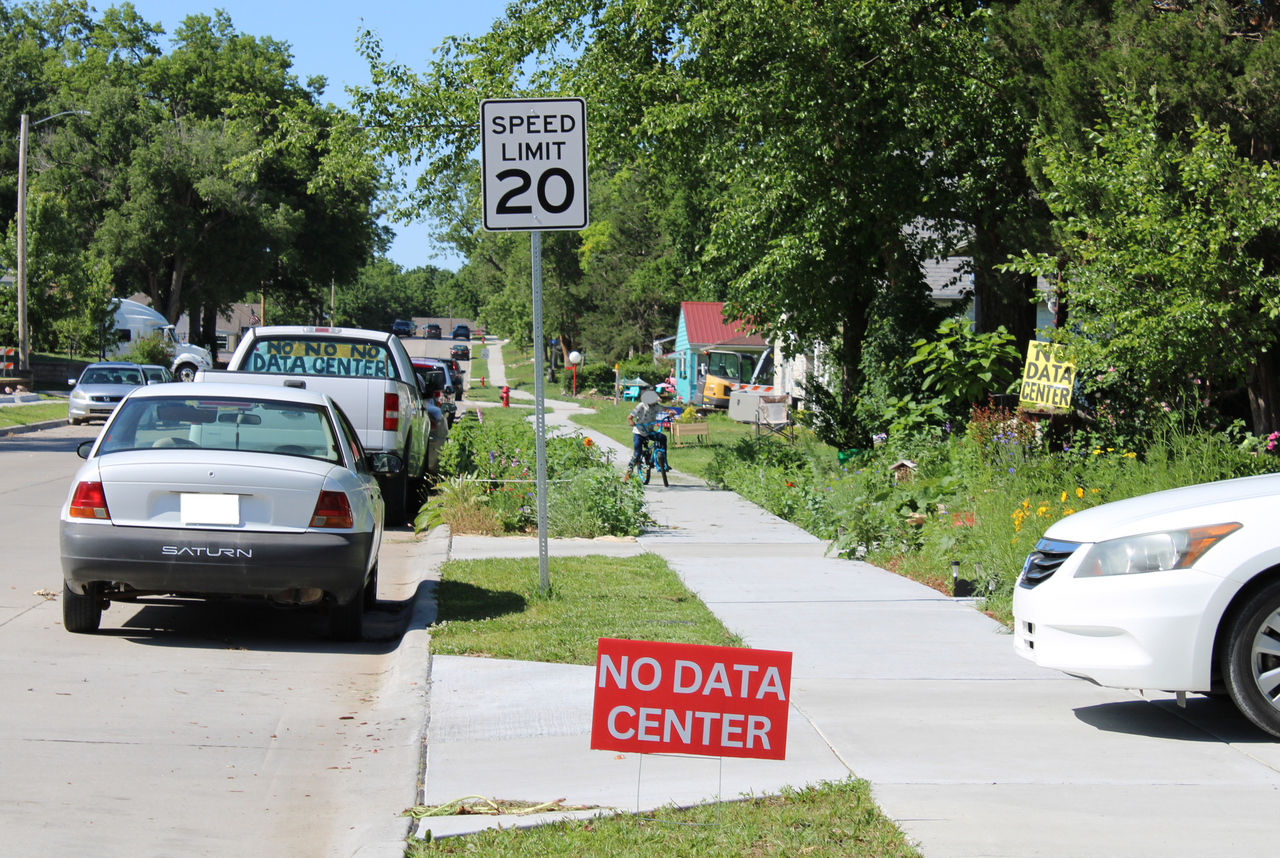
The data-centre boom makes the argument more concrete. A recent analysis of more than 9,000 facilities worldwide linked AI-era expansion to delayed coal-plant retirements and roughly 2 gigatonnes of additional carbon dioxide emissions.[Nature Climate Change] The finding is a modelled estimate, not a bill addressed to a particular household, and it should not be used to claim that every data centre has the same climate impact. But it does expose a policy gap: digital services are often marketed as weightless even when their infrastructure is intensely physical.
That gap matters because current climate policies already point toward approximately 2.8°C of warming this century, according to the 2026 Emissions Gap Report as summarized by the Royal Meteorological Society. The same summary says emissions would need to fall about 45% from 2025 levels by 2035 to limit overshoot and return to 1.5°C by 2100.[Royal Meteorological Society] AI is not the sole driver of that trajectory, but its energy demand should not be exempt from scrutiny simply because its products are intangible.
What responsible regulation would look like
The answer is not a blanket moratorium on AI or a single bureaucracy empowered to approve every model. A credible framework would begin with several limited obligations:
- Independent safety and security testing for the most capable systems before and after deployment.
- Clear liability when companies negligently release tools that cause foreseeable, serious harm.
- Transparent reporting of data-centre electricity use, emissions and water consumption.
- Protection for researchers and workers who disclose failures or unsafe practices.
- Public procurement rules requiring government agencies to document how high-impact AI systems are used.
These measures would still create costs. Testing can delay releases; liability can encourage defensive design; disclosure rules can expose commercially sensitive information. Regulators could also overreach, especially if they define “high risk” so broadly that ordinary software becomes subject to burdens designed for frontier models. Those are genuine concerns, and any law should include regular review, due process and exemptions for low-risk applications.
But flexibility is not the same as inaction. The Senate’s 99-1 rejection of one major AI provision in July showed how sharply divided the political debate has become, while recent polling and election campaigns indicate that many voters want stronger safeguards.[Politico] Public anxiety should not dictate technical standards, but elected officials should not dismiss it as ignorance either.
At Archange Shadows, the view is straightforward: innovation deserves room to move, but not immunity from responsibility. The United States should regulate the consequences of AI, not attempt to freeze its progress. If lawmakers leave the field to corporate promises and political slogans, the eventual backlash will be broader, harsher and less intelligent than the rules that could be written now.