A decisive electoral warning
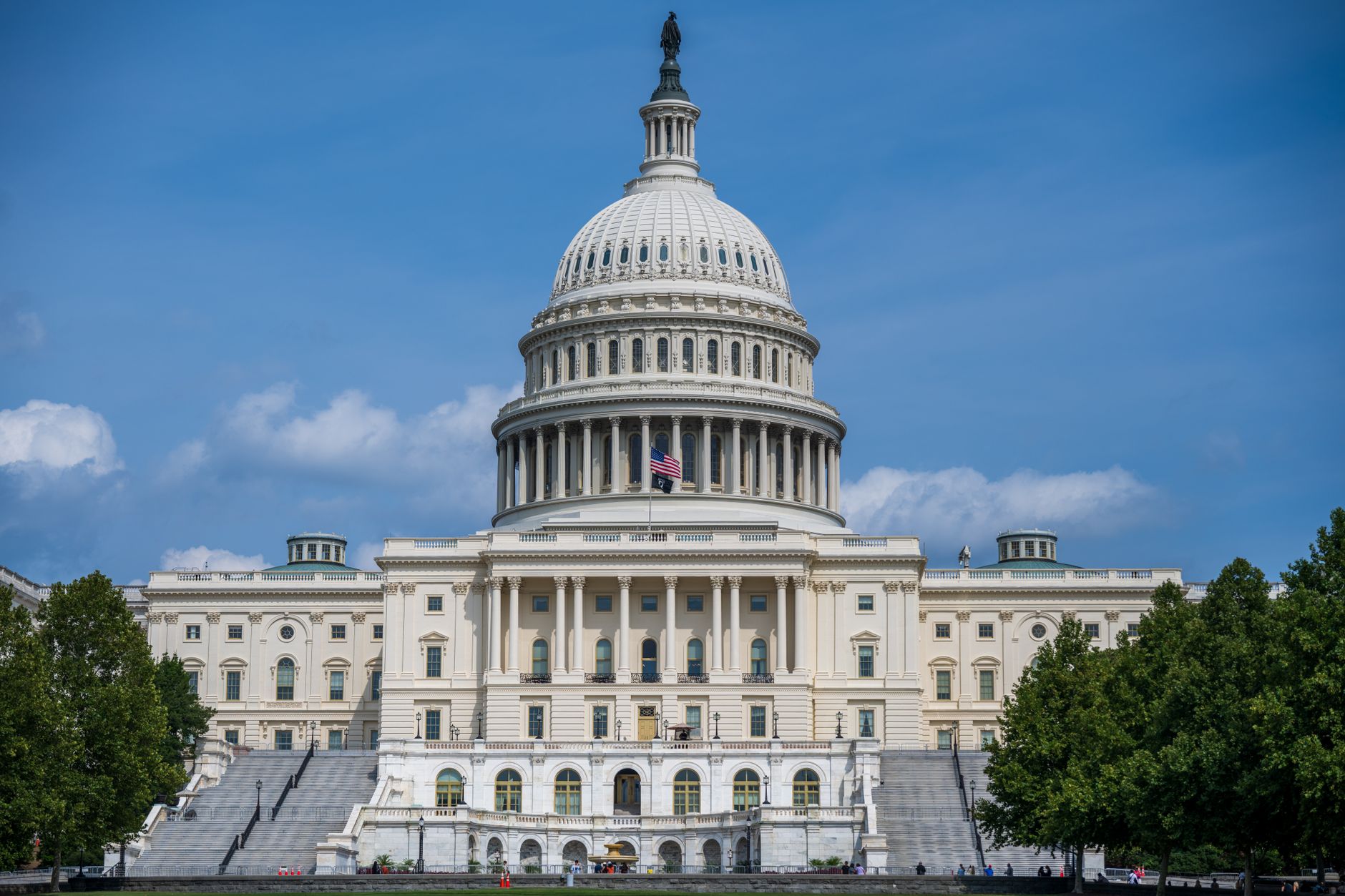
The United States has entered a new political phase. Democrats have captured both chambers of Congress in a midterm election that amounted to a direct rebuke of President Donald Trump. With the party projected to secure more than 250 seats in the House and reclaim the Senate, Washington is no longer governed by a unified Republican majority.[1][2][5]
The result does not remove Trump’s veto power, nor does it automatically end his legislative influence. It does, however, fundamentally alter the balance of power. A Democratic Congress can block much of the president’s agenda, launch investigations, subpoena officials and force the administration to defend its record in public hearings.
This is not merely a change in congressional arithmetic. It is a judgment on the direction of the country.
The economy became the ballot box
The clearest message came from voters’ economic anxiety. The AP Voter Poll found that most voters believed Trump’s policies had weakened growth and increased household costs. Consumer prices were rising at 3.7 per cent year over year, compared with 3 per cent when Trump began his second term.[10]
Those figures help explain why the administration’s economic claims failed to persuade many Americans. Approximately 70 per cent of voters said the economy favoured wealthy Americans, rather than working families. Even where headline indicators appeared resilient, the political reality was more troubling: voters judged the economy by rent, food, energy, insurance and everyday financial pressure.
Trump has long presented himself as the candidate who understands economic frustration. The midterms suggest that voters now believe his policies have intensified it. A president can point to markets, employment or investment promises, but those arguments carry little weight when families feel their purchasing power shrinking.
The election therefore represents a warning to both parties. Economic statistics may be technically encouraging while public confidence collapses. Political success depends not only on growth, but on whether citizens believe prosperity reaches them.
Republicans face an argument over responsibility
The Republican Party now faces an unavoidable internal debate. Some Republicans have blamed Trump for the losses, while others will argue that candidates, messaging and campaign organisation were equally responsible. Yet the scale of the defeat makes it difficult to separate the party’s fortunes from the president’s political identity.[1][5]
Democrats won in places where Republicans had recently appeared dominant, including districts and states once considered secure. Their victories demonstrate that Trump’s influence remains powerful, but not limitless. Candidates closely associated with him may have discovered that loyalty can mobilise a Republican base while alienating the broader electorate.
The reported decision by Speaker Mike Johnson not to seek the Republican leadership in the next Congress adds to the sense of institutional disruption. The party must now decide whether to deepen its alignment with Trump or create distance before the next presidential contest.
Accountability moves to Capitol Hill
The new Congress is likely to scrutinise senior officials with greater intensity. Defence Secretary Pete Hegseth is already facing growing impeachment pressure and responded with a defiant video as demands for action expanded. Reports that some Republicans attributed part of their losses to Hegseth indicate that the controversy has become politically costly as well as institutionally serious.[1]
The administration will also face questions over its economic messaging. Trump repeated a disputed claim that $19 trillion in investment had been secured, while Vice-President JD Vance echoed it despite a fact-check describing the figure as fictional.[3] Such statements may have been designed to project momentum, but after an election dominated by economic distrust, they risk reinforcing the impression that the White House is selling aspiration instead of evidence.
Europe watches the next move
Foreign policy will provide another test. After meeting a senior Russian envoy, Trump announced that a proposed Ukraine security arrangement might involve all of Europe. European governments were reportedly left uncertain about the deal’s scope and substance.[1]
That uncertainty matters. Any durable settlement involving Ukraine’s security cannot be presented as a slogan. European governments will demand clarity over military commitments, financing, enforcement and the role of Kyiv itself. A vague promise of shared responsibility may sound diplomatic, but it cannot substitute for a credible framework.
The beginning of a harder presidency
The midterm result does not end Trump’s presidency. It ends the assumption that his presidency can operate without sustained institutional resistance. The remaining years will be defined by confrontation between a White House that still commands the veto and a Congress empowered to investigate it.
For Democrats, victory brings responsibility as well as opportunity. They must distinguish legitimate oversight from partisan theatre and offer economic solutions rather than merely celebrate Republican failure.
For Trump, the message is sharper. The electorate has given him neither unconditional approval nor unlimited patience. America has voted for scrutiny. Washington must now decide whether that scrutiny produces accountability—or simply another chapter in the country’s escalating political war.