Commentary. The question before the U.S. Supreme Court in a climate-liability case is larger than the lawsuits brought by Boulder, Colorado, and other local governments. It is whether companies that helped create a foreseeable public danger can be held financially responsible for part of the bill.
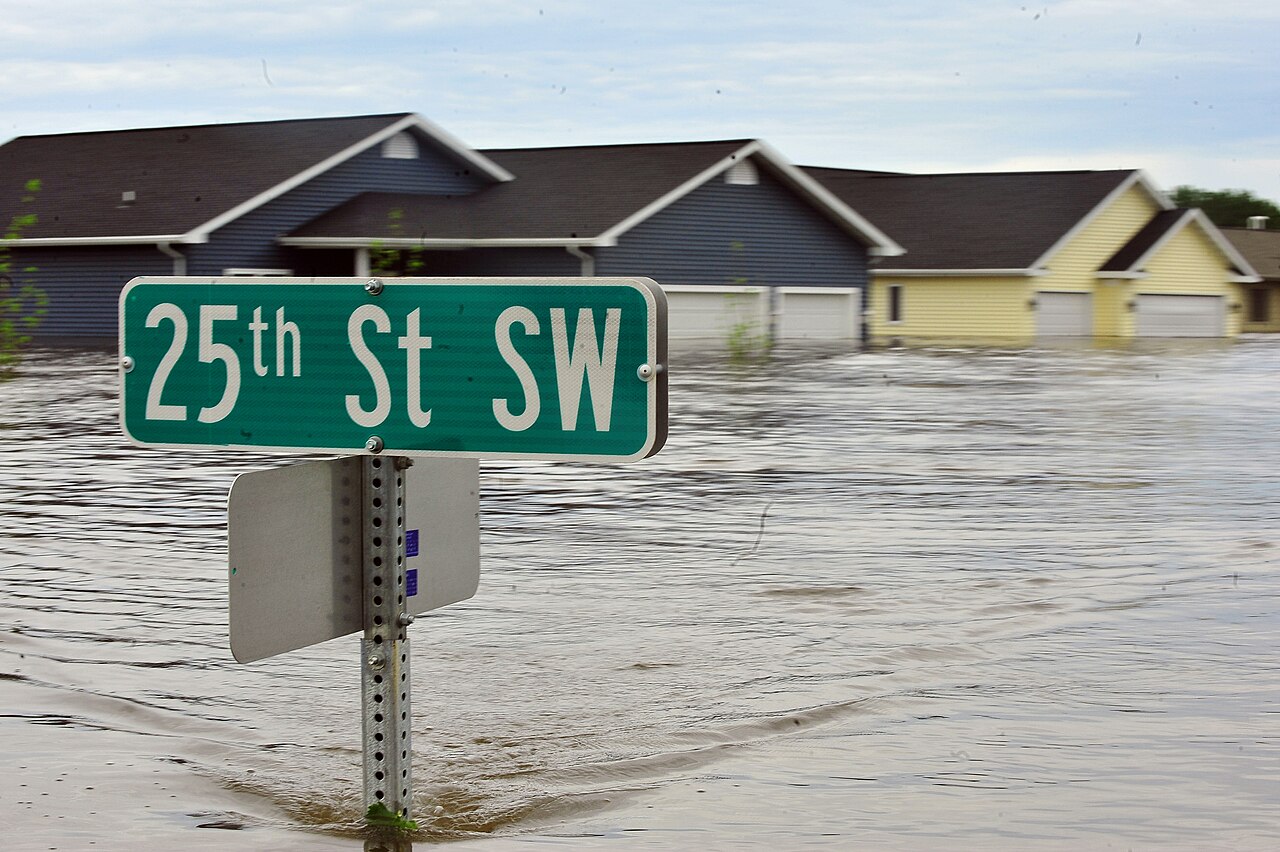
The communities suing ExxonMobil, Suncor Energy and others are seeking damages for droughts, wildfires, floods and other costs associated with global heating. During oral arguments this week, the justices appeared skeptical that federal law automatically prevents such claims from proceeding in state courts, according to reporting on the hearing. That does not decide the case. It does, however, leave open a path for local governments to test their allegations before juries.
Our view is that courts should allow that testing. A ruling that dismisses every climate claim before evidence is examined would give corporations a legal shield broader than the facts warrant. But allowing claims to proceed is not the same as declaring the defendants liable. The difference matters.
The case for accountability
Fossil fuels remain essential to modern life, and energy companies did not cause climate change alone. Governments subsidized consumption, consumers demanded mobility and industry supplied it. Yet responsibility does not disappear simply because a problem has many contributors.
The plaintiffs allege that fossil-fuel companies understood the risks of global warming while publicly minimizing or obscuring them. If a court finds that a company knowingly promoted products while misleading the public about their consequences, ordinary principles of liability should not become unavailable merely because the harm is global.
Local governments also face a practical problem. They are paying for stronger drainage systems, wildfire preparation, emergency response and water infrastructure. Those expenses fall on residents, including people who had little role in creating the risk. Litigation cannot replace climate policy, but it can ask whether some costs should be shared by companies that profited from activities linked to them.
The strongest counterarguments
The defendants’ objections deserve more than dismissal. Climate change crosses borders and accumulates over decades. Assigning a precise share of responsibility to one company, one product or one advertising campaign could be extraordinarily difficult. State-by-state lawsuits might also produce inconsistent rules, burden energy supplies and shift decisions about national climate policy from elected lawmakers to judges.
There is a further concern: damages awarded in one jurisdiction could effectively regulate conduct across the country. Companies could face enormous and unpredictable exposure even where federal agencies have permitted their products to be sold. That uncertainty might raise energy prices or discourage investment in infrastructure needed for a lower-carbon economy.
These are arguments for careful standards, not automatic immunity. Courts can demand evidence linking particular conduct to particular injuries. They can reject claims that are speculative, duplicative or pre-empted by federal law. Legislatures can also establish clearer rules for adaptation funding and corporate disclosure.
What the court should do
The justices should preserve the right to present evidence while refusing to prejudge the outcome. If the plaintiffs cannot prove deception, causation or legally recognizable harm, the claims should fail. If they can, the companies should not escape scrutiny because climate change is complicated.
This approach respects both sides of the dispute. It recognizes that courts are poorly equipped to design energy policy, while also recognizing that corporations cannot turn complexity into a permanent defense against accountability. The law routinely handles cases involving multiple causes, long time frames and uncertain damages. Climate cases may be unusually difficult, but difficulty is not a jurisdictional principle.
The broader lesson is political as much as legal. Governments should set transparent emissions rules, price climate risks and fund adaptation rather than waiting for lawsuits to fill the gap. Companies should disclose what they knew, what they said and how their conduct affected public risk. Citizens deserve both effective policy and a meaningful remedy when institutions fail.
The Supreme Court need not solve climate change in this case. It should simply ensure that a credible claim can be heard on its merits. Accountability begins with that modest, essential promise.