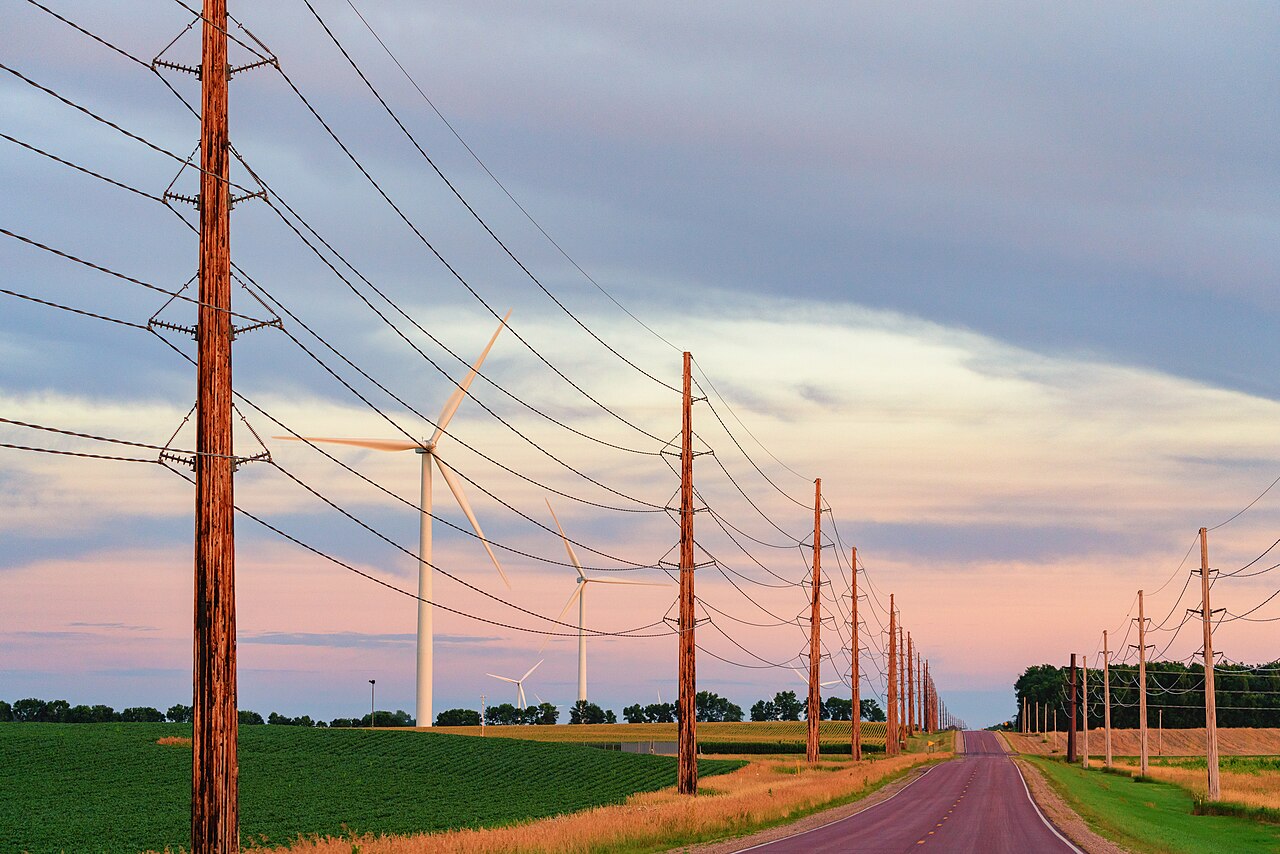
Commentary. The climate movement is entering a less comfortable phase. For years, the central argument was that governments should stop approving fossil-fuel projects and accelerate renewable energy. That principle remains sound. But as the world approaches the next round of climate negotiations, the harder question is no longer whether emissions must fall. It is how quickly societies can build the infrastructure required to make that happen.
That question is at the heart of the United States’ bipartisan permitting-reform debate. The proposed legislation has divided environmental groups and clean-energy advocates, with some warning that a faster approval process could revive pipelines and other fossil-fuel infrastructure. Others argue that a system capable of blocking or delaying nearly every major project is also delaying transmission lines, wind farms, solar installations and storage facilities. The disagreement is not a minor tactical dispute. It is a test of whether climate politics can distinguish opposition to fossil fuels from opposition to construction itself.
Our view is that permitting reform is necessary—but only if its success is measured by emissions outcomes rather than by the number of projects approved.
The case for moving faster
The clean-energy transition cannot happen through targets alone. It requires power lines connecting renewable regions to cities, factories for batteries and clean technologies, upgraded grids, public-transit systems and housing near employment. Each project faces overlapping reviews, fragmented jurisdiction and years of litigation risk. That creates a structural advantage for incumbent energy systems: even an aging gas plant can remain in service while cleaner alternatives wait for permission.
Environmental advocates who support reform are right to say that delay carries a climate cost. A transmission line postponed for five years is not a neutral outcome if it forces a region to burn more coal or gas. Nor is it equitable when communities with fewer resources bear the pollution associated with unreliable infrastructure and higher energy prices.
The European Union’s preparations for COP31 reflect the same broader challenge. Its environment ministers have identified climate finance and international cooperation as central priorities, while policymakers confront record heat and escalating climate-related disasters. Governments cannot credibly promise faster decarbonization while treating the physical work of building as an afterthought. The European Council’s COP31 conclusions place those negotiations in a context where implementation matters as much as ambition.
Why skepticism is justified
Yet the critics are not defending bureaucracy for its own sake. Permitting rules exist because infrastructure can displace communities, damage ecosystems and lock in emissions for decades. A compressed review process can make those harms less visible, especially for Indigenous communities and lower-income neighborhoods that have historically carried a disproportionate share of industrial pollution.
There is also a legitimate concern that broad reform could be presented as climate policy while functioning mainly as an energy-industry wish list. Reporting on the current Senate debate shows a sharp split among green organizations over whether restricting fossil-fuel infrastructure is an effective decarbonization strategy. That disagreement deserves more than slogans. A gas terminal or pipeline approved today may be defended as a bridge, but bridges can become permanent when investors and politicians find it convenient to extend their life.
California offers a warning about climate credibility. Recent changes to its carbon market reportedly granted major companies billions of dollars in additional free emissions permits and reduced auction revenue available for environmental programs. Critics say the changes could weaken the state’s path toward carbon neutrality, while supporters argue that industrial realities and energy reliability require flexibility. Whatever one concludes about the policy, the episode illustrates the danger of calling accommodation a transition without demanding measurable reductions in pollution. The California debate is a reminder that climate policy is judged by results, not branding.
A better bargain
The answer is neither an unconditional green light nor an automatic veto. Reform should establish firm deadlines for agencies, but preserve meaningful environmental review and community participation. It should prioritize projects that reduce emissions, expand grid capacity or improve resilience—and require developers to disclose lifecycle emissions, alternatives and decommissioning plans.
Most importantly, fossil-fuel projects should face a separate and higher evidentiary bar. If proponents claim a project is necessary for reliability or a transition, they should demonstrate why cleaner alternatives cannot meet the same need, how demand was calculated and when the asset will retire. A project that depends on indefinite operation should not receive a climate exemption merely because it promises jobs or near-term energy supply.
This approach will disappoint both absolutists and industry lobbyists. That is a virtue. Climate policy should not be a contest in which the loudest faction defines purity and the best-funded faction defines practicality. It should be a public test of whether each decision moves emissions down while protecting people who have the least power over it.
Our newsroom supports permitting reform because delay is not neutrality. But reform must be designed to build a clean economy, not to make fossil infrastructure easier to approve. The standard should be simple: faster decisions, stronger safeguards and no climate claims without enforceable climate results.