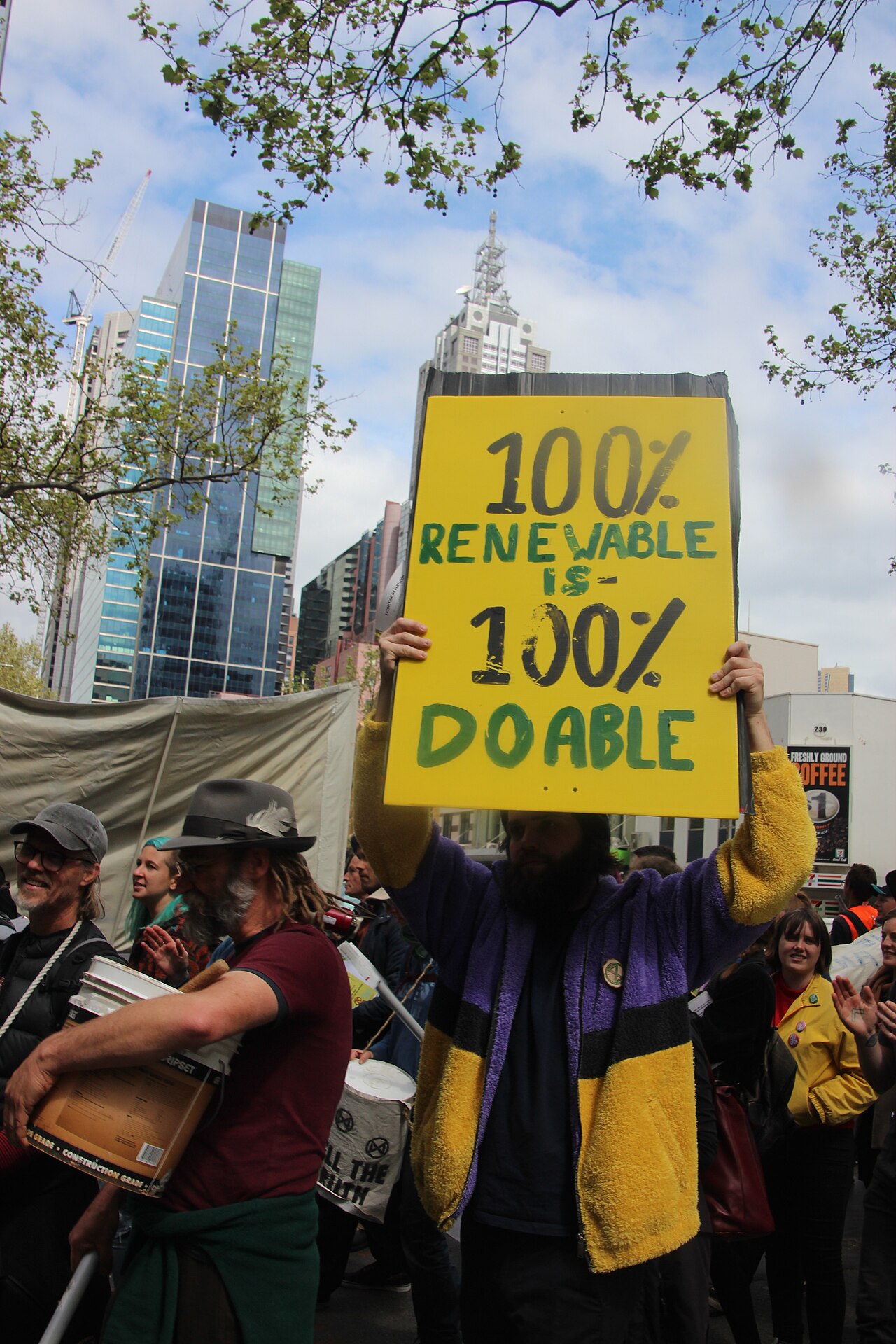
Commentary. The latest climate warning is not merely another grim statistic. It is a judgment on the politics of delay. The United Nations says current national commitments would put the world on a path toward roughly 2.6°C of warming this century—far beyond the Paris Agreement’s goals.[1]
Our view is straightforward: governments should stop treating climate pledges as evidence of progress when the policies behind them do not add up. Announcements matter, but only when they are tied to enforceable measures, transparent budgets and annual checks. Otherwise, they become a substitute for action.
The new Emissions Gap assessment reportedly finds that more than 100 countries have submitted fresh climate plans, yet those plans still fall short of the cuts needed to meet the Paris limits.[2] The gap is not principally a failure of scientific understanding. It is a failure to reconcile political promises with the pace of infrastructure, investment and fossil-fuel decline required.
The case for urgency
There is a legitimate reason for insisting on faster action. Every year of delay locks in power plants, buildings, vehicles and industrial systems that can operate for decades. It also makes the eventual transition more disruptive and expensive. The UN has called for a vast expansion of renewable energy over the next five years, while the report’s lowest-overshoot pathway requires steep emissions reductions beginning now.[1]
That urgency is not an argument for abandoning democratic scrutiny. It is an argument for making climate policy more concrete. Governments should publish sector-by-sector plans, identify who pays, disclose which projects will be retired and report openly when targets are missed. Climate promises should be treated like public financial commitments: testable, comparable and subject to consequences.
The counterargument deserves an answer
Critics are right to warn that rapid decarbonisation can impose real costs. Higher energy prices hurt lower-income households first. Regions dependent on coal, oil or gas cannot be expected to accept economic upheaval on the strength of moral appeals. Developing countries also point out that wealthy economies built prosperity through decades of high emissions and still consume a disproportionate share of resources.
Those objections are not excuses for inaction; they are conditions for legitimate action. A transition that ignores affordability will produce political backlash, and a transition that ignores historical responsibility will deepen distrust between richer and poorer nations. Climate finance, worker retraining, public transport and targeted household support should therefore be treated as core climate policy, not charitable add-ons.
There is also a reasonable argument that technological progress may reduce the cost of meeting climate goals. Renewables, storage, electric vehicles and cleaner industrial processes are advancing, and governments should avoid prescribing a single technology where several can deliver lower emissions. But optimism about innovation cannot justify postponing measures that are available today. Future breakthroughs are not a substitute for present regulation.
From pledges to proof
The coming climate negotiations will again test whether governments can convert shared alarm into shared obligations. European lawmakers have called for faster fossil-fuel phaseout, increased climate finance and stronger adaptation and loss-and-damage commitments ahead of COP31.[2] Those demands will meet resistance from countries worried about growth, sovereignty and energy security.
The answer should not be another diplomatic victory measured in carefully worded communiqués. It should be a compact built around proof: cleaner power added, methane reduced, coal capacity retired, vulnerable communities protected and money delivered on schedule. Countries that exceed their targets should gain economic and diplomatic advantages; those that repeatedly miss them should face scrutiny rather than applause.
Our newsroom’s position is not that every climate policy is wise, or that every proposed deadline is realistic. It is that the burden of proof has shifted. Governments must now demonstrate how their promises work in practice—and how the costs will be shared. The world may still limit the damage, but only if climate leadership becomes less about declaring ambition and more about accepting accountability.