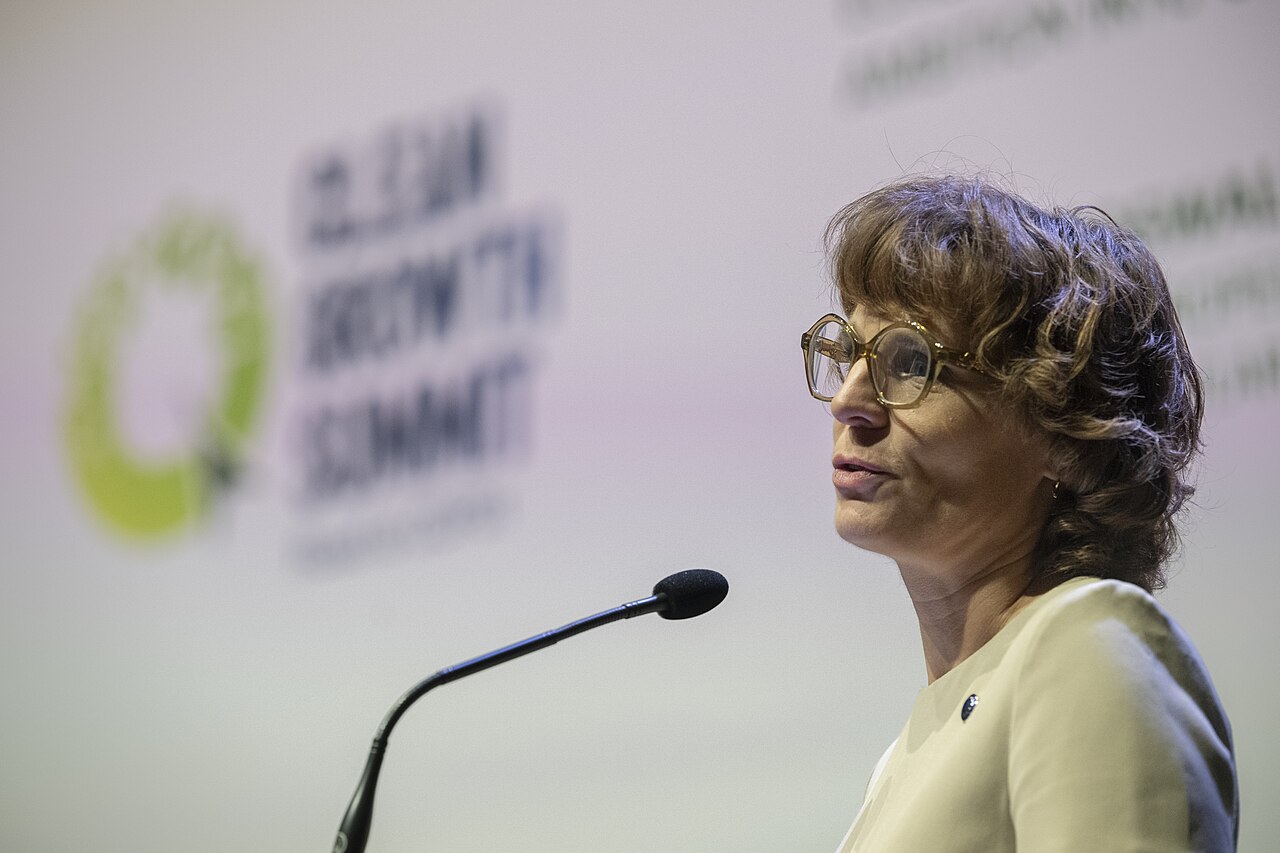
Nearly 200 countries are meeting in Antalya, Türkiye, for COP31 amid a widening gap between the urgency of climate science and the pace of political action. The summit comes as projections indicate that the world is set to overshoot the Paris Agreement’s 1.5°C warming threshold, while the United States is absent from the official negotiations after withdrawing from the agreement earlier this year. NBC News
The central issue is no longer whether governments should set long-term emissions goals. It is whether existing commitments can be implemented despite geopolitical tension, high financing costs, energy-security concerns and a fractured relationship between wealthy and developing countries.
A summit shaped by absence
The U.S. absence weakens the diplomatic weight of the talks. Washington is the world’s second-largest current emitter and historically the largest contributor to cumulative emissions, making its participation important both symbolically and practically. Its decision not to send an official delegation leaves other major economies to demonstrate that climate cooperation can survive without American leadership. NBC News
That does not mean the United States disappears from the climate economy. American companies, states and investors remain active in clean technology, but the absence of federal negotiators makes it harder for other governments to treat U.S. pledges as durable. It may also encourage countries to prioritize national industrial policy over internationally coordinated emissions reductions.
China, the European Union and other major economies therefore face a dual test: maintain pressure for stronger action while avoiding a diplomatic bargain that appears to shift economic costs onto their own industries and consumers.
Finance is the real fault line
Developing countries are pressing for faster access to climate finance for clean energy, adaptation and a “just transition.” The demand reflects a practical constraint: countries facing floods, heat, drought and rising infrastructure costs often have less fiscal space to borrow and invest. UN reporting from the opening of the summit identifies finance as one of the main sticking points. UN News
Wealthier countries argue that public budgets cannot meet the full scale of global needs and that private capital must play a larger role. Developing countries counter that private finance often flows toward profitable mitigation projects, such as renewable power, while adaptation and climate-resilient infrastructure generate weaker financial returns. Without grants, guarantees or cheaper lending, they fear that climate policy will deepen debt rather than reduce vulnerability.
“Securing adequate finance to fund this climate action remains a sticking point,” the UN reported as delegates arrived in Antalya.
This dispute is also about trust. Poorer countries have long viewed previous funding promises as slow, opaque or insufficient. If COP31 produces another broad pledge without clear delivery mechanisms, confidence in the wider climate process will deteriorate.
Implementation over new promises
Singapore’s environment minister has argued that negotiators should focus on implementing measures already agreed rather than seeking new emissions targets. That position reflects a growing view among governments that the climate regime does not primarily lack goals; it lacks execution, financing and accountability. Reuters, via U.S. News
Implementation, however, is politically difficult. Faster coal and gas replacement can threaten jobs and raise electricity prices if grids, storage and alternative supplies are not ready. Energy-security concerns have become sharper amid wider geopolitical conflict, and negotiators must balance decarbonization with the immediate need for reliable energy. AFP reported that tensions over geopolitics, finance and fossil fuels are already tempering expectations for a major breakthrough. AFP
For fossil-fuel-producing countries, a rapid phaseout can look like an economic threat designed by richer states that industrialized through decades of high emissions. For climate-vulnerable countries, delaying the transition carries a more immediate cost: damaged infrastructure, food insecurity and lost development opportunities.
What comes next
The most meaningful outcome may not be a dramatic new target. It could be a narrower package that improves access to finance, expands adaptation support and establishes clearer systems for tracking delivery. Australia is reportedly seeking an early political agreement, a strategy intended to prevent negotiations from becoming trapped in last-minute bargaining. UN News
Success will depend on whether governments can separate areas of practical cooperation from disputes over historical responsibility. Agreements on grids, storage, early-warning systems, resilient agriculture and disaster finance could advance even if consensus on fossil fuels remains elusive.
COP31 cannot by itself reverse the emissions trajectory. But it can clarify whether the Paris system remains capable of translating promises into investment. The decisive measure will be what governments finance, build and regulate after delegates leave Türkiye—not the ambition of the final communiqué.