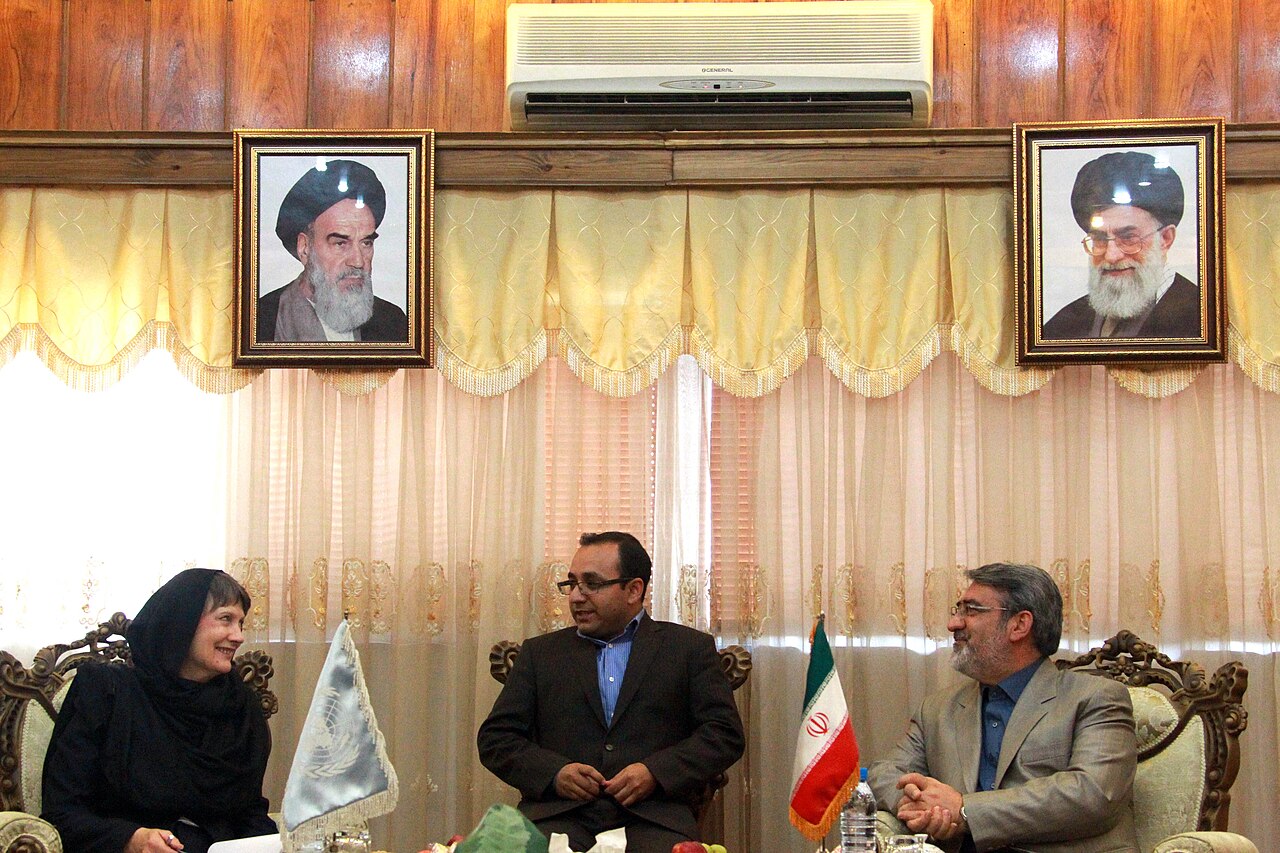
High-level delegations from Saudi Arabia, Pakistan and Turkey travelled to Tehran this week in an effort to prevent renewed fighting in a war that has already expanded beyond the original Iran front. Their meeting reflects a central contradiction in the current crisis: regional governments have strong incentives to negotiate, but the conflict’s geography, alliances and domestic politics continue to pull them toward escalation.
The delegations discussed regional peace and security and agreed to continue cooperation, according to The Associated Press. The talks came as Yemen became a more active theatre, with Iran-backed Houthi forces increasingly attacking Saudi Arabia, which supports Yemen’s internationally recognised government.
Why the conflict is spreading
The most immediate driver is the way local conflicts have become linked to the wider confrontation between Iran, the United States and their partners. The Houthis’ involvement gives Tehran-aligned forces a means to pressure Saudi Arabia while imposing new costs on a country that has tried to reduce regional tensions and protect its economic transformation plans.
That strategy also carries risks for Iran. Attacks that threaten Saudi territory could harden Riyadh’s alignment with Washington and invite a broader military response. The Tehran meeting therefore serves two purposes: it is a diplomatic channel for de-escalation, but also evidence that neighbouring states are preparing for a conflict that may not remain contained.
Pakistan and Turkey have their own reasons to participate. Both seek influence in a region where the security order is being reshaped, while neither wants an uncontrolled war to disrupt trade, migration, energy supplies or relations with competing blocs. Their presence gives the initiative a broader regional character, although it does not guarantee that the principal combatants will accept outside mediation.
“The four countries agreed Monday to continue talks on expanding cooperation among them, particularly about regional peace and security,” the Associated Press reported.
The economic pressure point
The conflict’s most consequential international risk is energy. The Strait of Hormuz is a key route for global fuel shipments, and reporting reviewed by Le Monde describes major disruption to Middle Eastern fuel supplies as the war continues. It also reported that energy-price inflation rose to 18.8% in September from 14.3% the previous month.
Those figures matter because energy shocks spread quickly through transport, food production and household budgets. Higher fuel prices can force central banks to keep interest rates elevated even as growth weakens. S&P Global’s October outlook said commodity pressures were pushing inflation forecasts higher and that further rate increases from the Federal Reserve, European Central Bank and Bank of Japan were likely before the end of the year.
For governments in importing countries, the policy dilemma is severe. Subsidies can shield households but strain public finances; tighter monetary policy can support currencies and contain inflation but weaken investment and employment. For Gulf producers, meanwhile, high prices may increase revenues while exposing infrastructure and shipping lanes to greater security risks.
What the diplomacy can—and cannot—do
The Tehran talks may reduce miscalculation if they establish reliable communication among states with influence over armed groups. They could also create limited arrangements around shipping, border attacks or the Yemen front without resolving the deeper dispute over Iran’s regional role and its confrontation with the United States and Israel.
But the obstacles are substantial. The war involves governments, proxies and domestic constituencies with different objectives. Saudi Arabia may want security guarantees; Iran may seek relief from military and economic pressure; the Houthis may calculate that continued attacks strengthen their negotiating position. A regional statement can acknowledge shared interests without controlling every actor on the battlefield.
Israel’s political calendar adds another complication. Euronews reported that Prime Minister Benjamin Netanyahu had again vowed to eliminate what he called Iran’s nuclear threat, while Israeli elections approached. Such rhetoric narrows room for compromise and makes any concession vulnerable to accusations of weakness.
What comes next
The immediate test will be whether the diplomatic initiative produces verifiable restraint rather than another round of statements. A reduction in Houthi attacks on Saudi Arabia, protection for commercial shipping and a sustained channel between Tehran and its neighbours would indicate progress. Renewed strikes, especially against energy infrastructure, would demonstrate that regional diplomacy remains subordinate to battlefield calculations.
The wider outcome will depend on whether the United States, Iran and their regional partners can separate limited security arrangements from the larger contest over power. Without that separation, each local incident may continue to trigger responses across several fronts. The Tehran meeting is therefore best understood not as a peace breakthrough, but as an attempt to build a brake into a war that is acquiring its own momentum.
Sources: Associated Press; Le Monde; S&P Global; Euronews.