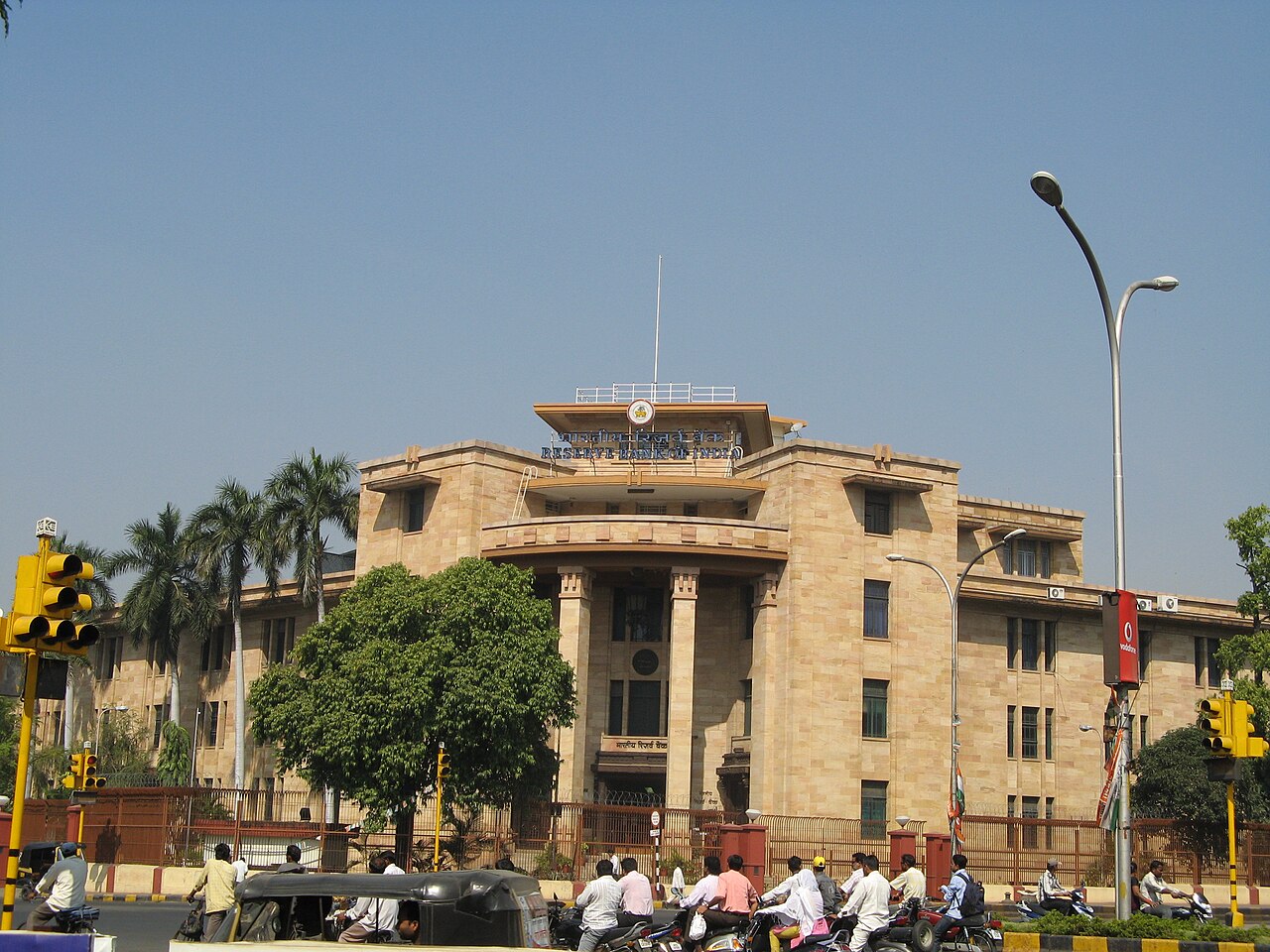
Central banks are entering a more difficult phase of the inflation fight just as energy shocks, stubborn price pressures and political pressure collide. The Federal Reserve raised its benchmark rate by a quarter point for the first time in more than three years, while the Bank of England held steady but warned rates may need to rise again if higher energy costs feed more persistent inflation, and the Bank of Japan lifted borrowing costs to their highest level since 1995[1][2][3].
The shift reflects a simple problem with complicated causes: inflation has cooled from its peak, but it has not fully retreated, and the latest energy disruption has given central bankers little room to wait. Reuters reported that oil prices jumped more than 6% after a spike in attacks on shipping, while markets also have been watching U.S. inflation data, Treasury yields above 5% and expectations that the Fed may not be done tightening[4][5].
Why central banks are moving again
For policymakers, the case for tighter policy rests on the view that inflation is becoming more durable. In the United States, the Fed’s move came alongside projections that officials still see another hike by the end of 2026, a sign that policymakers are less worried about over-tightening than they are about letting inflation settle above target[3]. In Britain, the Bank of England kept rates unchanged by a 6-3 vote, but said rates may need to rise if the energy shock produces more persistent inflationary pressure[3].
Japan’s move is arguably the most significant structurally. After decades of ultra-low rates, the Bank of Japan’s quarter-point increase to 1.25% signals that even the last major outlier in global monetary policy is being pulled into the same anti-inflation regime[2]. That matters because Japanese borrowing costs influence everything from carry trades to sovereign debt markets and global capital flows.
What is driving the pressure
The current tightening cycle is being driven by a mix of supply and demand forces. Energy markets remain the most obvious trigger: Reuters reported that oil surged above $100 a barrel after the biggest spike in attacks on shipping since the Iran war began, a reminder that geopolitical risk can quickly feed into transport costs, consumer prices and inflation expectations[4].
But energy is not the only issue. A TIME report from New York Climate Week noted that corporate leaders were discussing not just climate policy but also AI, geopolitics and data-center power demand, all of which are colliding in the same energy system[6]. That matters because higher electricity demand from digital infrastructure is adding to the strain on grids already facing climate-related disruptions and political backlash over utility costs[6].
Market consequences are already visible
Investors are responding as if rates may stay higher for longer. Reuters noted that the 10-year U.S. Treasury yield recently breached 5%, while the dollar remained firm even after Japan’s rate increase[5][7]. Higher yields tend to tighten financial conditions on their own, raising borrowing costs for households, companies and governments.
That creates a second-order problem for policymakers: rate hikes may cool inflation, but they can also slow investment and worsen debt-service burdens. The Bank of England’s decision to slow balance-sheet reduction suggests officials are trying to limit stress in gilt markets even as they keep inflation-fighting credibility intact[3].
What comes next
The next phase will hinge on whether energy prices stabilize and whether wage and services inflation keep easing. If geopolitical disruptions fade, central banks may be able to pause after one more hike or two. If they do not, the present round of tightening could deepen into a longer global squeeze, especially because rate increases are now arriving in a more fragile growth environment than the one that followed the pandemic rebound[3][5].
For now, the consensus among policymakers is that doing too little is the bigger risk. Critics argue that central banks are leaning too hard on interest rates to solve a supply-side energy shock. Supporters say the lesson of the past few years is that waiting too long allows inflation to become embedded, forcing even harsher measures later. The outcome will shape not only borrowing costs, but also the pace of global growth, the resilience of markets and the political debate over who pays for the energy transition[6][3].
- Sources: Reuters, TIME, Kiplinger, T. Rowe Price, TMGM.