Commentary. The decision by President Donald Trump’s administration to roll back Biden-era limits on methane emissions from oil and gas production is being presented as a choice between climate ambition and affordable, reliable energy. That is the wrong choice. The United States can pursue both—but only if it treats methane control as an efficiency and accountability policy, not merely as a symbol of climate politics.
The administration says the restrictions threaten energy availability and raise costs. That argument deserves to be taken seriously. Producers operate in a volatile market, consumers remain sensitive to fuel prices, and regulators should not impose overlapping requirements that deliver little measurable benefit. Europe is also considering delays to methane-import rules amid energy-security concerns, evidence that this is not only an American political dispute.
Yet the case for dismantling the rules is weaker than the rhetoric suggests. Methane is the primary component of natural gas, and a leak is not just an environmental externality: it is saleable product escaping into the atmosphere. Finding and repairing large leaks can therefore reduce waste while protecting the climate. The administration’s planned elimination of the Environmental Protection Agency’s “Super Emitter Program,” which requires investigations of major releases, moves in the opposite direction.
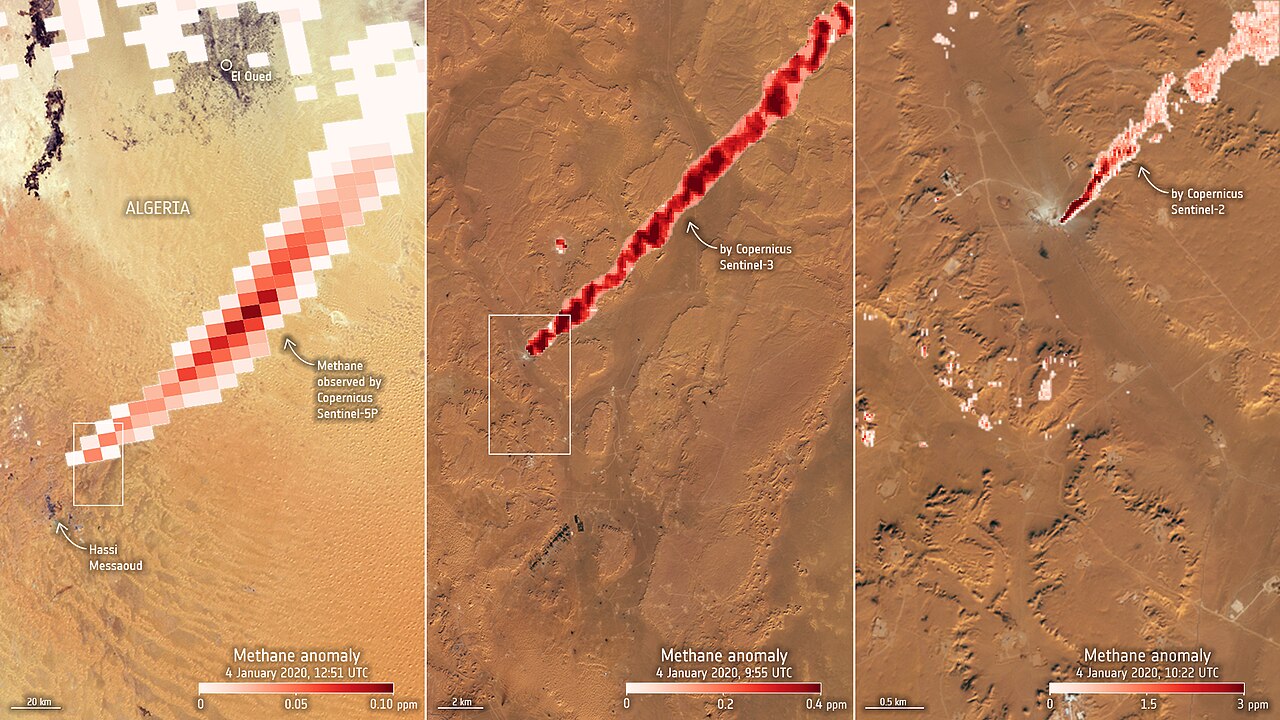
Recent satellite technology has made that retreat harder to justify. A large methane plume was identified near the Texas site where Trump held a rally shortly before he announced the policy change, illustrating how quickly emissions once hidden from public view can now be detected. Detection is not the same as proof of negligence, and satellite data must be verified. But a modern regulatory system should use reliable monitoring to target the worst releases rather than pretend they do not exist.
The strongest argument for restraint
Critics of methane regulation are right about one thing: poorly designed rules can impose disproportionate costs. Smaller operators may lack the equipment and staff needed to comply with complex measurement requirements. Fixed penalties can also encourage companies to abandon marginal wells rather than repair them, potentially creating a larger cleanup problem. And if domestic production becomes less competitive, imports may fill the gap without lowering global emissions.
Those concerns call for smarter enforcement, not regulatory amnesia. Standards can distinguish between routine maintenance issues and repeated, high-volume releases. Regulators can phase in requirements for small operators, provide technical assistance, and focus inspections on facilities with the largest measured emissions. Public reporting would allow investors, communities and buyers to assess performance without relying on political claims.
Why rollback is the wrong signal
Abandoning methane safeguards also creates uncertainty for companies that have invested in leak-detection equipment and lower-emission operations. It rewards firms that delay improvements and punishes those that planned around stable rules. The resulting policy whiplash is itself an economic cost—especially when producers sell into markets, including Europe, that increasingly demand information about the emissions intensity of imported gas.
There is a legitimate debate over how quickly governments should tighten standards and how much public money should support compliance. There is no comparable justification for weakening the basic obligation to identify and repair major leaks. Energy security depends on dependable supply; it does not depend on wasting fuel or withholding information about pollution.
Our newsroom’s view is straightforward: methane policy should be judged by outcomes, not partisan branding. Keep the monitoring, narrow the rules where evidence shows they are excessive, protect smaller operators from unmanageable costs, and impose meaningful consequences on repeat super-emitters. That approach would acknowledge the economic case for caution while rejecting the false premise that climate responsibility requires sacrificing reliability.
Governments often describe regulation as an obstacle to growth. In this case, the more practical question is whether they are willing to pay companies to lose product into the air and communities to live with the consequences. A policy that finds waste and stops it is not an attack on energy. It is a basic condition of a serious energy system.