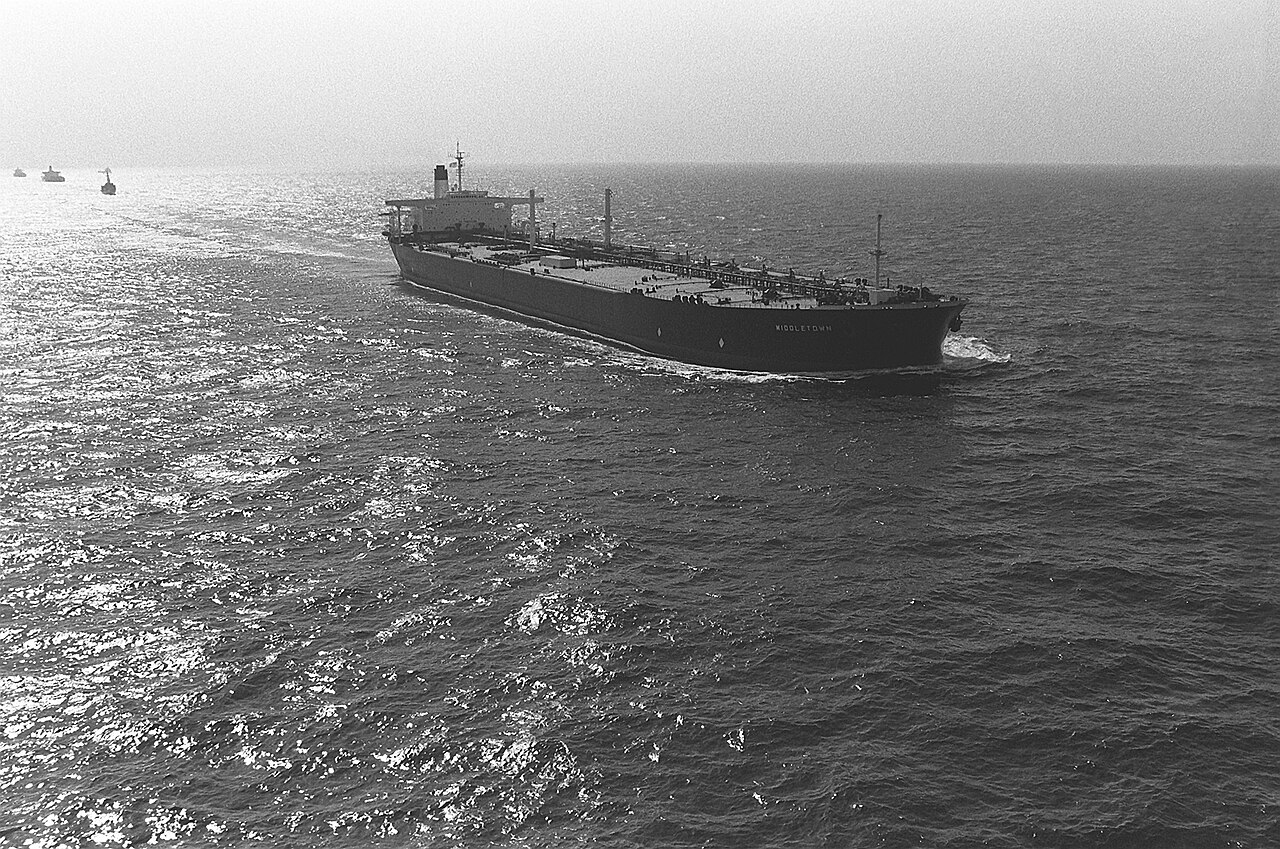
The sharp fall in oil prices is being read as a sign that the Gulf crisis may be easing. Brent crude has dropped about 20% since late October to roughly $94 a barrel, while Reuters reports that expectations of negotiations involving Iran have helped push prices lower. Yet the market’s relief is provisional: tankers remain vulnerable, infrastructure has been attacked and the region is operating in what analysts describe as a “no-war, no-peace” condition.
That tension is the central fact behind the oil story. Prices are responding not only to barrels available today, but also to expectations about diplomacy, shipping routes and the risk of a sudden supply interruption. A ceasefire or durable agreement could release constrained supply and reduce insurance and freight costs. A breakdown in talks, by contrast, could rapidly reverse the decline.
Why prices have fallen
Several forces are pushing in the same direction. Softer demand in the United States has weakened the outlook for consumption, while OPEC+ production rose in October, led by higher Saudi output. Reuters also reports that flows through the Strait of Hormuz are expected to recover sharply, a development that could leave the global market temporarily oversupplied.
The wider economic backdrop is hardly buoyant. The OECD projects global gross domestic product growth of 2.9% in 2026 and 3.0% in 2027, below the 3.3% pace recorded previously. Slower growth reduces the market’s tolerance for expensive fuel and makes traders more sensitive to evidence that demand is weakening.
For importing economies, cheaper crude offers immediate relief. Lower transport and energy costs can slow inflation, support household purchasing power and give central banks more room to reduce interest rates. Governments facing high living costs can also benefit politically, particularly if fuel prices fall ahead of elections.
The risk hidden beneath the retreat
Falling prices do not mean that the physical system is secure. Reuters has reported continuing attacks on tankers and energy infrastructure, as well as oil spills and elevated shipping costs. Even if production remains available, insurers, shipowners and traders may demand a risk premium for moving it. That premium can keep fuel markets tighter than headline crude prices suggest.
The Strait of Hormuz is especially important because disruptions there would affect a crucial route for global oil and gas. Markets therefore price probability rather than certainty: a relatively small chance of renewed attacks can influence contracts, inventories and investment decisions. The result is volatility that complicates planning for producers and consumers alike.
“No war, no peace” captures the market’s dilemma: de-escalation can lower prices without removing the conditions that could trigger another shock.
Producers face competing incentives. Saudi Arabia and other OPEC+ members may welcome stronger output if they can defend market share, but additional supply can accelerate price declines. Lower revenue could then constrain public spending and investment in capacity. OPEC+ must balance the immediate benefit of selling more oil against the longer-term cost of weakening prices.
Climate policy’s uncomfortable moment
The price decline also intersects with the global energy transition. Cheaper oil can reduce the political urgency of electrification and make petrol-powered transport more attractive, especially in economies where consumers are already resisting higher costs. European governments face a particularly difficult trade-off as they try to maintain climate commitments while responding to economic pressure and voter fatigue.
Still, a temporary fall in crude prices does not erase the structural case for reducing fossil-fuel dependence. The World Meteorological Organization’s 2026 Greenhouse Gas Bulletin says atmospheric carbon dioxide and other major greenhouse gases reached unprecedented levels in 2025, locking in additional long-term warming. The UN climate process, meanwhile, reports progress in implementation across voluntary climate-action plans, with 84% showing progress after one year.
These findings support both sides of the policy argument. Advocates of faster transition say recurring geopolitical shocks demonstrate the vulnerability of fossil-fuel systems and strengthen the case for domestic renewable power. Critics counter that rapid electrification can impose near-term costs on households and industry, particularly when grids, storage and supply chains are not ready.
What comes next
The next phase will depend on three indicators: whether Iran-related diplomacy produces verifiable de-escalation, whether shipping through the Gulf normalizes, and whether OPEC+ continues increasing output. A sustained diplomatic settlement could push prices lower and ease inflation. Continued attacks would expose how quickly today’s surplus could become a shortage.
For policymakers, the lesson is not that oil has become predictable, but that price signals remain unreliable during geopolitical stress. Importers may use the current period of relative weakness to rebuild reserves and accelerate alternatives. Producers will seek to protect revenue and influence. Investors, meanwhile, will have to judge whether the market is entering a durable oversupply or merely pausing before another shock.
Sources
Reuters: Energy Watch — “No war, no peace”
Reuters: Global markets themes
OECD Economic Outlook, September 2026