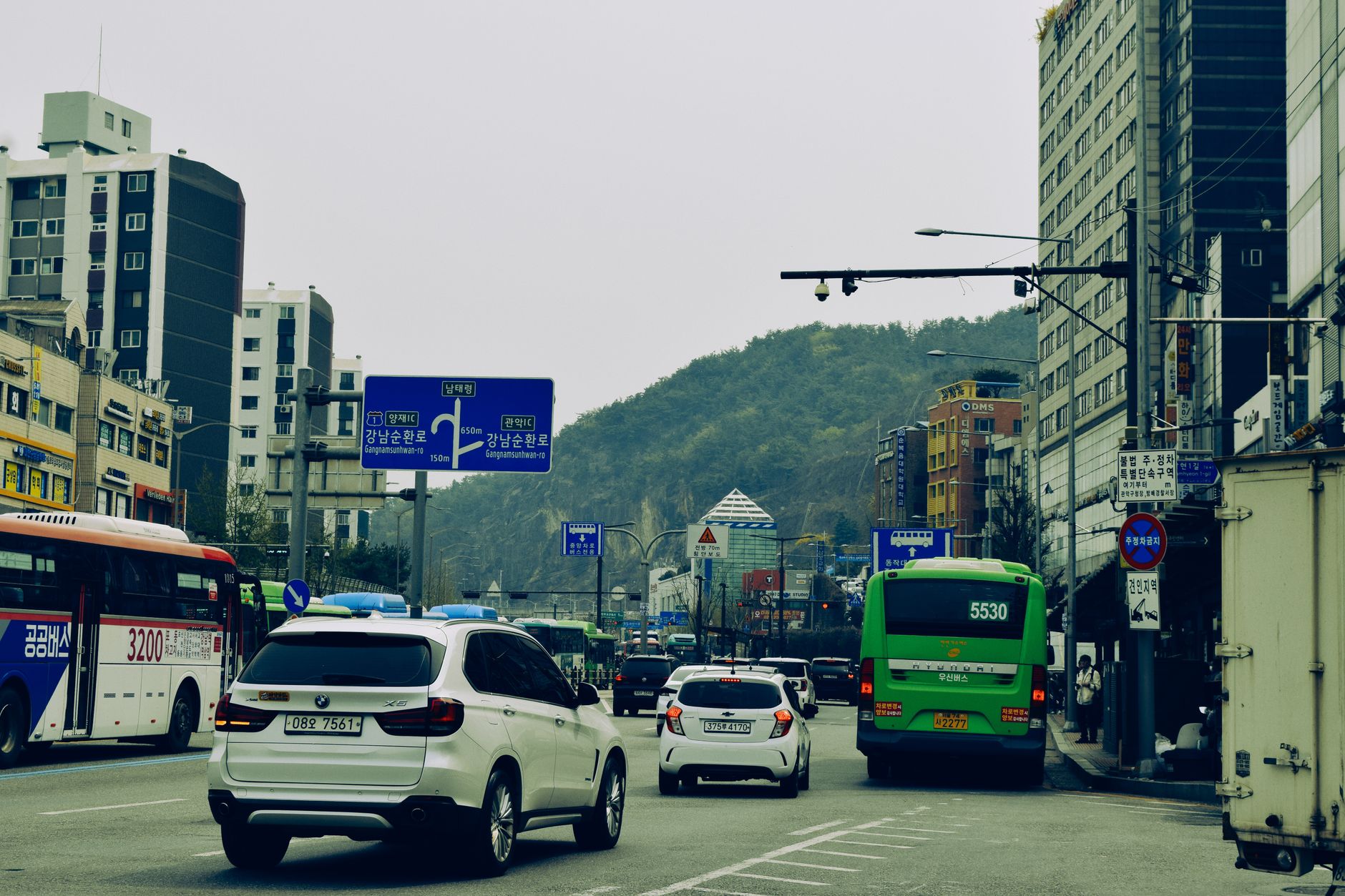
A Government Measured by Daily Life
President Lee Jae Myung’s 500th day in office arrives at a moment of political tension and social uncertainty. Addressing senior aides, Lee pledged to pursue improved livelihoods, practical reform and “inclusive integration,” while promising faster economic relief despite strong headline indicators.[1][3]
That message reflects a familiar challenge in South Korean politics: national performance may look impressive from the outside while households experience pressure through housing costs, employment insecurity and uneven regional development. Economic statistics can strengthen a government’s argument, but they do not automatically produce public confidence. Citizens judge an administration through wages, bills, safety and the quality of public services.
Lee’s emphasis on practical results therefore carries both promise and risk. It offers a welcome escape from grand political theatre, yet it also creates a demanding standard. A government that promises relief must show where it will arrive, who will benefit and how quickly ordinary people can feel the difference.
Crime, Institutions and a Divided Ruling Bloc
The confirmation hearing for Kim Ji-yong, nominated to lead the newly established Serious Crime Investigation Agency, revealed how difficult institutional reform remains. The hearing lasted nearly 12 hours and became a confrontation over Kim’s past positions, political neutrality and alleged links to the former Yoon administration. The report was adopted despite opposition from the Rebuilding Korea Party and the People Power Party.[1][3][6]
The dispute matters because the agency is expected to handle major investigations after prosecutors lost direct-investigation powers. Its inaugural leadership will help define whether the new structure is seen as an independent instrument of justice or another arena for political struggle.[4]
President Lee subsequently approved Kim’s appointment, filling the leadership vacancy soon after the agency’s launch.[2][4] The decision may provide administrative momentum, but it does not end the argument over credibility. In a democracy, institutions must be legally empowered and publicly trusted. If each appointment is interpreted primarily through partisan allegiance, even necessary reforms will begin under suspicion.
A Change at the Centre
Lee’s appointment of National Tax Service Commissioner Lim Kwang-hyun as presidential chief of staff is another sign that the administration is seeking a more results-oriented second phase. Lim replaces Kang Hoon-sik, who offered to resign amid declining approval ratings and controversy surrounding two Cabinet nominees who later withdrew.[6][9]
The chief of staff is not merely an internal manager. The post connects presidential strategy with ministries, lawmakers and the public. Lim’s administrative experience could help the government translate policy promises into implementation, particularly as Lee places economic relief and crime prevention at the centre of his agenda.
But personnel changes cannot substitute for political accountability. A refreshed staff must be accompanied by clearer explanations, stronger vetting and a willingness to acknowledge mistakes before they become crises.
History Returns Through Cinema
The release of a film revisiting the August 15, 1974 assassination attempt on Park Chung-hee has intensified South Korea’s culture wars. During Park’s address at Seoul’s National Theater, an attacker used a .38-caliber Smith & Wesson; the episode has since become a source of competing interpretations and conspiracy theories.[8][10]
The controversy surrounding the film is not simply about historical accuracy. Park remains a deeply divisive figure. Conservatives remember the former general as an architect of industrialisation, while progressives emphasise authoritarian rule, repression and the suppression of dissent.[10]
Cinema can reopen wounds because it turns political memory into an emotional, public experience. That is not necessarily harmful. A democracy should be able to revisit its history, including its violence and contradictions. The danger lies in demanding that art serve only one approved national narrative.
Culture as Economic Policy
Seoul’s call for deregulation in culture and tourism adds another dimension to the debate. The city has urged the national government to remove administrative barriers affecting cultural events and tourism, including rules involving foreign performers and the standardisation of accommodation-registration numbers.
Such reforms may appear technical, but they shape South Korea’s international appeal. Festivals, concerts, independent venues and visitor accommodation all depend on rules that are clear enough to protect the public without making legitimate activity unnecessarily difficult.
South Korea’s next political chapter will therefore be judged on more than partisan victories. It will be measured by whether reform improves daily life, whether new institutions earn confidence and whether culture can illuminate history without becoming captive to it. At 500 days, Lee’s government has an opportunity to replace permanent confrontation with practical government. The country’s future stability may depend on whether it takes that opportunity.