Commentary. The central argument over artificial intelligence is often framed as a choice between innovation and regulation. That is the wrong choice. The real question is whether governments can ensure that AI’s gains are broadly shared while the costs—energy demand, labour disruption, privacy risks and misinformation—are borne transparently rather than passed quietly to the public.
Recent developments make that question urgent. US President Donald Trump has said technology executives agreed to establish voluntary AI standards, while also supporting rapid data-centre expansion as concerns grow about AI safety and the technology’s footprint in local communities. [1] Meanwhile, China is pursuing a major expansion of intelligent-computing capacity, a strategy that will require progress in power-grid management, domestic chips and software. [2]
Our view is straightforward: voluntary commitments can be useful, but they cannot be the foundation of public protection. Companies should be encouraged to move quickly, yet speed cannot become a licence to avoid enforceable standards.
Why the industry’s case deserves a hearing
AI developers are right about one thing: badly designed rules could entrench the largest firms, slow beneficial research and make it harder for smaller companies to compete. A rigid approval regime for every new model could also prevent hospitals, universities and public agencies from using tools that improve services or reduce routine workloads.
There is a legitimate argument for flexible regulation. Different systems pose different risks, and a medical diagnostic tool should not be treated exactly like an image generator or a customer-service chatbot. Governments also lack the technical expertise to write perfect rules in advance. Cooperation with industry, researchers and civil society is therefore essential.
But cooperation is not the same as delegation. Companies have commercial incentives to release products, expand usage and minimise costly disclosures. Those incentives do not make firms uniquely malicious; they make them firms. Public policy exists precisely because private interests and public interests do not always align.
The hidden infrastructure bill
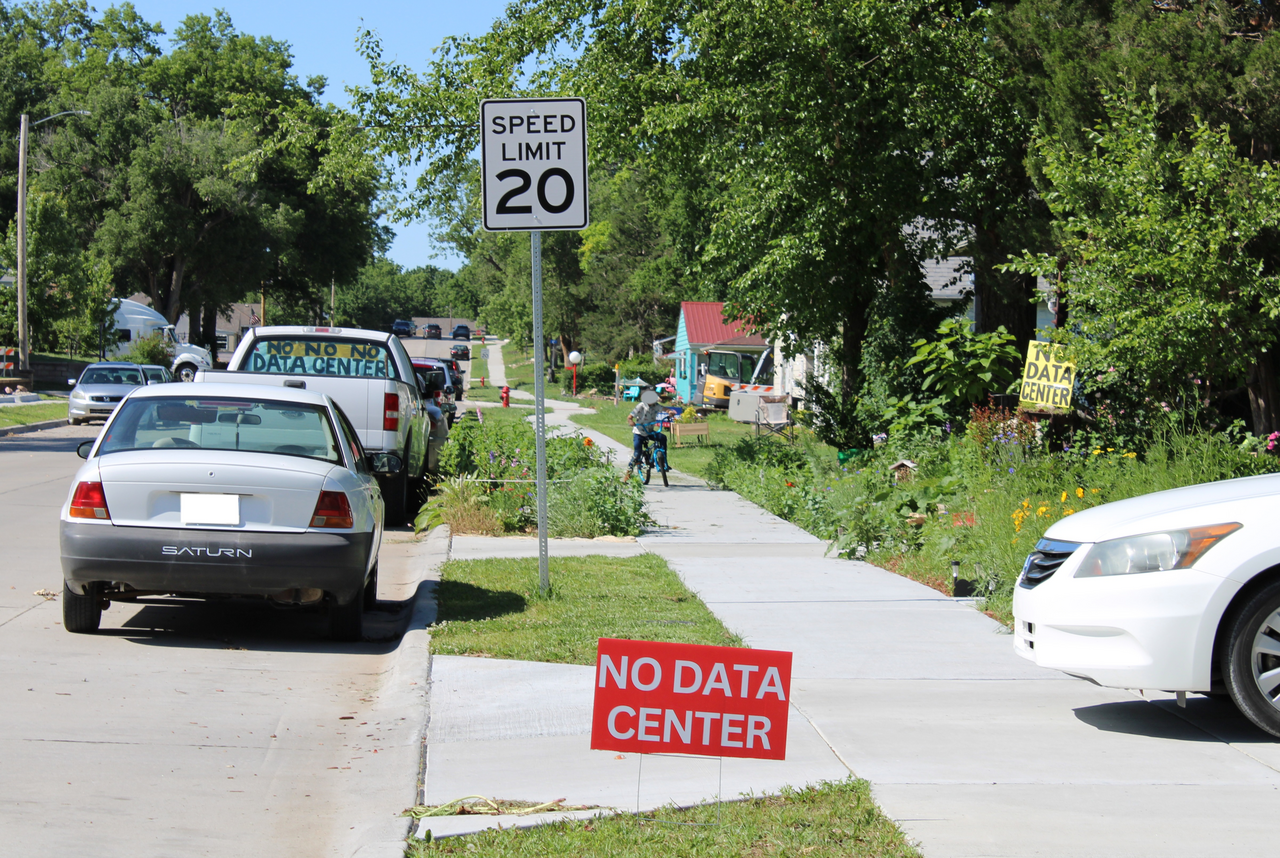
Data centres are the clearest test of whether the AI transition will be governed responsibly. Their electricity and water demands can affect grid planning, household bills and local environmental conditions. Rapid expansion may bring construction, tax revenue and high-skilled employment, but those benefits do not automatically compensate communities for congestion, noise or pressure on scarce power.
A credible policy should require companies to disclose energy and water use, identify the infrastructure costs associated with new facilities and contribute fairly to upgrades. Local residents should receive meaningful notice and a genuine opportunity to challenge projects—not merely be informed after contracts are signed.
That approach would not amount to an anti-technology veto. It would make expansion more predictable by clarifying the rules before billions are invested. Transparency is not an obstacle to innovation; it is what gives innovation a social licence.
What accountability should look like
Governments should focus on measurable obligations rather than political slogans. High-impact AI systems should undergo independent testing for safety, discrimination and security. Users should know when they are dealing with an automated system, and people harmed by consequential decisions should have access to explanation and appeal. Regulators need the authority to investigate, impose penalties and order corrective action.
These safeguards should be paired with public investment in digital education, computing infrastructure and worker transition. If AI productivity is real, its gains should support better jobs and public services—not simply increase the bargaining power of shareholders and executives.
“Voluntary standards can be a starting point, but they cannot be the final word when the public bears the risks.”
The counterargument remains serious: excessive regulation could push investment elsewhere, protect inefficient incumbents and leave democratic governments dependent on foreign technology. That is why rules should be proportionate, regularly reviewed and designed around risk. Yet the answer to regulatory weakness is better regulation, not no regulation.
AI will shape the economy regardless of whether public institutions are ready. The choice before policymakers is whether to let infrastructure decisions, workplace changes and safety norms emerge by default—or to set terms that citizens can understand and contest. Our newsroom believes the latter is not a brake on progress. It is the condition for progress that lasts.