Commentary: The climate debate has entered a less forgiving phase. The question is no longer whether extreme weather is a warning, but whether governments will treat warnings as a mandate to protect people before disaster arrives.
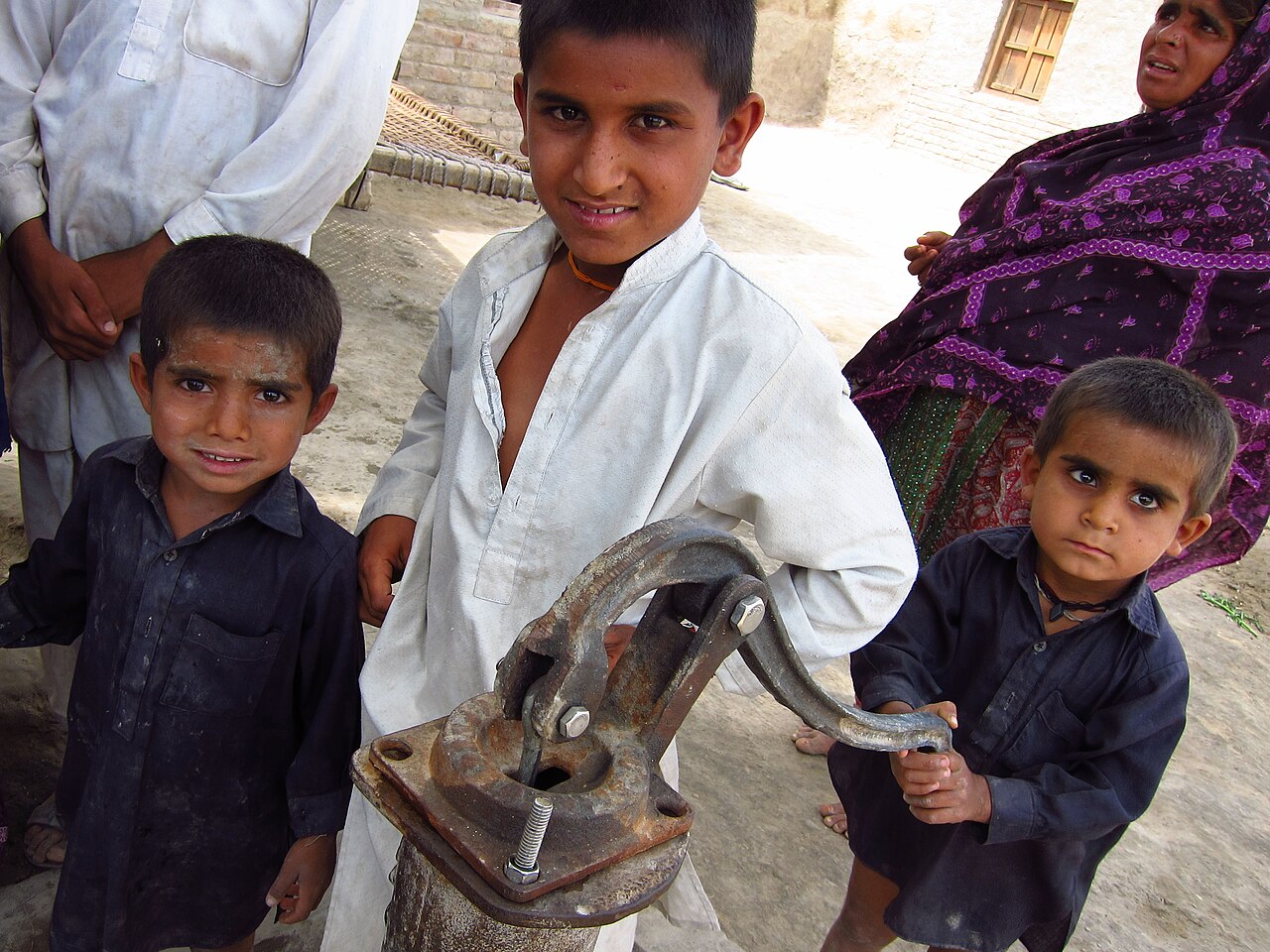
Recent reporting points to a potentially powerful 2026–27 El Niño cycle, with UNICEF projecting that more than 347 million children could face heightened risks to health, education and development. The same pattern of warming Pacific waters can produce sharply different consequences across regions: severe rainfall and flooding in some places, drought and crop failure in others. Across Papua New Guinea, communities are already reporting drying water sources, failing harvests and rising food prices.
These developments should change the tone of the coming COP31 climate summit in Türkiye. Negotiators will rightly discuss emissions targets, finance and adaptation. But our view is that the central test must be simpler: whether climate policy reaches households before the next emergency, rather than merely documenting suffering afterward.
Preparation is not pessimism
There is a familiar objection. Governments facing wars, inflation and political instability cannot respond to every forecast with unlimited spending. Climate projections contain uncertainty, and public money must compete with immediate needs such as healthcare, housing and energy affordability.
That argument deserves to be taken seriously. A forecast is not a certainty, and poorly designed projects can waste money or burden citizens already struggling with higher prices. Climate policy that ignores workers, consumers and poorer countries will not retain democratic support.
But uncertainty is not a reason for paralysis. It is a reason to invest in measures that remain valuable across multiple scenarios: reliable water systems, heat-resilient schools, early-warning networks, drought-resistant agriculture and emergency cash assistance. Such investments reduce harm whether a forecasted event arrives at full strength or not. They also cost less than repeatedly rebuilding homes, roads and hospitals after preventable damage.
The fairness question
The burden is not distributed evenly. Children, rural communities and low-income households generally have fewer ways to relocate, insure property or absorb food-price shocks. The countries most exposed to climate hazards are often not those that benefited most from decades of fossil-fuel development.
We should therefore resist a politics of climate adaptation that treats vulnerable communities as passive recipients of charity. Local authorities and residents need decision-making power, transparent finance and projects designed around actual conditions. International pledges matter only when funds arrive predictably and can be spent where risks are greatest.
There is also a legitimate concern that adaptation language can become an excuse to abandon emissions cuts. It cannot. Stronger sea walls or emergency shelters do not make continued fossil-fuel expansion safe. Adaptation protects people from damage already locked in; emissions reductions determine how much additional damage future generations inherit.
What COP31 should demand
Our editorial position is straightforward: COP31 should judge progress by delivery, not declarations. Governments should publish measurable plans for child protection, food security, water access and early warnings in climate-vulnerable areas. Wealthier countries should make climate finance easier to access, more predictable and more focused on grants rather than debt. Businesses should disclose physical climate risks without turning disclosure into a substitute for action.
None of this requires pretending that climate policy has no trade-offs. Clean-energy projects can disrupt communities; adaptation infrastructure can displace people; rapid transitions can damage livelihoods when workers are left without support. Those costs must be acknowledged and addressed through consultation, compensation and retraining.
Still, the counterargument should not become an alibi. The choice is not between perfect certainty and reckless spending. It is between planned protection and a steadily more expensive cycle of emergency response.
The approaching El Niño may be stronger or weaker than current projections suggest. The moral obligation is unchanged. When credible evidence shows that millions of children could face avoidable harm, responsible government acts before the headline becomes a casualty count.