The US economy is entering the final stretch before the midterm elections with an unusually contradictory profile: consumers are still spending, unemployment remains relatively low, yet public confidence has fallen sharply as fuel and everyday costs rise. That tension is becoming the defining political test for President Donald Trump—and a difficult policy problem for the Federal Reserve.
The University of Michigan’s October consumer-sentiment index was the second-lowest in records dating to 1978. Fifty-six percent of respondents spontaneously cited higher prices as a negative influence on their personal finances, the fourth consecutive monthly increase in that share. One-year inflation expectations rose to 4.7%, up from 4.6% in September and well above the 3.4% recorded in February.
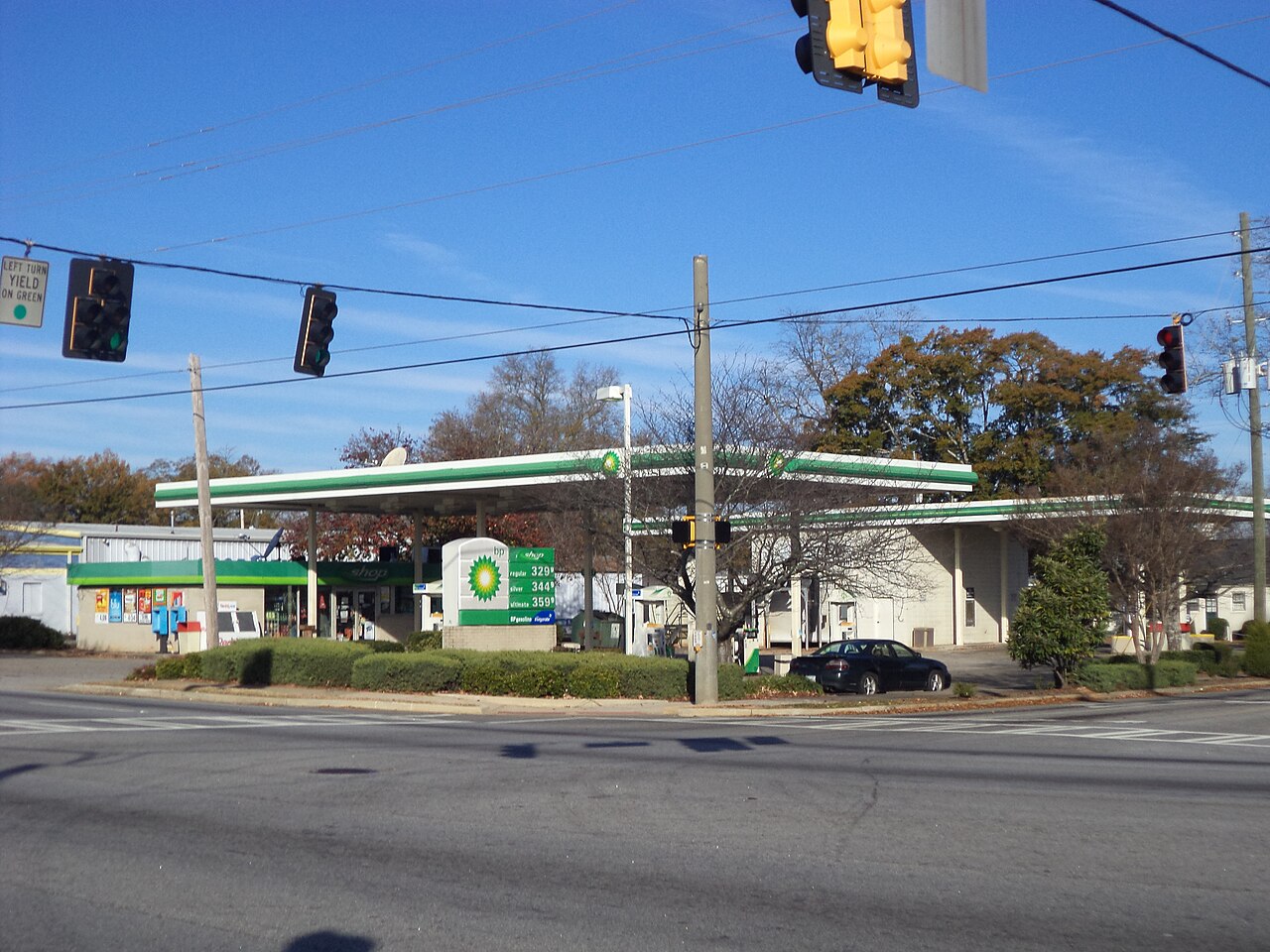
Those figures matter politically because voters tend to judge the economy through household budgets rather than headline growth. Higher gasoline prices are especially visible. Oil reached $117 a barrel this month amid fears of a renewed escalation in hostilities involving Iran, pushing up fuel costs and raising concerns that energy inflation could spread through transport, warehousing and retail prices.
Resilience beneath the pessimism
The gloomy surveys do not yet describe an economy in freefall. Retail sales rose 0.8% in August, with gas-station spending jumping 6.4% and restaurants and bars gaining 1.1%. Weekly unemployment-benefit claims remained below 200,000, suggesting that layoffs are still historically limited.
That resilience gives the administration an argument: consumers continue to work and spend despite pressure on purchasing power. Supporters of Trump’s tariff and industrial policies say the approach is intended to rebuild domestic production, protect strategic industries and eventually make the United States less vulnerable to overseas supply shocks.
Critics see a different mechanism. Tariffs raise the cost of imported goods and components, they argue, while retaliation can damage exporters. The Wall Street Journal reports that economists increasingly expect trade policy to contribute to higher prices without delivering a decisive manufacturing revival. For households already facing expensive food, housing and energy, the promised long-term benefits may arrive too late to influence November voters.
The policy bind
The Federal Reserve faces a more complicated choice than a simple inflation-versus-growth calculation. September hiring slowed to 29,000 jobs, down from a revised 133,000 in August, while unemployment edged up to 4.2%. A weaker labor market would normally support lower interest rates. But persistent inflation and rising expectations push in the opposite direction.
Minutes from the Fed’s latest meeting indicated that most officials expected another rate increase this year. Higher rates could restrain demand and help prevent energy shocks from becoming embedded in wages and prices. They would also keep mortgages, business loans and government borrowing expensive, worsening the housing affordability problem the administration is trying to address before the elections.
Trump’s housing-affordability executive order reflects that political pressure, but executive action cannot quickly offset the underlying cost of credit. If the Fed keeps rates high, prospective buyers may remain sidelined even if home prices soften. If policymakers cut too soon, renewed inflation could force a more disruptive reversal.
What comes next
The immediate question is whether the energy shock fades or broadens. A sustained oil surge would squeeze consumers directly and raise costs across supply chains. A short-lived spike, combined with continued employment, could leave spending intact and allow inflation expectations to stabilize.
The political consequences will also depend on whether voters credit or blame the administration for conditions it cannot fully control. Republicans can point to low layoffs, continued consumption and a strategy aimed at domestic production. Democrats can argue that tariffs, energy costs and high borrowing rates have made daily life more expensive.
Neither side has an easy answer. The economy is strong enough to resist recession but weak enough to feel painful, and that combination leaves perceptions unusually important. The next Federal Reserve decision, the path of oil prices and the autumn labor data will help determine whether the election debate centers on recovery, inflation or economic mismanagement.