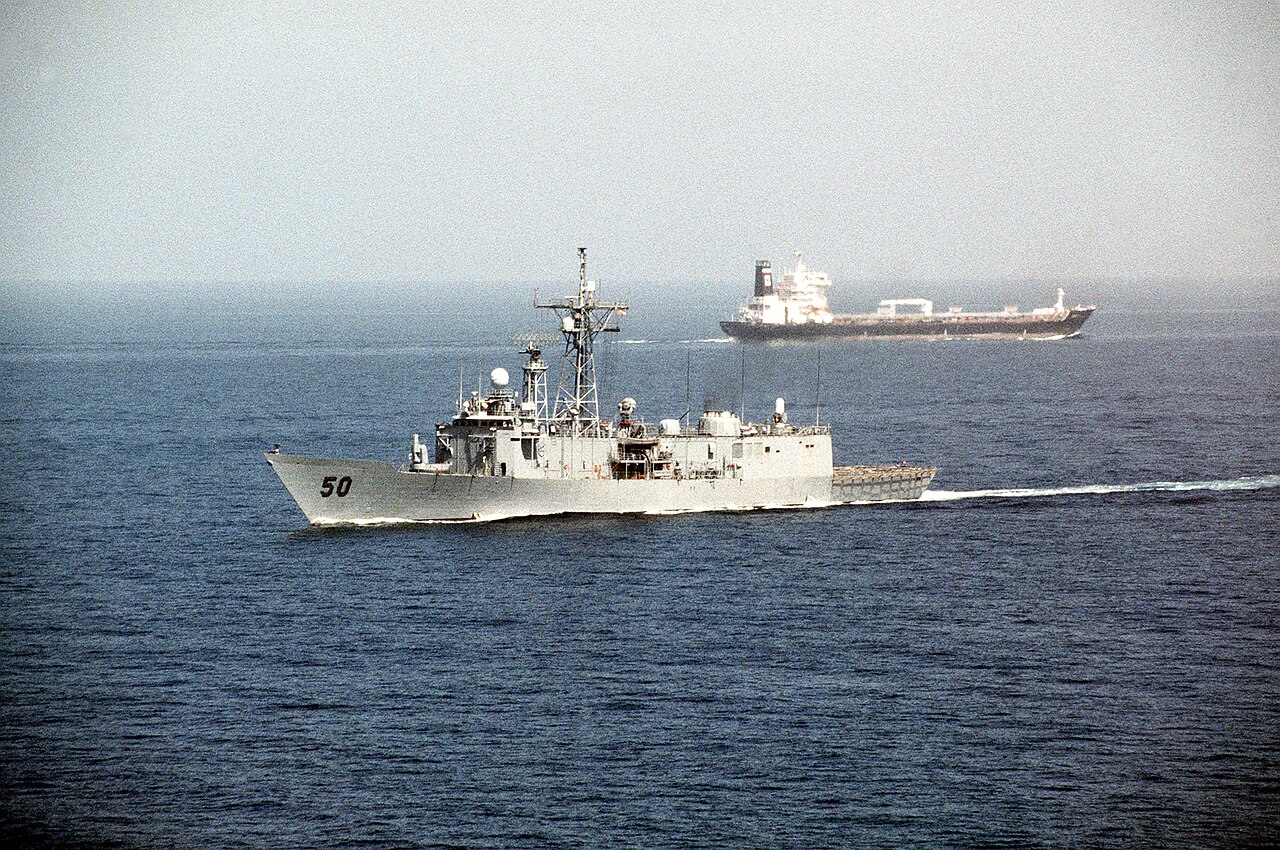
The Iran conflict is no longer only a military and diplomatic crisis. It has become an economic stress test, exposing how quickly disruption around the Strait of Hormuz can collide with inflation, public debt and fragile investor confidence.
The immediate market signal is oil. Brent crude settled above $104 a barrel on October 9, after fears of a wider confrontation pushed energy prices sharply higher. Prices eased after Donald Trump said the United States would not attack Iran before next month’s midterm elections, but the retreat was limited. The episode showed that markets are pricing not only current supply, but the possibility that shipping through one of the world’s most important energy corridors could remain constrained.
The World Economic Forum reported that the Strait of Hormuz remained closed under conditions set by Tehran, while Iran and Oman discussed safe shipping routes, according to reporting summarized by Anadolu Agency. That combination—military pressure alongside mediated efforts to protect navigation—suggests that the next phase may be defined by calibrated coercion rather than a clean return to normal trade.
Why the economic risks are larger now
Energy shocks are difficult for central banks because they raise costs while weakening purchasing power. The latest figures cited by Deloitte show US consumer prices rising 3.8% in September from a year earlier, the highest annual rate since September 2023. At the same time, unemployment increased from 4.1% in August to 4.2% in September. Higher fuel costs could therefore arrive as households are already losing momentum.
The US economy is not yet in recession. Second-quarter growth was revised up to an annualized 2.2%, while consumer spending growth was revised to 3.8%, Deloitte reported. But strong recent activity does not eliminate the vulnerability: oil is a tax on consumers and businesses, and a prolonged disruption would make it harder for the Federal Reserve to reduce interest rates without risking another inflation surge.
Markets are already reflecting that tension. The US 10-year Treasury yield stood near 5.24% on October 10, while gold rose above $4,190 an ounce, according to the Rio Times. Those moves indicate that investors are demanding compensation for both inflation and geopolitical uncertainty. Higher borrowing costs would compound pressure on governments that must finance large deficits and on technology companies whose expansion depends on abundant, relatively cheap capital.
Competing interpretations
One interpretation is that the shock can remain contained. The United States has strategic reserves, producers outside the Gulf can increase output, and diplomatic channels involving Oman may preserve at least limited commercial passage. Under this view, the market’s initial oil spike reflects a risk premium that could fade if neither Washington nor Tehran chooses direct escalation.
A more pessimistic reading is that the conflict has created a feedback loop. Restricting shipping raises energy prices; higher prices increase political pressure in importing countries; and that pressure can narrow leaders’ room for compromise. The World Economic Forum has described the conflict as carrying hybrid risks, including pressure on infrastructure and regional armed groups. Even without a formal blockade, attacks, insurance costs and inspections could make trade slower and more expensive.
That distinction matters for Europe and Asia, whose economies are especially exposed to imported energy and weak industrial demand. Bloomberg reported that German factory orders had fallen and that French bond yields had risen amid concerns about debt and next year’s presidential election. A prolonged oil shock would add to those fiscal and political strains, while leaving governments with fewer options than they had before the pandemic.
What comes next
The next indicators will be physical, not merely financial: whether commercial vessels resume passage, whether attacks spread beyond the immediate theater, and whether Washington and Tehran maintain indirect negotiations. Markets will also watch the Federal Reserve’s October 27–28 meeting, where policymakers must weigh slowing employment against inflation that is already well above target.
The central question is whether the conflict produces a short-lived supply scare or a durable restructuring of energy and security policy. A temporary de-escalation could bring oil lower and restore some investor confidence. But if shipping remains uncertain, companies may build larger inventories, governments may expand strategic reserves, and importers may accelerate diversification away from Gulf supplies.
Neither outcome removes the underlying vulnerability. The crisis has demonstrated that geopolitics, inflation and public finance now reinforce one another. The longer the Strait remains contested, the less credible it becomes to treat the conflict as a regional event with regional consequences.