The global economy is confronting a compound shock: war involving Iran is disrupting Middle Eastern fuel supplies just as Russia-related sanctions, Ukrainian attacks on energy infrastructure and an investment surge in artificial intelligence are testing the resilience of markets. The immediate pressure is energy. The deeper question is whether governments can contain inflation and financial risk without weakening support for allies or derailing growth.
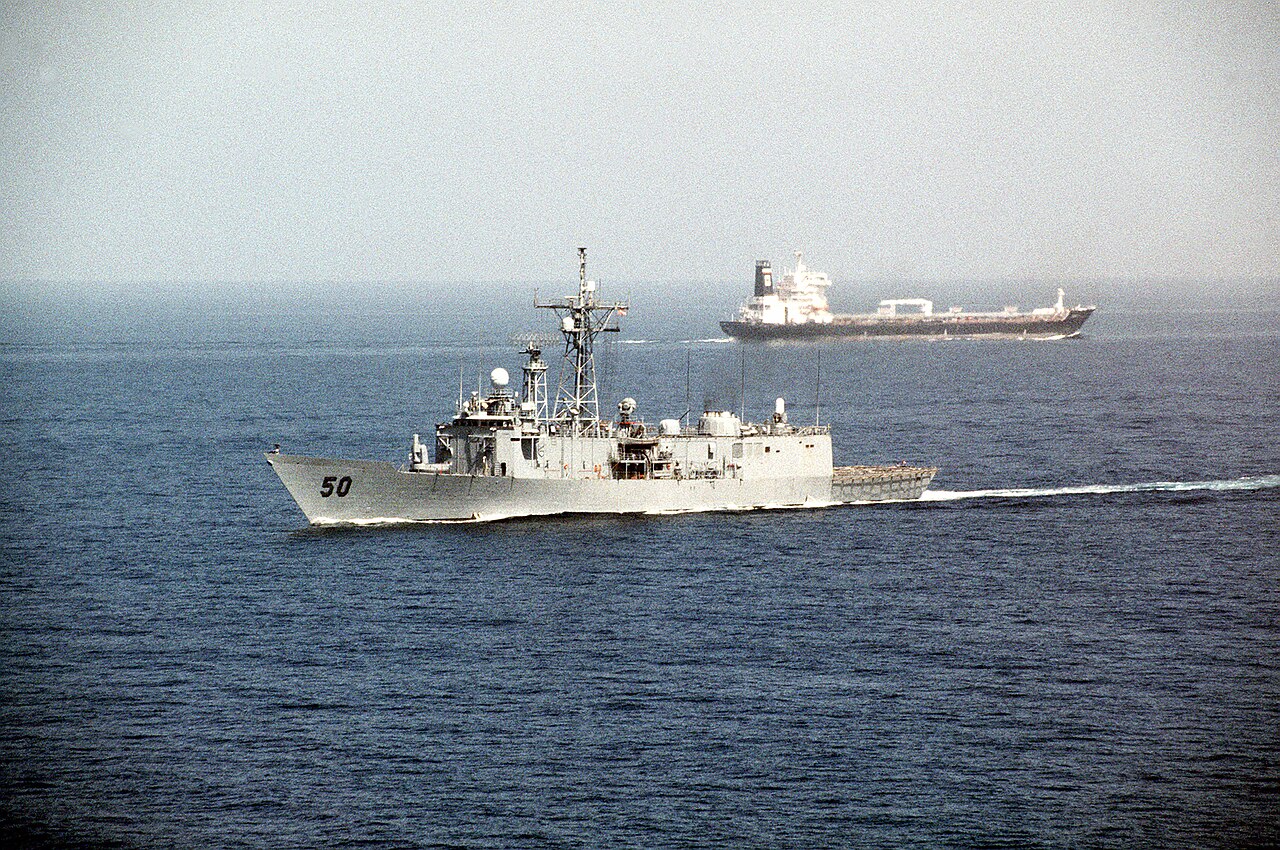
The disruption is centered on the Strait of Hormuz, the key maritime route through which a substantial share of the world’s oil and liquefied natural gas moves. Recent attacks have reportedly sunk at least six cargo vessels, while fighting between Saudi Arabia and Yemen’s Houthi movement has expanded the security threat around regional energy infrastructure. NPR’s account describes the attacks as intensifying, with Iranian missiles and drones adding to the danger for shipping.
Why the oil shock matters
Energy markets respond not only to lost supply but also to the risk that more supply could be interrupted. That risk raises insurance, freight and storage costs before a barrel is physically removed from the market. The effect is already visible in price data: energy-price increases reached 18.8% in September, up from 14.3% the previous month, according to Le Monde.
Higher fuel prices pass through quickly to transport, food production and household heating. Fertilizer is especially exposed because its production depends heavily on natural gas. France’s finance minister, citing World Bank analysis, said 44 countries could face food insecurity because of fertilizer-supply problems linked to higher energy prices. That makes the crisis more than an energy-market story: it can become a food and political-stability story in poorer economies.
Governments are trying to buy time. Members of the International Energy Agency agreed to accelerate the release of roughly 100 million barrels from remaining emergency reserves, including more than 20 million barrels of diesel, according to Anadolu Agency. Strategic stocks can smooth a temporary shortage, but they cannot permanently replace disrupted exports. Their use also reduces the cushion available if the conflict lasts or widens.
Sanctions collide with energy security
Washington’s response shows the policy dilemma. President Donald Trump issued an order implementing the 2026 Lindsey O. Graham Sanctioning Russia and Iran Act, including a 500% tariff on Russian goods and a further 100% duty on goods from the largest importers of Russian oil and gas if they make new purchases. Yet the administration waived the tariffs and many sanctions before they took effect, according to Anadolu Agency.
Supporters of tougher measures argue that economic pressure is necessary to constrain Moscow and Tehran and to signal that attacks on energy infrastructure carry consequences. Critics can point to the practical contradiction: broad secondary sanctions may restrict alternative supplies, punish major importers and push prices higher precisely when consumers are already absorbing a war premium. The waiver suggests that enforcement is being balanced against fears of an even larger energy shock.
Ukraine’s position creates another tension. Kyiv has continued strikes on Russian oil refineries, while Trump has criticized those attacks for contributing to global energy-price increases. Ukraine’s government and its supporters argue that Russian fuel infrastructure helps finance and sustain the invasion; opponents warn that attacks on refineries risk retaliation, market disruption and damage to diplomatic efforts around an energy ceasefire.
Growth survives, but vulnerabilities are rising
The International Monetary Fund has slightly upgraded its 2026 global growth forecast to 3.1%, from 3.0% in July, but expects growth to slow from 3.5% in 2025. Global inflation is projected at 4.7% this year and 4.1% next year. The IMF says artificial intelligence is offsetting some damage from higher oil and gas prices, while warning that the AI investment boom itself carries financial risks, The Associated Press reports.
That combination is unstable. AI infrastructure is supporting productivity expectations, capital spending and technology valuations, but its financing depends on large amounts of debt and optimistic assumptions about future demand. A market sell-off has already become a concern: Nasdaq shares fell more than 2% as investors questioned AI-related debt, according to CNN’s business coverage. Higher energy costs could intensify that pressure by lifting inflation, delaying interest-rate cuts and making heavily financed data-center projects more expensive.
What comes next
The immediate test is whether shipping can be protected and whether emergency oil releases calm markets. A limited conflict could leave the shock manageable, particularly if producers compensate for lost flows. A prolonged closure or repeated attacks around Hormuz would be different: it could combine inflation, food insecurity, weaker investment and renewed pressure on central banks.
The political consequences will depend on who bears the cost. Wealthier states can subsidize fuel and release reserves; import-dependent developing countries have fewer options. Meanwhile, sanctions policy will remain caught between strategic coercion and market stability. The central lesson is that today’s crises are interconnected: energy security shapes diplomacy, diplomacy shapes trade, and trade conditions now feed directly into the credibility of the AI-led growth story.