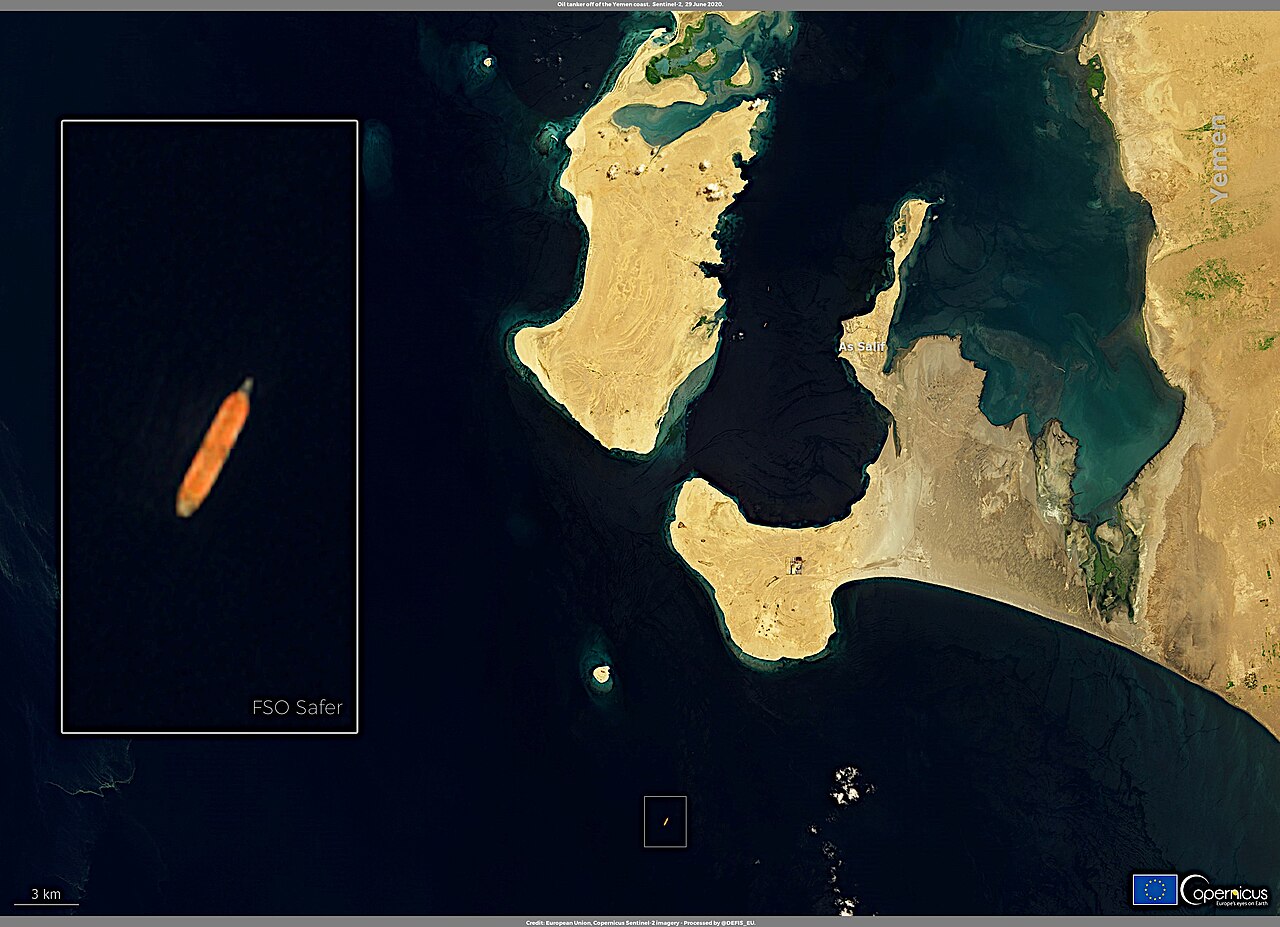
The latest warning from the United Nations trade and development agency is less a forecast of one isolated downturn than a map of the global economy’s vulnerabilities. UNCTAD expects world output to grow 2.6% in 2026, down from 2.9% in 2025, as the Middle East conflict pushes up energy costs and strains financial stability. The International Monetary Fund is more optimistic, projecting 3.0% growth, but it has also reduced its estimate and raised its inflation forecast to 4.7%.
The disagreement over the precise number matters less than the direction: the world economy is being asked to absorb another supply shock while still dealing with high debt, trade disputes and the uncertain payoff from artificial-intelligence investment. The result could be slower growth without the clean disinflation that central banks had hoped would follow earlier shocks.
Why energy is the immediate pressure point
Higher energy prices work through the economy in several ways. They raise transport, electricity and manufacturing costs, squeeze household purchasing power and widen import bills for countries that rely on overseas fuel. The effect is especially severe when disruption affects shipping routes or encourages companies to build costly alternative supply chains.
UNCTAD says global trade in goods and services could expand by about 4% in real terms this year, following a record $35 trillion in trade during 2025. But part of the nominal increase reflects higher prices rather than stronger volumes. The agency’s projection therefore offers little reassurance to economies whose import costs are rising faster than export earnings.
The World Bank’s June outlook provides a similarly cautious baseline: global growth of 2.5% in 2026, with commodity prices projected to rise 16% if disruptions ease only gradually. That assumption is crucial. A rapid stabilization in shipping and energy markets could limit the damage; a prolonged crisis would turn a price shock into a broader investment and employment shock.
Growth is becoming more uneven
Asia remains the principal engine of expansion. UNCTAD expects the region to generate 59% of global growth in 2026, with India expanding 7.3%, Indonesia 5.2% and China 4.5%. Yet these figures conceal different economic stories. India’s growth is supported by domestic demand and investment, while China continues to manage weaker momentum than in earlier decades and faces pressure from property, demographics and external trade restrictions.
Developing economies as a group are projected to grow 4%, down from 4.7% in 2025. Advanced economies are expected to expand only 1.6%. This gap does not automatically mean convergence: slower-growing rich countries generally retain cheaper financing, stronger currencies and greater fiscal capacity to cushion consumers and firms.
The World Bank has warned that emerging and developing economies face their weakest per-capita income growth since the pandemic. That helps explain why energy inflation is politically consequential. Governments may have to choose between subsidizing fuel, protecting public services and preserving debt sustainability.
The AI boom is a cushion—and a new risk
Technology investment is offsetting part of the shock. The IMF says accelerated demand linked to artificial intelligence is supporting the global technology cycle, while trade data indicate strong demand for AI-related goods and infrastructure. Semiconductor production, data centers and electricity networks are attracting capital even as other sectors weaken.
Supporters see this spending as the beginning of a productivity cycle that could lift potential growth and make economies more resilient. Skeptics argue that the investment boom is concentrated among a small number of companies and countries, and that expected returns may not justify current valuations or power demands. The IMF has identified an AI-related correction as one of the risks to its outlook.
That tension is visible in the geography of investment. UNCTAD reports that developed economies accounted for nearly 70% of newly announced projects in strategic high-value sectors, including semiconductors, energy-transition technology and AI infrastructure, between 2020 and 2025. Without technology transfer, finance and access to markets, poorer countries may consume the products of the next growth cycle without capturing much of its value.
What comes next
The near-term outcome depends on whether the energy crisis remains contained. A de-escalation would ease freight and fuel markets, allowing central banks to focus again on demand and interest rates. Continued disruption would force policymakers into a more difficult trade-off: supporting growth while preventing a renewed inflation spiral.
Governments are likely to accelerate efforts to diversify fuel supplies, build strategic reserves and reduce exposure to single shipping routes. Those measures improve resilience but can also deepen economic fragmentation if national subsidies and industrial policies become substitutes for cooperation.
The central question is therefore not whether the world can grow in 2026. It is who benefits from that growth, who pays for the adjustment and whether the next shock arrives before economies have rebuilt their buffers. The forecasts point to expansion, but they also describe a global system with less room for error.