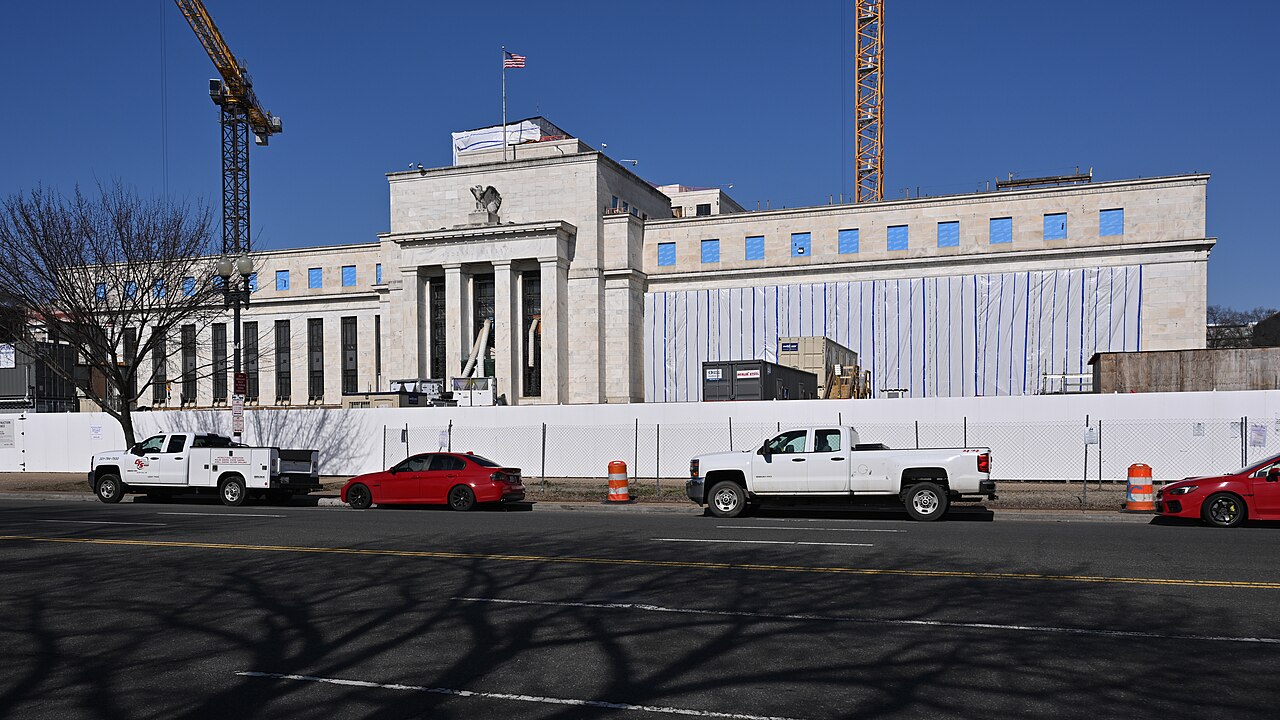
Commentary. The Federal Reserve should leave interest rates unchanged this month, and it should resist the political pressure—explicit or otherwise—to make monetary policy serve the electoral calendar.
That is not an argument for complacency. Inflation remains uncomfortably persistent, energy costs have added to household strain, and new tariffs threaten to raise the price of imported goods. A Reuters poll found that 94 of 100 economists expected the Fed to hold its benchmark rate at 3.75% to 4% at its October meeting, while most anticipated another increase in December. Reuters
The case for waiting is therefore not that the economy has decisively beaten inflation. It is that the Fed has already tightened financial conditions substantially, and policymakers need time to see how those measures are working. Moving too quickly risks turning a manageable slowdown into a broader contraction, particularly for households refinancing debt and businesses dependent on credit.
Why patience is the responsible choice
The American economy has shown resilience. It grew at an annualized 2.2% pace in the second quarter, with investment linked to artificial intelligence providing an important lift. Economists surveyed by Reuters expected growth of 3.2% in the following quarter, before slowing to 2.2% in the final quarter of the year. Reuters
Those numbers do not justify declaring victory, but they do weaken the argument for an emergency response. A pause would allow the Fed to distinguish between temporary energy and tariff shocks and more durable inflationary pressure. It would also make clear that the institution is guided by evidence rather than market anxiety.
That independence matters especially now. The cost of living is becoming a political vulnerability for Republicans ahead of the midterm elections, while higher energy prices linked to conflict in the Middle East have complicated the economic outlook. Reuters Whether political leaders want lower borrowing costs or relief from price increases, the Fed cannot credibly pursue both through short-term intervention.
The strongest argument against a pause
Critics have a serious case. If inflation expectations become entrenched, delaying a rate increase could require harsher action later. Higher oil and gas prices can spread through transportation, food and manufacturing, while tariffs may create a second wave of price increases. Financial markets, meanwhile, may interpret a pause as permission to resume excessive risk-taking.
There is also a distributional concern. Persistent inflation harms people who cannot easily renegotiate wages or protect savings through investments. For them, a central bank that waits too long can appear indifferent. Rate increases are painful, but allowing prices to keep rising can be more damaging over time.
Those objections justify keeping a December increase on the table. They do not, however, prove that October action is wise. Monetary policy works with lags, and a rate hike made mainly to demonstrate toughness could amplify the very slowdown policymakers are trying to avoid.
Credibility requires consistency
The Fed’s best course is a conditional pause: hold rates now, communicate that inflation remains above target, and state plainly what evidence would trigger a December move. That means watching core inflation, wage growth, energy prices and broader measures of demand—not reacting to every market swing.
Investors may prefer certainty, but credible policy is not the same as a fixed promise. The public deserves an institution willing to change course when facts change, while also refusing to confuse political urgency with economic evidence.
Our view is straightforward: the Fed should wait this month, prepare the ground for action if inflation fails to ease, and protect its independence from election-season demands. Patience is not surrender. It is the discipline to let policy work before imposing another cost on the economy.