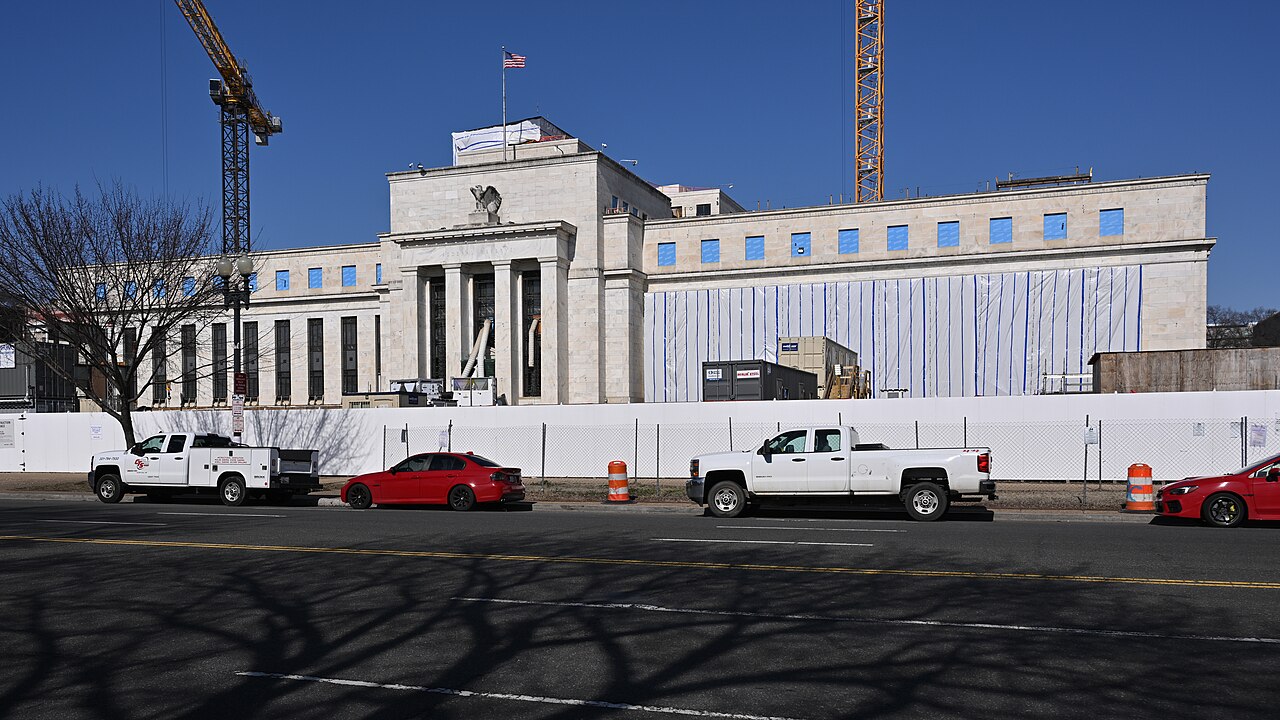
Commentary. The Federal Reserve is approaching one of those decisions that can make monetary policy look simpler than it is. Consumer prices rose 3.7 percent over the year in September, well above the Fed’s 2 percent target, while policymakers are also confronting weaker labor-market signals and fragile consumer sentiment. Markets now see roughly even odds of another rate increase at the October 27–28 meeting, an unusually uncertain outcome.
Our view is that the Fed should hold rates steady unless incoming evidence shows that inflation is broadening decisively. That is not a plea for complacency. It is an argument against using a blunt instrument to answer every uncomfortable economic signal.
Inflation is a real problem
The case for another increase is straightforward. Inflation remains too high, and the September data reportedly showed that underlying price pressures were still sticky. If households and businesses begin to expect elevated inflation to persist, those expectations can become self-reinforcing through wage demands, pricing decisions and longer-term contracts. The Fed cannot credibly defend its 2 percent target by repeatedly treating it as optional.
There is also a reputational cost to waiting. A central bank that pauses whenever markets or politicians become nervous may encourage investors to assume that financial conditions, rather than price stability, determine policy. The recent debate has already been complicated by the proximity of US elections and by political arguments over the administration’s economic agenda. The Fed’s independence depends not only on its legal authority but on demonstrating that its decisions follow the data.
That is why officials who favor a hike can reasonably say that one more increase would reinforce the message that inflation remains the priority. Reuters reported that some influential policymakers still saw room for another move this year, while the Fed’s September decision placed its policy-rate target at 3.75 to 4 percent.
But rates work slowly—and unevenly
The stronger argument for a pause is not that inflation has disappeared. It is that monetary policy operates with delays, and the effects of earlier increases may not yet be fully visible. Raising rates again could cool demand after businesses and consumers have already begun adjusting, producing a sharper slowdown than policymakers intended.
That risk matters because the labor market is showing signs of vulnerability. Reuters described weaker jobs data and fragile consumer sentiment as reasons the Fed still has room to wait. A central bank that over-tightens can reduce hiring, weaken investment and push financially exposed households into distress. Those costs are not theoretical: they fall most heavily on people with variable-rate debt, limited savings and little bargaining power.
Nor would a rate hike necessarily solve every source of inflation. If price pressures reflect energy costs, import prices or supply disruptions, higher borrowing costs can suppress domestic demand without restoring supply. The result may be slower growth alongside stubbornly high prices—the worst of both worlds.
Patience is not surrender
Holding rates does not mean abandoning the inflation target. It means giving the Fed a chance to measure the impact of its existing policy while stating clearly what would trigger a renewed increase. That communication should include concrete indicators: sustained acceleration in core prices, evidence that wage growth is feeding broad-based inflation, or signs that inflation expectations are becoming unanchored.
The alternative—a pre-emptive hike simply to prove resolve—would confuse toughness with judgment. Monetary policy should not be calibrated to satisfy traders, silence political critics or protect the Fed from accusations that it is doing too little. It should be calibrated to the balance of risks facing the economy.
The opposing case deserves respect. Inflation above target for too long can erode living standards and punish savers; delaying action can force harsher tightening later. But those dangers do not eliminate the costs of moving too quickly. They make careful communication more urgent.
For now, the prudent course is a pause accompanied by an unmistakably restrictive stance. The Fed should keep the option of a later hike open, but it should not raise rates merely because inflation is uncomfortable. Its credibility will be strengthened—not weakened—if it shows that patience can be a disciplined policy rather than a retreat.