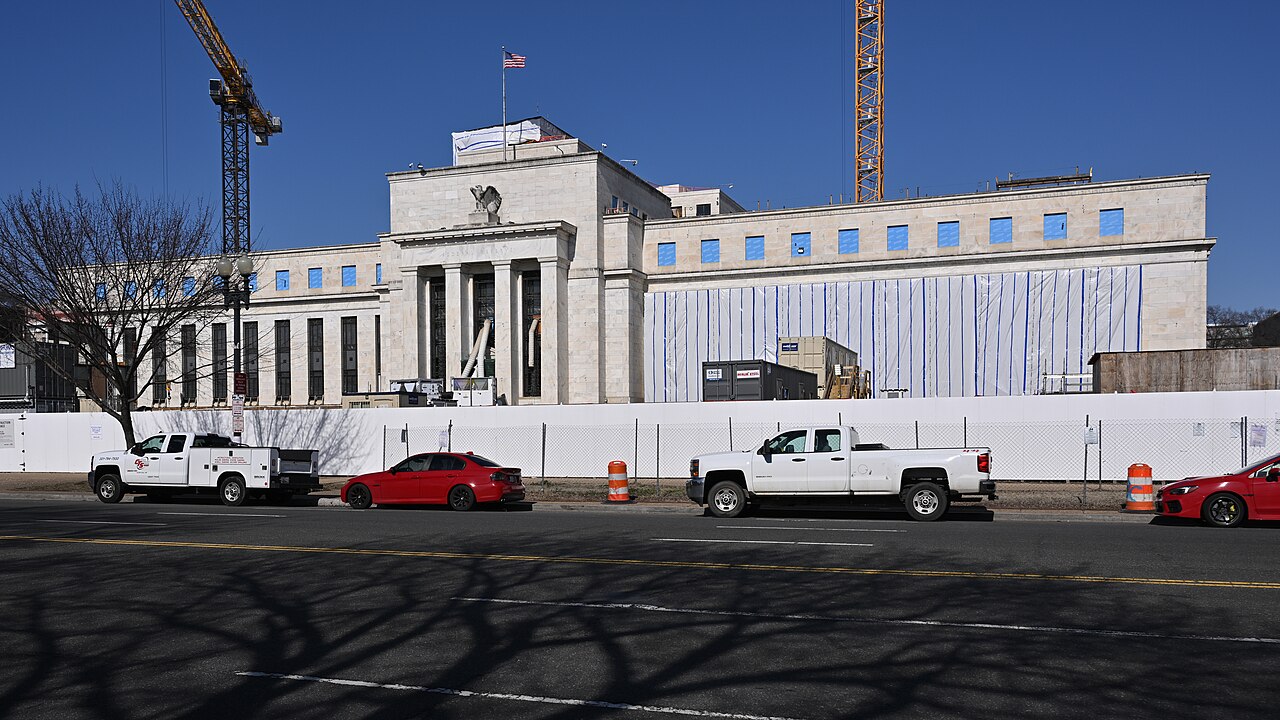
Commentary. The Federal Reserve is approaching a decision that will test not only its judgment on inflation, but also its independence from the political calendar. The case for another interest-rate increase is serious. The case for waiting is stronger.
Economists polled by Reuters overwhelmingly expect the Fed to hold its benchmark rate at 3.75% to 4% at the October 27–28 meeting, while anticipating another increase in December. That expectation reflects a difficult economic picture: inflation remains uncomfortably high, yet weaker employment data and fragile consumer sentiment suggest that the economy may already be losing momentum.Reuters
Our view is that the Fed should wait in October and preserve the option to act later. That is not a plea for complacency. It is an argument for distinguishing between inflation that demands immediate suppression and inflation that requires better diagnosis.
The argument for a hike
The hawkish case is plainly credible. Consumer prices rose 3.7% from a year earlier in September, well above the Fed’s 2% target. Policymakers have also warned that price pressures may be broadening beyond temporary energy effects and influencing how businesses set prices.Reuters
Cleveland Fed President Beth Hammack has argued that the central bank should move “relatively quickly” toward a restrictive policy stance. If households and firms begin to expect persistent inflation, delaying action can make the eventual cure more painful. A measured increase now, supporters say, could prevent the need for sharper tightening later.
That concern deserves respect. Central banks lost credibility in the past when they treated inflation as temporary for too long. The Fed cannot simply hope that elevated prices will fade, particularly when officials see signs of demand-driven pressure.
Why waiting is the wiser choice
But interest rates work with a lag, and the Fed has already lifted its policy rate to a range of 3.75% to 4%. The question is not whether policy should be restrictive; it is whether one more increase this month would materially improve the inflation outlook or merely deepen the damage to employment, housing and household finances.
Recent reporting shows that policymakers themselves remain divided over the meaning of the data. Some see rate increases as necessary to prevent energy and other price shocks from spreading. Others believe the evidence points to broader demand-driven inflation. The disagreement is not cosmetic: it reflects uncertainty about what is causing the current pressure and how forcefully monetary policy should respond.Reuters
That uncertainty argues for observation. Holding steady would give officials time to assess whether inflation is becoming entrenched, while avoiding an unnecessary shock to a labor market already showing signs of weakness. It would also preserve flexibility for December, when the Fed can act with more information.
Independence matters
The timing carries an additional risk. The October meeting comes shortly before US elections that will determine whether Republicans retain control of Congress. Even a justified rate increase could be portrayed as politically motivated; a decision to hold could be attacked as timidity. The only defensible response is to make the decision transparently and explain it in economic, not electoral, terms.
Neither side should confuse independence with stubbornness. The Fed should not defer action merely to avoid controversy, just as it should not hike to demonstrate toughness. Its responsibility is to pursue stable prices and maximum employment using the evidence available—not to satisfy markets, politicians or television commentators.
A conditional pause
Waiting should come with conditions. The Fed should signal that a December increase remains possible if inflation continues to broaden or expectations rise. It should also identify the labor-market and demand indicators that would make further tightening unnecessary. Clear guidance can prevent a pause from being interpreted as surrender.
The strongest policy is therefore neither an automatic hike nor an open-ended delay. It is a conditional pause: hold in October, communicate the risks plainly, and be prepared to move in December if the data confirm a persistent inflation problem. In a moment of genuine uncertainty, restraint is not weakness. It is disciplined central banking.