The global economy is being pulled in two opposing directions. The war in the Middle East is driving an energy and food shock, while a powerful investment cycle centered on artificial intelligence is supporting demand and, potentially, productivity. The result is not a clean recovery or a conventional downturn, but an increasingly uneven expansion in which the countries best placed to supply technology are gaining ground while energy importers and poorer economies absorb much of the damage.
The International Monetary Fund’s October outlook projects global growth of 3.1 percent in 2026 and 3.4 percent in 2027. But the headline numbers obscure the deterioration in prices: global headline inflation is expected to rise to 4.7 percent this year before easing to 4.1 percent next year. The IMF attributes the temporary acceleration mainly to higher energy and food prices, with the war acting as a negative supply shock. The fund’s forecast says activity held up better than expected in the first half of the year, but the margins for absorbing further shocks are narrowing.
Two shocks, moving in opposite directions
The energy shock affects economies unevenly. Oil and gas importers face higher transport, electricity and production costs, which can weaken household purchasing power and squeeze businesses. Lower-income countries are particularly exposed because food and fuel consume a larger share of household budgets and public finances. Exporters of energy or other commodities may benefit from higher prices, but that advantage depends on trade routes, domestic capacity and the duration of the conflict.
Inflation has already shown how quickly the shock can spread. IMF data indicate that global inflation rose from 4.3 percent in March to 4.9 percent in May as energy pressures intensified, before easing to 4.7 percent in June. That partial retreat does not restore the earlier disinflation trend; it leaves central banks facing the difficult combination of weaker real incomes and renewed price pressure. IMF data show that the war-related increase came after inflation had already been above the levels recorded earlier in the year.
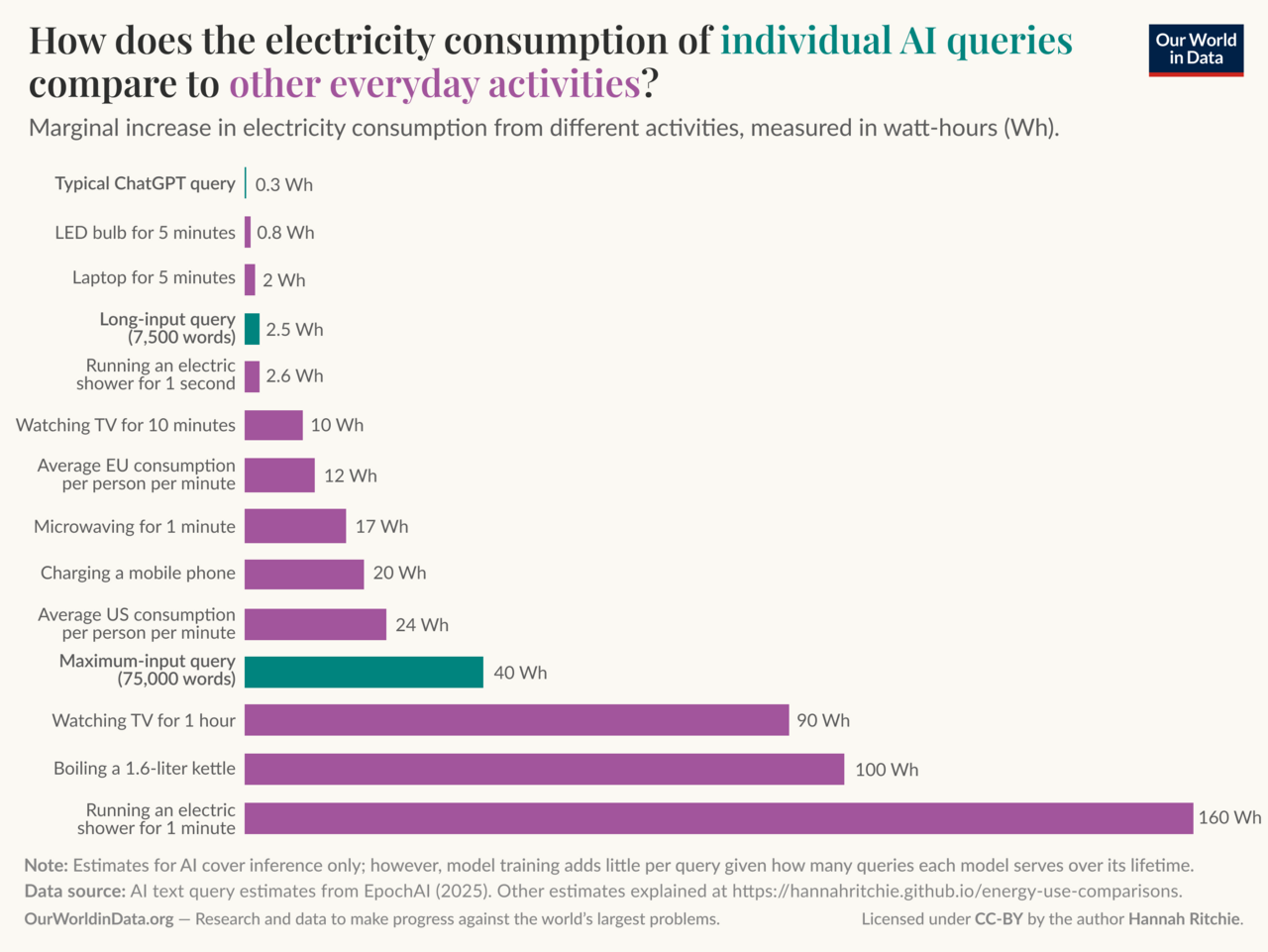
At the same time, AI-related spending is acting as a demand shock. Investment in data centers, semiconductors, networking equipment and software is benefiting technology producers and their suppliers. The IMF identifies Taiwan, South Korea, Thailand and Malaysia among countries whose growth has remained resilient because of their role in AI-related hardware exports. Its July analysis also describes the technology cycle as a positive force partly offsetting the effects of war.
The productivity promise—and its limits
The optimistic case is that today’s capital spending eventually becomes broad productivity growth. If companies deploy AI beyond experimentation, they could reduce costs, improve logistics and create new products. That would make the current investment boom more than a temporary lift to construction and equipment demand.
But the IMF also highlights the central risk: expectations may run ahead of measurable gains. Its October assessment notes that stronger AI investment could lift the outlook, while a correction in financial markets could follow if the promised productivity gains fail to appear. IMF officials have warned that higher bond yields are already reflecting persistent inflation, fiscal concerns and expectations of stronger future growth linked to AI.
That tension matters because the benefits are concentrated. Technology exporters and firms with access to capital can capture the upside, while workers in exposed occupations may face disruption before new employment appears. Countries without reliable electricity, digital infrastructure or skilled labor may become consumers of AI systems rather than producers of the value they generate. The technology cycle can therefore raise global output while widening differences between economies.
What policymakers can—and cannot—do
Central banks face a constrained choice. Cutting rates too quickly could prolong inflation if energy costs remain elevated; keeping policy tight for too long could weaken investment and increase debt-servicing burdens. Fiscal authorities face similar trade-offs. Broad energy subsidies can protect households but strain budgets and reduce incentives to conserve energy. Targeted transfers are more efficient, yet harder to administer and politically less visible.
The IMF’s message is that governments need to rebuild buffers rather than assume resilience will last. That means protecting vulnerable households, maintaining credible fiscal plans, improving energy security and avoiding new trade barriers that would further fragment supply chains. For poorer economies, access to financing and food security may be more urgent than participation in the AI boom.
The next phase will depend on whether the two shocks converge or diverge. A de-escalation that lowers energy prices could allow inflation to fall and give central banks more room to support growth. Conversely, a prolonged conflict combined with disappointing AI productivity would expose the weakness behind the current resilience. The IMF’s central forecast points to a recovery in 2027, but its underlying message is more cautious: growth is holding up, yet the world has fewer buffers and less room for policy error.