The global economy is entering a more fragile phase: growth remains positive, but the forces supporting it are becoming narrower and more exposed to shocks. The International Monetary Fund projects global growth of 3.1% in 2026 and 3.4% in 2027, while warning that resilience is increasingly uneven across countries. Economies benefiting from artificial-intelligence investment or favorable commodity prices are performing better than energy importers and lower-income states.[1]
That unevenness is the central story behind the headline numbers. A world economy growing at roughly 3% can appear stable in aggregate while households, businesses and governments experience sharply different realities. The immediate pressure is coming from energy and food prices, persistent inflation in the United States, elevated borrowing costs and renewed trade tensions. The IMF expects inflation to reach 4.7% this year, largely because of higher energy and food costs, before easing to 4.1% next year.[2]
Why the outlook looks stronger than it feels
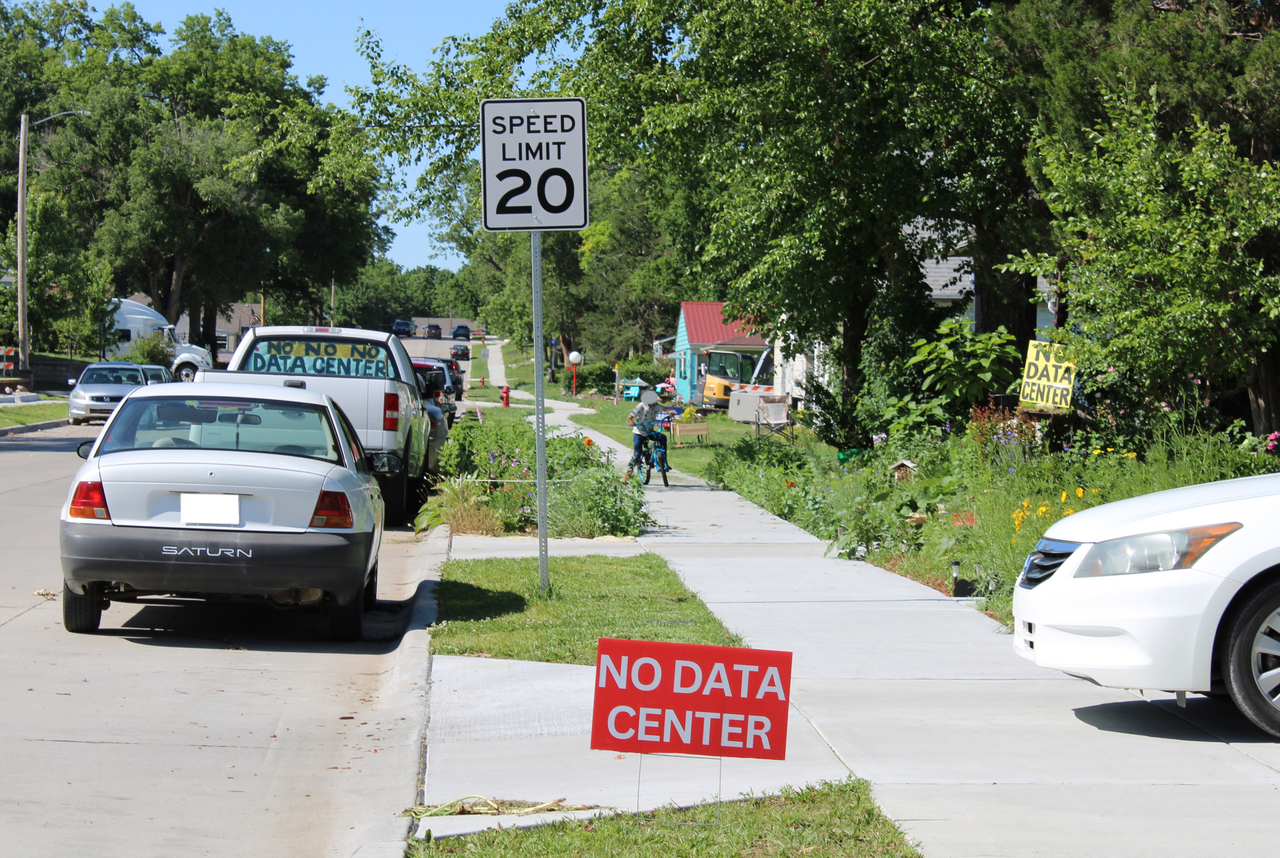
Several economies are being supported by a powerful investment cycle around AI infrastructure. Spending on data centers, advanced chips and electricity capacity has lifted demand across parts of the technology and industrial sectors. The benefits are real: investment can raise productivity, create new markets and support growth even when traditional manufacturing and construction are weak.
But the boom is also concentrated. Deloitte reports growing investor concern that AI companies and infrastructure providers may not generate enough revenue to service the debt required to build out capacity. Credit-default-swap prices and bond yields for AI-related companies have risen, while Gartner estimates that 80% of neocloud providers could cease independent operations by 2030 because capital expenditure may greatly exceed returns.[3]
Those warnings do not prove that AI investment is a bubble. Major technological shifts often require years of infrastructure spending before productivity gains become visible. The more immediate risk is financial concentration: if a small group of companies accounts for a disproportionate share of investment and profit expectations, a correction could spread beyond technology markets. The Wall Street Journal reports that ten companies, including Nvidia and Micron, account for roughly two-thirds of corporate profit growth.[4]
Energy is the transmission mechanism
Geopolitical conflict is turning the AI and inflation story into an energy story. Disruptions affecting Middle Eastern fuel supplies and the Strait of Hormuz have pushed energy prices higher. Le Monde reported that energy-price growth accelerated to 18.8% in September from 14.3% a month earlier as the conflict involving Iran and the United States continued.[5]
Higher energy costs operate like a tax on economies that import fuel. They raise transportation and manufacturing costs, weaken household purchasing power and complicate central-bank decisions. Policymakers face a difficult trade-off: keeping interest rates high can contain inflation but slow investment and increase debt-service costs; cutting rates may support demand while allowing a temporary energy shock to become embedded in prices.
The IMF has also identified sovereign bond yields and renewed trade tensions as risks. Countries with large debts have less room to subsidize energy, protect consumers or invest in resilience. Lower-income economies face an even sharper constraint because they often pay more for external financing while remaining highly exposed to food and fuel imports.
What comes next
The next stage will depend on whether investment broadens beyond a narrow group of technology firms and whether energy disruptions remain temporary. If AI spending produces productivity gains, it could help justify current valuations and lift growth in sectors beyond computing. If expected revenues fail to match infrastructure costs, a correction could reduce investment precisely when other sources of demand are weak.
Governments will therefore be pressed to distinguish productive industrial policy from indiscriminate subsidies. Support for grids, skills, semiconductor supply chains and energy efficiency could spread the benefits of the technology cycle. Bailouts for firms with unsustainable business models would risk transferring private losses to taxpayers while preserving the concentration that created the vulnerability.
The most credible near-term outcome is neither a global boom nor an immediate crash, but a widening divide. Countries with capital, reliable energy and access to advanced technology may continue to expand. Others will confront imported inflation, expensive debt and weaker policy space. The IMF’s forecast captures the resilience of the system; the distribution of that resilience will determine whether it lasts.