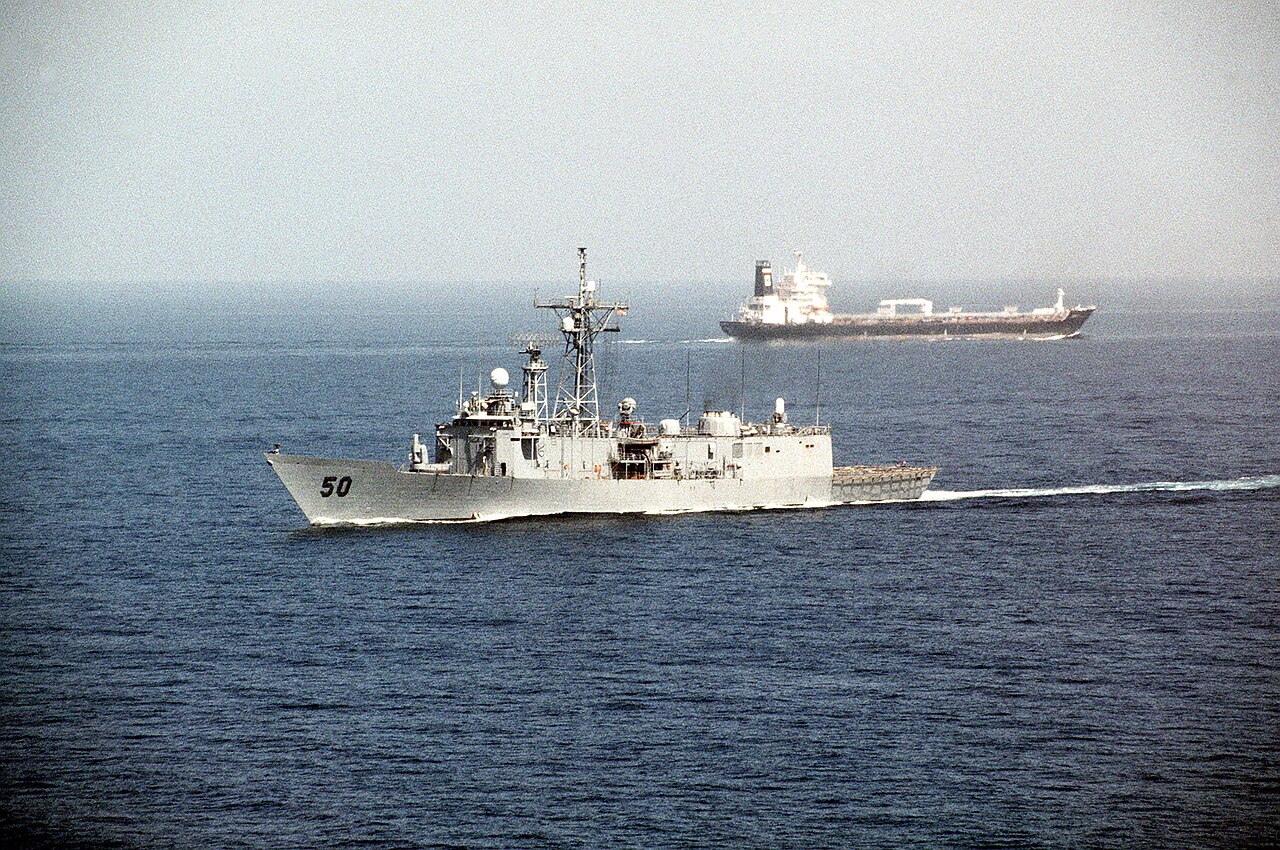
The Middle East’s expanding conflict is producing an unusual oil-market paradox: the Strait of Hormuz remains dangerous, tankers are still being attacked and regional infrastructure is under pressure, yet crude prices have fallen sharply as traders anticipate a possible diplomatic thaw and a supply glut.
That contradiction is central to understanding what comes next. Markets are pricing the possibility that the United States and Iran will restrain their attacks and restore more normal energy flows. But the physical risks have not disappeared. At least 10 ships were hit in the first 10 days of November, following 37 attacks in October, according to data cited by the Washington Institute for Near East Policy and reported by Reuters.
Why prices are falling
The immediate explanation is that traders see a greater chance of de-escalation. President Donald Trump has said he is unlikely to order new attacks on Iran while negotiations continue, while Qatar and Saudi Arabia have pressed for an end to the conflict. The United States is nevertheless maintaining a naval blockade around the strait, and attacks on shipping continue, according to Reuters.
Prices are also responding to a less dramatic but more durable force: abundant supply. JPMorgan estimated that global production exceeded consumption by 1.1 million barrels per day in September and 1.4 million barrels per day in October. Recovering Middle Eastern flows, higher output elsewhere and weak demand have combined to push the market toward surplus, Reuters reported in its energy-market coverage.
That surplus changes the political meaning of an oil shock. A disruption in Hormuz can still raise freight, insurance and regional fuel costs, but large inventories and alternative production reduce the likelihood of an immediate global supply panic. Producers, meanwhile, face competition for buyers. Middle Eastern exporters are reportedly cutting prices to defend market share as flows recover, a development Reuters described as a preview of a crowded post-conflict market in its analysis.
A fragile peace trade
The market’s optimism may be rational, but it is also exposed to political miscalculation. Iran and the United States remain far apart on the terms of a settlement, and the conflict has widened beyond their direct confrontation. Iran-aligned Houthi forces have attacked Saudi Arabia, while shipping incidents have continued in and around Hormuz. Reuters reported that tankers were burning, oil was spilling onto shorelines and drones and missiles were striking infrastructure even as prices declined.
“Softer physical markets partly justify the retreat. But shipping remains costly, fuel markets are strained and diplomatic deadlock may yet lead to a fresh escalation.”
That assessment from Reuters Breakingviews captures the gap between financial expectations and conditions on the ground. A lower benchmark price does not mean transportation has normalized. Tankers can remain technically available while owners avoid routes, demand higher premiums or wait for clearer security guarantees. The result can be a market that looks oversupplied in aggregate but remains tight for particular grades, destinations or time periods.
What the conflict means for governments
For Washington, the economic incentives favor restraint. Avoiding a prolonged campaign limits the risk of a worldwide energy shock and preserves diplomatic room for Qatar, Saudi Arabia and other regional intermediaries. Yet a blockade also carries costs: it can prolong uncertainty, threaten commercial shipping and make any future incident a test of US credibility.
For Iran, attacks on shipping and pressure around Hormuz offer leverage against the United States and its regional partners. They also risk alienating states that depend on safe maritime trade and could strengthen arguments for tighter sanctions or military action. Tehran therefore faces a familiar dilemma: escalation may improve bargaining power in the short term while worsening its diplomatic and economic position over time.
Oil-producing states face a different problem. Higher prices would provide fiscal relief, but an uncontrolled surge could accelerate demand destruction, encourage competing production and provoke political backlash. Lower prices protect consumers but squeeze exporters, particularly if they must discount crude to retain customers.
What comes next
The next phase will be determined less by the headline oil price than by three indicators: whether attacks on commercial vessels decline, whether the US blockade is eased, and whether Iran and Washington can convert exploratory contacts into enforceable arrangements. A sustained fall in shipping incidents would validate the market rally. Continued attacks would expose how quickly today’s surplus can be overwhelmed by insurance, logistics and geopolitical risk.
The most likely near-term outcome is neither a clean peace nor an immediate oil shock, but prolonged volatility. Prices may remain subdued while traders anticipate restored flows, even as regional consumers, shipowners and governments continue paying crisis-level costs. The central lesson is that supply abundance can cushion a war without making the war economically or strategically safe.
Sources: Reuters on tanker attacks and shipping risks; Reuters on oil prices and the projected surplus; Reuters on diplomacy and the US blockade; Reuters analysis of the post-conflict oil market.