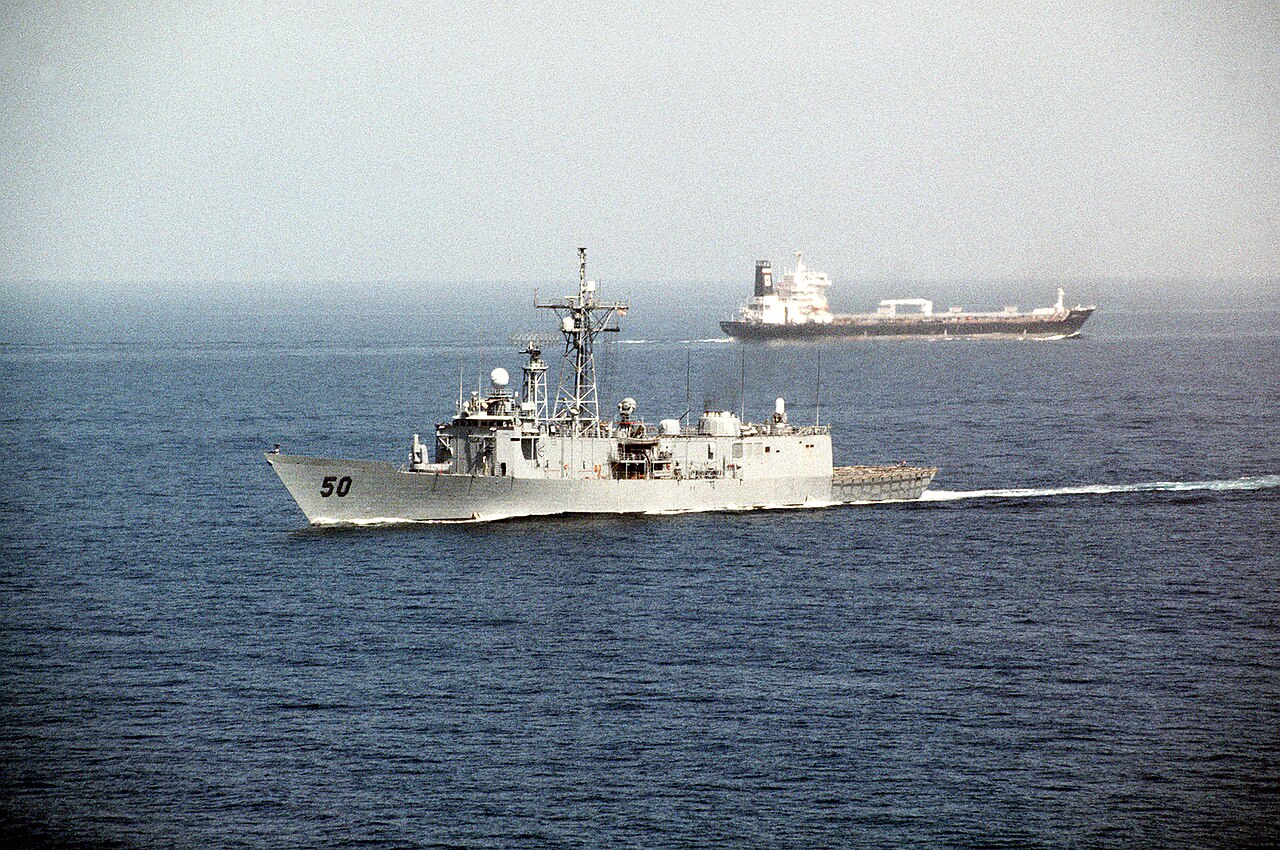
The conflict around the Strait of Hormuz has become more than a regional security crisis. With transits reportedly about 70% below pre-conflict levels and 12 vessel attacks recorded in one week, the disruption is testing the resilience of an already uneven global economy. [1]
The immediate mechanism is straightforward: fewer ships moving through one of the world’s most important energy corridors raise the cost and risk of transporting oil, gas and other commodities. The broader consequences are less predictable. Governments must choose between subsidising consumers, releasing strategic reserves, tightening monetary policy or accepting higher prices—all options that shift costs rather than eliminate them.
A shock with global reach
The International Monetary Fund projects global growth of 3.1% in 2026 and 3.4% in 2027, while headline inflation is expected to rise to 4.7% this year before easing to 4.1% next year. [2] Those figures assume that the energy shock remains manageable. A longer closure or sustained threat to commercial shipping would put that assumption under pressure.
Import-dependent economies face the most direct exposure. Higher fuel costs feed into electricity, transport, food distribution and industrial production. Lower-income countries are particularly vulnerable because energy and food occupy a larger share of household budgets, while governments have less fiscal room to cushion the increase.
The OECD has already lowered its 2026 growth projection to 2.9%, citing the effects of the Middle East conflict. Its assessment says government support, alternative commodity inputs, additional energy supplies from outside Gulf economies and oil-reserve drawdowns have softened the initial blow. [3] That resilience, however, depends on the disruption remaining temporary and on substitute supplies being available at tolerable cost.
Why policy choices are difficult
Central banks face a familiar but dangerous dilemma. If higher energy prices pass into wages and broader inflation expectations, interest-rate increases may be needed to prevent a temporary shock from becoming persistent. But tighter credit would also weaken investment and consumption at a time when conflict is already reducing confidence.
Fiscal intervention presents its own trade-offs. Price caps and fuel subsidies can protect households quickly, but they are expensive and may encourage consumption precisely when supply is constrained. Releasing strategic reserves can calm markets, yet reserves are finite and cannot replace secure shipping routes.
For governments, the political pressure is immediate. Voters tend to experience energy inflation as a failure of national protection, even when the cause is external. Leaders may therefore prioritise visible short-term relief over measures—such as demand reduction, infrastructure upgrades and coordinated diplomacy—that offer less immediate political reward.
“The global economy remains resilient despite mounting challenges, but the outlook is becoming increasingly uneven across countries.” [4]
Security, sanctions and diplomacy
The crisis is also complicating the use of economic coercion. Washington has imposed sharply higher duties on Russian goods and threatened additional tariffs on major buyers of Russian oil and gas, while temporarily waiving some tariffs and sanctions under a new Russia sanctions law. [1] European leaders have criticised the decision to lift sanctions on Russian diesel and called for stronger measures against Moscow.
This tension exposes a central contradiction: governments want to punish adversaries and reduce strategic dependence, but abrupt restrictions can remove supplies from markets and intensify inflation. Energy security and foreign-policy leverage are therefore pulling in opposite directions.
Supporters of tougher sanctions argue that accepting economic risk is necessary to deter attacks and prevent energy dependence from financing hostile states. Critics counter that poorly coordinated restrictions can punish consumers, fracture allied policy and push trade toward less transparent channels. Both arguments gain force when shipping is already threatened.
What comes next
The next phase will depend on three variables: whether attacks continue, how quickly alternative routes and suppliers can scale up, and whether major powers establish a credible security arrangement for commercial vessels. A short disruption could leave a temporary inflationary mark. A prolonged crisis would more likely produce weaker growth, higher public debt and renewed pressure on central banks.
The shock may also accelerate the clean-energy transition, but not automatically. UN Secretary-General António Guterres has called for tripling renewable capacity, doubling the rate of energy-efficiency improvement, faster electrification and sharp methane cuts. [5] Those measures reduce exposure over time, yet building grids, storage and renewable generation requires capital that war and high interest rates make more expensive.
The most durable response is therefore likely to combine narrowly targeted household support with investment in efficiency, diversified supply and safer transport corridors. The Hormuz crisis is not simply a test of oil markets. It is a test of whether governments can manage security, affordability and decarbonisation without treating any one of them as an afterthought.