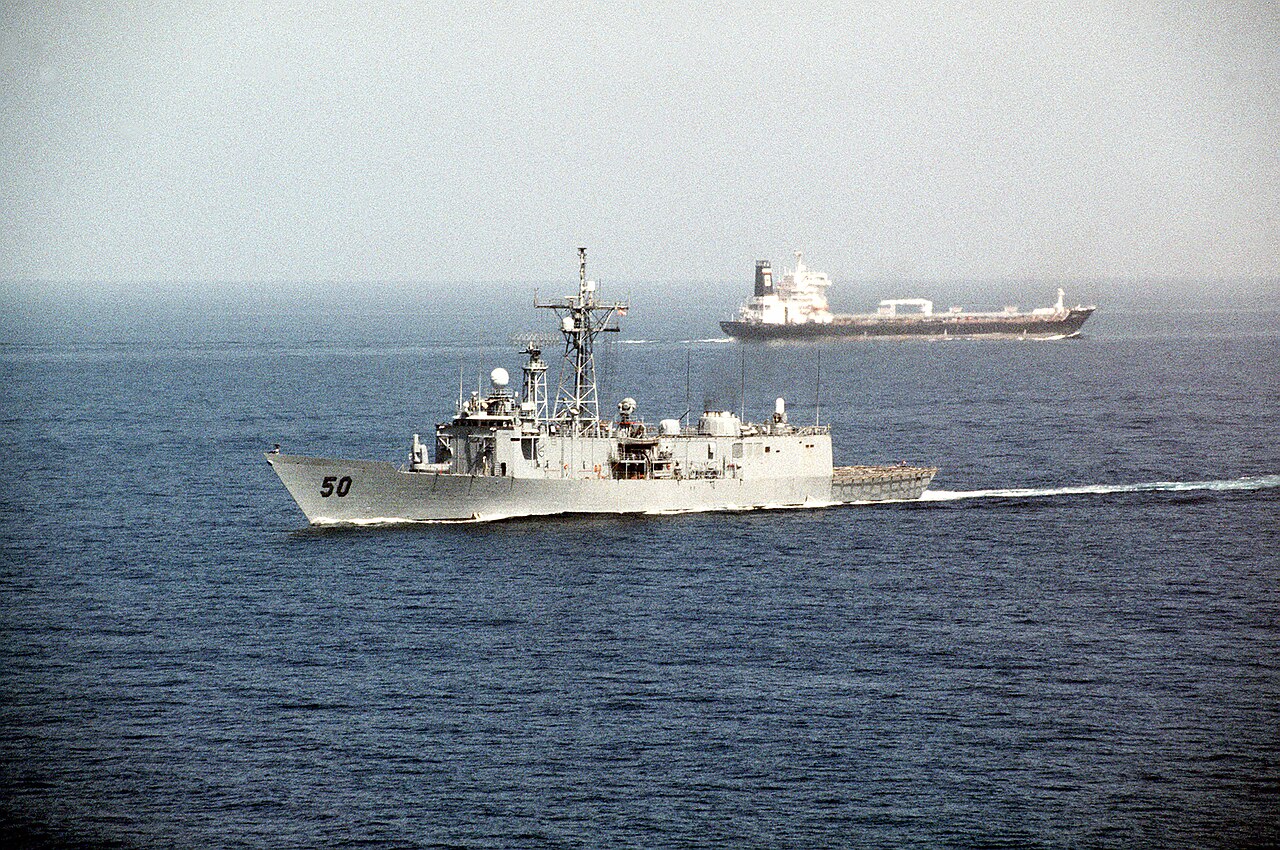
The United States and Iran have entered a precarious middle ground: major American combat operations have eased, but neither diplomacy nor deterrence has produced a durable settlement. President Donald Trump has indicated that Washington may hold off on further attacks unless Tehran or Iran-aligned forces provoke a new crisis, while maintaining economic pressure and a naval blockade. The result is not peace, but a costly pause.
The immediate stakes are regional. Iran-backed Houthi forces have pushed Saudi-backed fighters away from the Bab el-Mandeb Strait toward Aden, according to Reuters, while Iran has launched drones at US facilities in Bahrain, home to the US Fifth Fleet. The developments widen the conflict’s geography and test whether Washington’s effort to contain Iran can prevent its partners and proxies from exploiting the lull. Reuters reported on the battlefield setbacks.
Why the pause is not de-escalation
Washington’s strategy appears designed to combine coercion with restraint. US officials have told allies that sanctions and the naval blockade are damaging Iran’s economy and limiting its ability to finance regional partners. Secretary of State Marco Rubio has presented that approach as an alternative to either renewed war or accepting Iranian demands, according to diplomats cited by Reuters. The diplomatic account is here.
That calculation has a logic. Military escalation risks drawing American forces deeper into a conflict that has already raised energy costs and triggered political pressure at home. Sanctions, by contrast, offer Washington time and leverage while reducing the immediate risk of casualties. US intelligence assessments cited by Reuters say the blockade and sanctions are hurting Iran and could continue to apply pressure. The report details that assessment.
But economic coercion has limits. Pressure can weaken a government without persuading it to compromise, particularly when leaders view concessions as a threat to regime survival. It can also encourage asymmetric retaliation: attacks by proxies, harassment of commercial shipping and pressure on US partners that remain below the threshold of a direct US-Iran war.
Markets are calmer, not secure
Oil prices illustrate the uncertainty. Brent crude recently fell below $90 a barrel, more than 20% below its late-October peak of $118, as investors discounted the likelihood of renewed large-scale US strikes. Yet shipping attacks have become a near-daily hazard, and Gulf producers face higher insurance, security and operating costs even while exports continue close to pre-war levels. Reuters’ market analysis describes the fragile equilibrium.
The economic effects extend beyond the oil market. The International Monetary Fund projects global growth of 3.1% in 2026 and 3.4% in 2027, but expects headline inflation to rise to 4.7% this year, largely because of higher commodity prices. The IMF says inflation should ease to 4.1% in 2027, assuming energy disruption does not worsen. The IMF forecast provides the broader context.
For consumers, the danger is asymmetrical: prices can jump quickly after an attack or blockade scare, while relief arrives more slowly. Higher energy costs also weaken household demand and complicate central-bank decisions. Reuters reported that stronger-than-expected US consumer prices had already increased speculation about a larger Federal Reserve rate rise in December. The energy and inflation risks are outlined here.
What comes next
Three paths now compete. The first is a sustained armed standoff: sanctions remain, shipping stays risky and both sides avoid attacks that would force a major US response. This may be Washington’s preferred short-term outcome, but it leaves regional allies exposed and gives Tehran incentives to test the limits.
The second is renewed escalation. A successful attack on a US base, a serious maritime incident or a major Houthi advance could make restraint politically impossible. The continuing US military buildup means the capacity for escalation remains in place even as officials emphasize de-escalation.
The third is diplomacy. Qatar has urged a political solution, and European governments have signaled support for negotiations. Yet the available reporting indicates no active US-Iran talks, while Iran’s security officials continue to reject the appearance of surrender. A negotiated outcome would require a mechanism to address sanctions, maritime security and Iran’s regional partnerships at the same time.
The central risk is that each side interprets restraint differently. Washington may see the pause as evidence that pressure works; Tehran may see it as proof that proxy warfare can impose costs without inviting invasion. Unless that gap is closed through credible channels, the current status quo will remain less a resolution than a countdown to the next provocation.