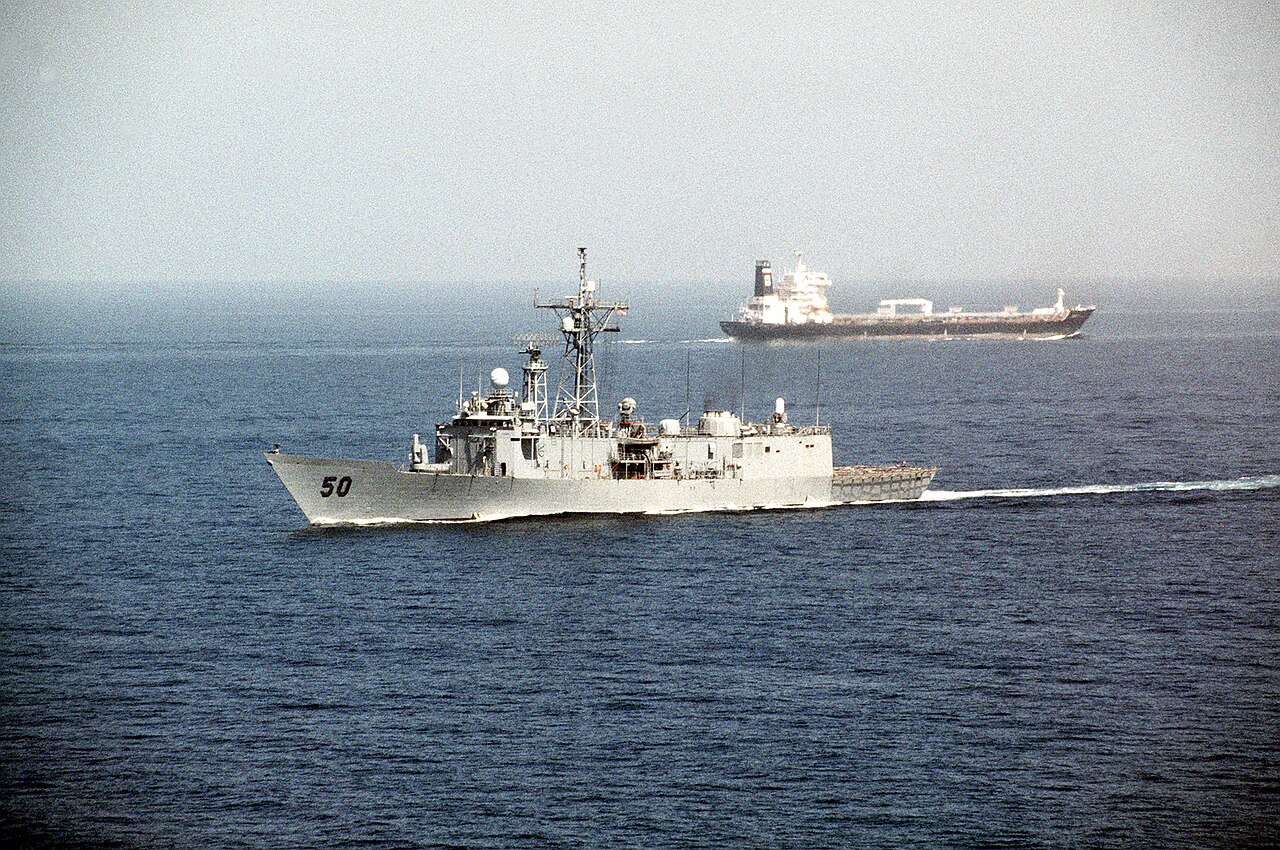
The war between the United States and Iran is no longer only a Middle Eastern security crisis. Its most consequential global effect may be economic: disruption around the Strait of Hormuz has pushed energy prices higher, strained household budgets and forced governments to balance military pressure against inflation.
Hormuz carries a substantial share of the world’s seaborne oil and liquefied natural gas. Even partial disruption therefore creates an outsized market reaction. Brent crude rose above $100 a barrel in early October as uncertainty over Washington–Tehran negotiations collided with fears of prolonged instability around the waterway. Energy-price inflation in September reached 18.8%, up from 14.3% the previous month, according to Le Monde.
Why the shock matters
The immediate mechanism is straightforward. Higher crude prices raise transport, heating and manufacturing costs, while fertilizer shortages threaten to transmit the crisis into food markets. European households and companies are already absorbing the pressure, prompting governments to expand or revive aid mechanisms. The danger is that temporary subsidies protect consumers in the short term while worsening public finances if the conflict continues.
Governments have tried to reassure markets by using strategic reserves. G7 leaders agreed to release 100 million barrels over four months, a move intended to smooth supply rather than replace normal production. Such releases can slow a price spike, but they cannot permanently offset lost exports or remove the geopolitical risk premium. The longer-term answer depends on shipping security, production decisions by major exporters and the credibility of diplomacy.
The crisis is also exposing differing national vulnerabilities. Europe is particularly sensitive to imported energy and weak industrial demand. France faces additional pressure from fiscal uncertainty: French borrowing costs neared 5% in early October, while concerns about its budget widened the gap between French and German bond yields. In the United States, the labor market has weakened enough to reduce expectations of an October Federal Reserve rate increase; the implied probability fell to about 23%, from 64% a week earlier, according to The Rio Times.
Pressure versus escalation
Washington’s strategy combines sanctions with the threat of renewed military action. The Treasury Department has targeted Iranian rail and automotive sectors as well as a Russia-linked alleged shadow-banking network, according to Anadolu Agency. Supporters argue that financial restrictions can raise the cost of Iran’s regional operations without committing to a wider war. They also contend that pressure may bring Tehran back to negotiations.
Critics see a different dynamic. Sanctions can narrow diplomatic space, encourage evasion networks and strengthen the incentives for retaliation against shipping or regional partners. A recent geopolitical assessment judged that continued economic pressure was likely to produce periodic escalation rather than a decisive settlement. That pattern would leave businesses facing repeated supply shocks even if attacks remained below the threshold of full-scale war.
The military dimension is widening. Reports that the Pentagon is preparing a third carrier strike group and additional Marine Corps ships for the region indicate that Washington is planning for contingencies beyond a single exchange. More forces may deter attacks, but they also increase the number of assets that could become targets and make de-escalation politically harder.
What comes next
Three outcomes are plausible. A negotiated reopening of shipping lanes would rapidly reduce oil’s risk premium, although sanctions and damaged infrastructure could keep prices elevated. A prolonged but contained conflict would produce recurring volatility, higher food and energy costs, and slower growth. A wider confrontation could overwhelm reserve releases and force central banks to confront the worst combination of weak demand and renewed inflation.
The global economy has shown resilience. The OECD raised its 2026 growth forecast to 2.9%, citing continued investment in artificial intelligence and stronger production in some markets, while warning that the Middle East conflict remains a major risk. The World Bank, however, expects the Middle East and North Africa region, together with Afghanistan and Pakistan, to contract by 2.1% in 2026 after growing 3.3% in 2025, according to Asharq Al-Awsat.
That contrast captures the central uncertainty. Global growth may withstand a shock that devastates particular regions, but resilience is not the same as stability. The next decisive test will be whether diplomacy can restore predictable energy flows before inflation, fiscal strain and military escalation reinforce one another.