Seven months into the United States–Iran war, the conflict is no longer only a Middle Eastern security crisis. It has become a test of how much pressure the global economy can absorb when energy routes, shipping insurance and diplomacy all deteriorate at once.
The immediate mechanism is familiar: disruption around the Strait of Hormuz raises the cost and uncertainty of moving oil and gas. The International Monetary Fund has raised its forecast for worldwide inflation in 2026 to 4.7%, from 4.1% the previous year, as the war adds to the cost-of-living pressures already confronting households. The Straits Times’ report on the IMF warning says the institution is concerned that repeated shocks are producing a lasting deterioration in affordability.
Why the Strait matters
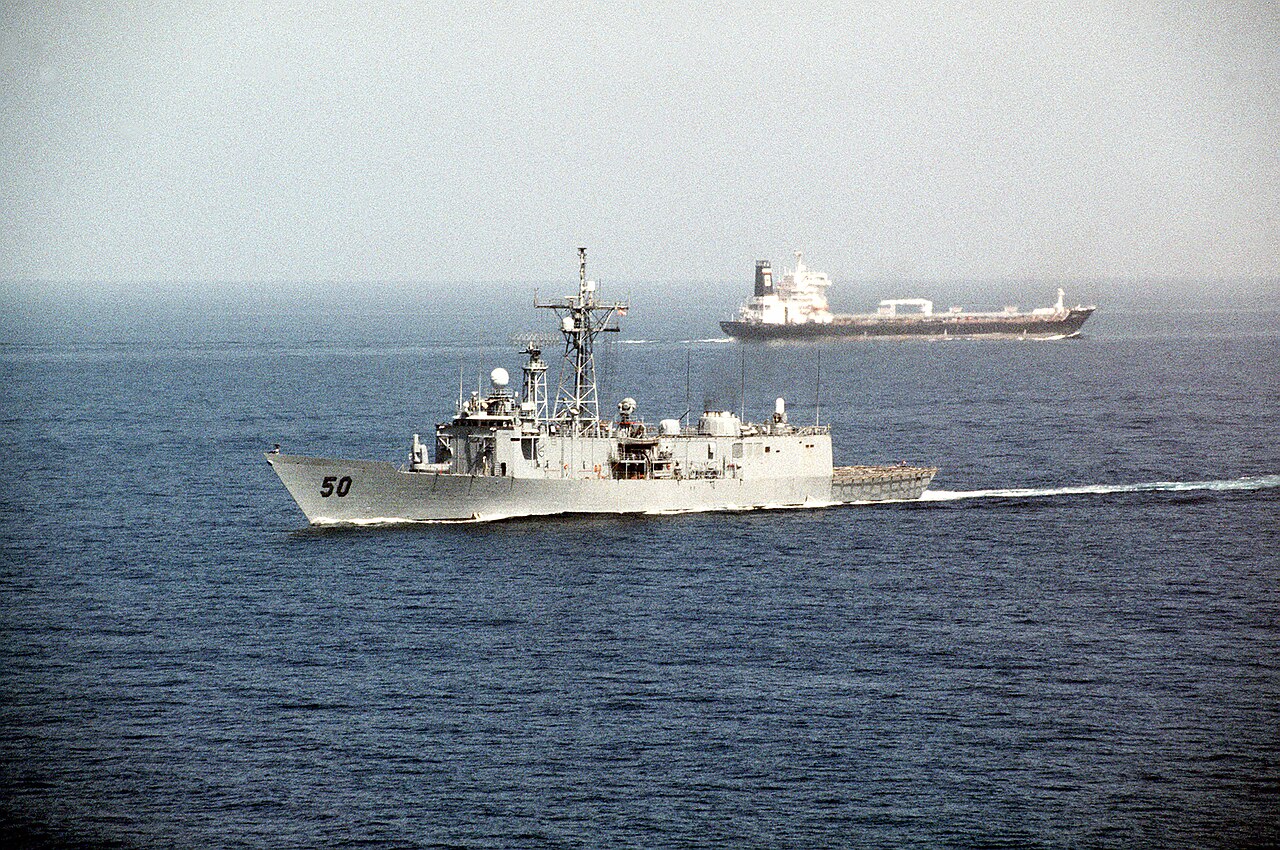
Hormuz is not merely a geographic chokepoint. It is a bargaining instrument. Any credible threat to shipping forces traders, insurers and governments to price in delay, diversion and possible military protection, even when tankers continue to move. A recent geopolitical assessment said Middle Eastern oil shipments had recovered to roughly 80% of pre-war levels, while Iranian oil shipments through the strait had stopped entirely. ZeroFox’s October geopolitical report described the result as a conflict that is neither a full blockade nor a return to normal commerce.
That ambiguity benefits actors seeking leverage. Washington can use sanctions and the threat of renewed strikes to press Tehran for concessions. Iran, in turn, can impose costs without necessarily attempting a permanent closure that would invite a wider military response and damage its own economic interests.
“The Iran war ... has pushed global inflation,” the IMF warning reported by The Straits Times said, linking the conflict directly to the affordability squeeze.
Pressure without resolution
The central contradiction is that both sides appear to be using escalation to improve their position at the negotiating table. The United States has expanded sanctions against Iranian sectors including rail and automobiles, while reports indicate that the Pentagon is preparing additional naval and Marine forces for the region as President Donald Trump considers resuming strikes after the midterm elections. Anadolu Agency reported the planned deployment, citing The Wall Street Journal.
Supporters of this approach argue that economic pressure can deny Iran resources for military operations and make negotiations more credible. Critics counter that sanctions often shift costs onto civilians, encourage workarounds and reduce the diplomatic space needed for compromise. The IMF’s affordability warning strengthens that criticism: even if sanctions are strategically effective, their social effects do not remain confined to the target government.
Diplomacy faces a similar dilemma. The United Nations secretary-general has called for an end to the war, while efforts to reopen the Strait of Hormuz remain stalled. Global Issues, citing Inter Press Service, reported that the UN sees the deadlock as a driver of wider humanitarian suffering and regional instability. Yet negotiations are difficult while each side believes battlefield pressure can produce better terms.
The wider geopolitical consequences
The conflict is also changing how Europe and other US partners think about security. European leaders say Moscow’s intensified “hybrid war” includes cyberattacks, disinformation and nuclear threats, according to The Washington Post’s world coverage. The overlap matters: governments confronting energy insecurity and Middle Eastern escalation must also protect infrastructure, supply chains and public trust against pressure from Russia and other adversaries.
This convergence could accelerate defense spending, strategic stockpiling and efforts to diversify energy imports. It could also deepen political divisions. Governments may face public demands for lower prices while expanding military budgets, a combination that is difficult to sustain if inflation remains elevated.
What comes next
The most likely near-term outcome is not a clean settlement but an unstable pattern of sanctions, limited strikes, shipping disruptions and intermittent talks. That structure allows Washington and Tehran to claim they are defending their interests, but it leaves businesses and households exposed to every new escalation.
A durable de-escalation would require more than reopening a shipping lane. It would need verifiable limits on military activity, a mechanism for sanctions relief and regional guarantees acceptable to states whose security depends on Gulf trade. Without those elements, even a temporary fall in oil prices would not remove the underlying risk.
The war’s significance therefore extends beyond the next tanker movement or sanctions package. It is testing whether economic interdependence still restrains military confrontation—or merely spreads its costs more widely.