The widening confrontation involving Iran is no longer only a security crisis in the Middle East. It is becoming an economic stress test for governments already carrying heavy debt, central banks trying to contain inflation and businesses dependent on fragile shipping routes.
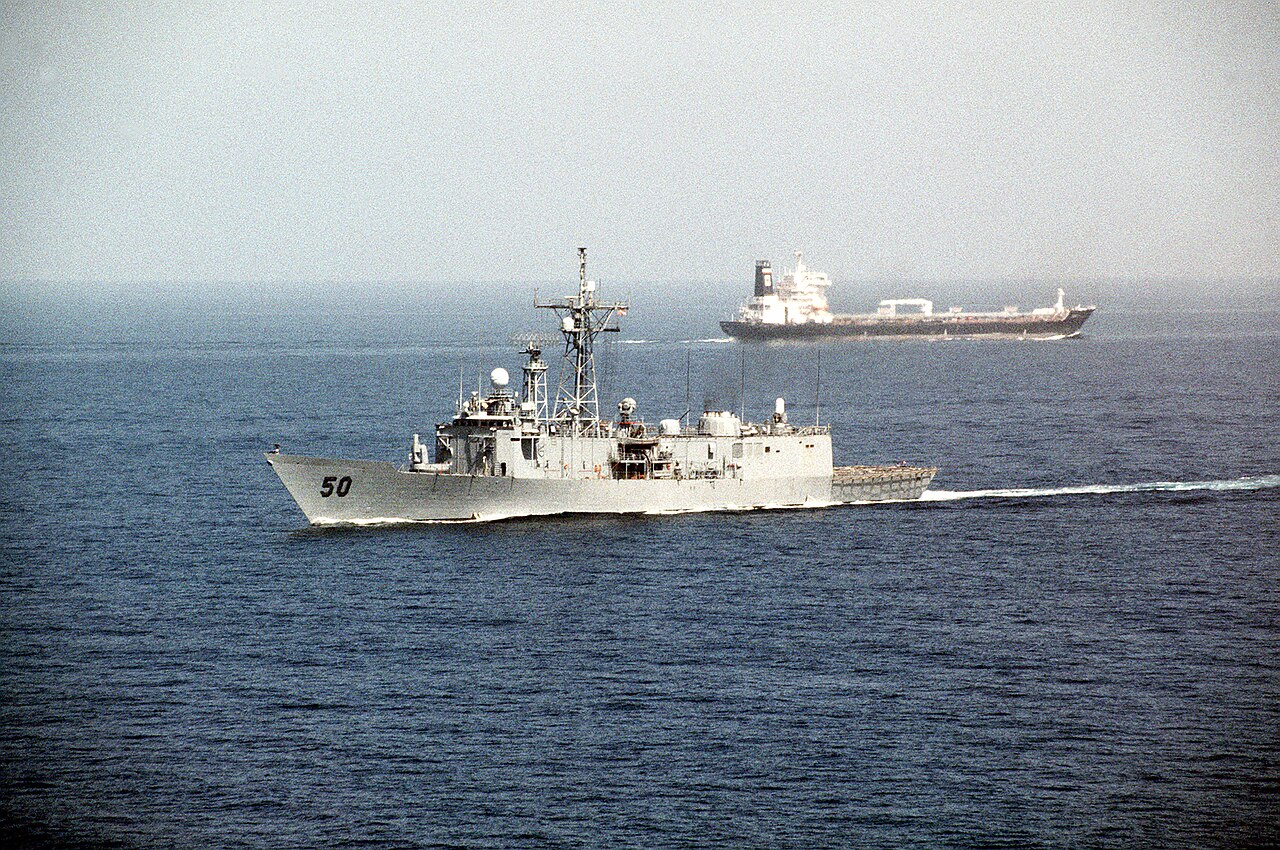
The immediate vulnerability is the Strait of Hormuz, through which a substantial share of global energy shipments normally passes. Reuters reported on October 8 that oil prices were rising as concerns over Middle East supply and shipping attacks persisted. The risks extend beyond crude: threats to Gulf gas shipments and higher insurance and freight costs can raise the price of electricity, transport and manufactured goods.
Why the shock spreads so quickly
Energy markets react not only to barrels physically removed from supply but also to the possibility of disruption. Traders price in delays, rerouting and the prospect that attacks could widen. A prolonged interruption would force tankers to take longer routes, reducing effective shipping capacity even if production continued.
Russia’s decision to extend a diesel export ban through the end of October adds another pressure point. Reuters reported that diesel prices in the United States had climbed above $6.50 a gallon amid fuel shortages and constrained deliveries linked to the Iran and Ukraine wars. Diesel is especially consequential because it powers freight, farming, construction and backup generation.
The result could be a form of stagflation: weaker growth alongside renewed price pressure. That combination is harder for policymakers than ordinary inflation because raising interest rates can restrain demand but cannot produce more oil or reopen a threatened sea lane.
Three forces, one dilemma
IMF Managing Director Kristalina Georgieva described the global economy as facing three crosscurrents: rapid artificial-intelligence investment, high energy prices and record public debt. The IMF chief said global public debt is on track to exceed 100% of world output, while oil prices were around $100 a barrel and AI hardware already represented more than 10% of world goods trade. She also said AI could eventually add up to 0.5% to annual global growth if managed effectively.
Those developments pull policy in opposite directions. AI investment may lift productivity and create new demand for equipment, data centres and electricity. But an energy shock can erode household purchasing power and raise operating costs before those gains materialize. High debt limits governments’ ability to cushion consumers with subsidies or broad fiscal packages without worsening borrowing costs.
Central banks therefore face an uncomfortable choice. Holding rates high may prevent an energy-driven price surge from becoming embedded in wages and expectations, but it could also weaken housing, investment and employment. Cutting rates would support demand, yet risk signalling that policymakers will tolerate a second inflation wave.
Competing interpretations
Officials focused on energy security argue that the priority is deterrence: protecting shipping, diversifying suppliers and preventing armed groups from turning chokepoints into leverage. Supporters of a harder line say allowing attacks to disrupt maritime trade would invite repeated coercion.
Critics counter that military escalation can produce the very supply shock it seeks to prevent. Reuters reported that Iran was preparing a broader response if the United States resumed large-scale attacks, while diplomatic efforts faced long odds. That raises the risk that temporary disruption becomes a sustained conflict involving regional proxies, commercial vessels and critical infrastructure.
Businesses and importing countries have a different priority: predictability. Even when physical supply remains available, volatile prices and uncertain delivery times discourage investment. Poorer economies are particularly exposed because fuel and food account for a larger share of household budgets, while their governments have less fiscal room to subsidize imports.
What comes next
The next phase will depend on whether diplomacy can separate the energy system from the military contest. A credible de-escalation could quickly reduce the risk premium in oil and shipping markets. Failure would make rerouting, strategic stockpiles and alternative suppliers more important, but none can fully replace the capacity and proximity of Gulf exports.
For governments, the durable response is broader than emergency price relief. It means improving energy efficiency, protecting vulnerable households rather than subsidizing all consumption, securing maritime infrastructure and restoring credible medium-term fiscal plans. It also means treating AI’s power demand as part of energy policy, not as a separate technology issue.
The central lesson is that geopolitical shocks now travel through interconnected systems. A conflict concentrated around one waterway can affect inflation, interest rates, public finances and investment decisions worldwide. The immediate question is whether the Strait of Hormuz remains a pressure point. The larger question is whether governments have enough resilience to absorb the next shock after this one.