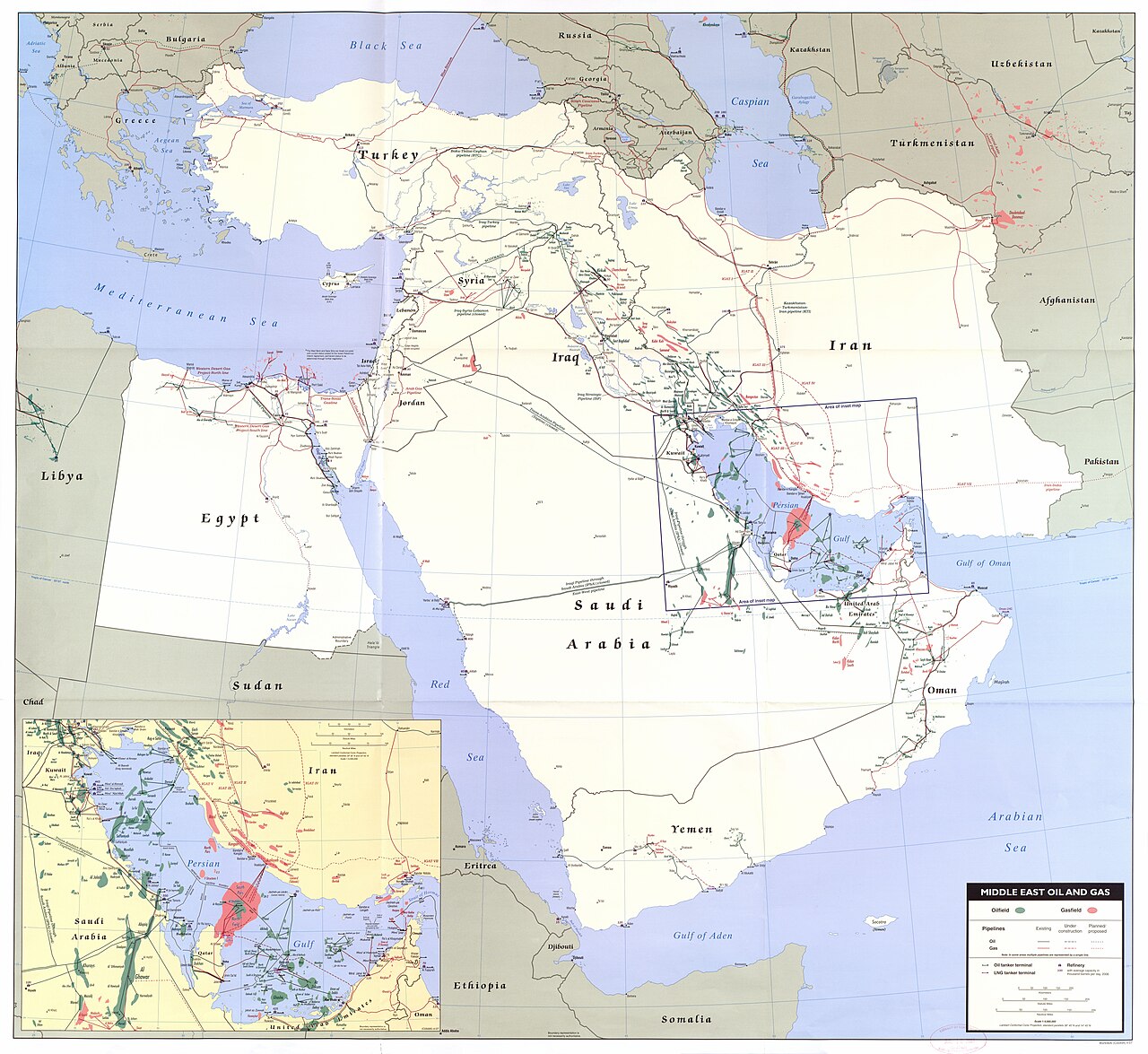
The global economy is entering a more dangerous phase: growth remains positive, but the assumptions supporting it are being tested by war, higher energy prices and an increasingly concentrated technology boom. The UN trade agency UNCTAD now expects world growth to slow to 2.6% in 2026, from 2.9% last year, as the Middle East crisis raises costs for households, companies and governments. The Reuters report on UNCTAD’s forecast says the shock is already putting global economic stability under pressure.
The headline numbers conceal a divided recovery. Asia is expected to generate 59% of global growth this year, with India expanding by 7.3%, Indonesia by 5.2% and China by 4.5%, according to UNCTAD. Yet stronger output in Asia does not mean that the benefits are evenly distributed. The World Bank has projected global growth at 2.5% and warned that emerging and developing economies face their weakest per-capita income growth since the pandemic, as reported in its 2026 research and publications outlook.
Energy turns geopolitics into inflation
The immediate transmission channel is energy. Conflict in the Middle East raises the risk of disrupted production, shipping and insurance, lifting prices even before physical supplies are lost. UNCTAD says the projected 4% increase in trade in goods and services is partly driven by higher energy prices rather than a broad improvement in economic activity. That distinction matters: nominal trade can rise while consumers’ purchasing power falls.
For central banks, the shock creates a dilemma. Higher energy costs can revive inflation at the same time that weaker real incomes reduce demand. Raising interest rates may contain second-round price pressures but deepen the slowdown; cutting rates may support activity while allowing inflation expectations to become entrenched. The OECD’s September outlook, summarized by New Zealand’s Ministry of Foreign Affairs and Trade, is more optimistic than UNCTAD, forecasting 2.9% growth in 2026 and 3% in 2027, partly on the assumption that energy prices ease next year.
AI is cushioning the shock—and concentrating risk
The second force is artificial intelligence. Semiconductor shipments and other AI-related goods are supporting manufacturing, investment and trade. The OECD-linked briefing says technology activity helped keep manufacturing just above the expansion threshold, while HSBC reports that AI-related shipments are supporting trade flows even as conflicts and debt weigh on the wider economy.
But the same boom is becoming a vulnerability. UNCTAD warns that AI-related growth may not produce broad development gains and that financial stability risks are rising as markets become more dependent on a small group of companies. If investment expectations outrun actual productivity gains, a correction in technology valuations could hit business spending, stock markets and public revenues at the same time. The International Monetary Fund is reportedly forecasting slightly stronger global growth of 3%, but has also identified war, trade fragmentation and an AI-related market correction as major risks, according to Reuters.
“Growth in AI-related trade does not automatically mean broad development gains,” UNCTAD said, according to Reuters.
Why the outlook remains contested
The disagreement among forecasters reflects different assumptions rather than a simple error margin. UNCTAD emphasizes the energy shock and uneven income effects. The World Bank focuses on weak per-capita gains in developing economies. The OECD assumes that energy pressures will moderate and that AI investment will remain sufficiently strong to support a recovery. HSBC’s market assessment is also relatively resilient, citing strong purchasing-manager surveys and consumer demand.
These interpretations imply different policy priorities. Wealthier economies can cushion households through fiscal support, strategic reserves or targeted subsidies, although such measures may worsen public debt. Lower-income countries have less room to absorb imported inflation and may face higher borrowing costs, currency pressure and reduced funds for development. A prolonged crisis could therefore widen the gap between headline global growth and lived economic conditions.
What comes next
The decisive variable is whether the Middle East conflict remains contained or develops into a wider disruption of energy and transport routes. A de-escalation would allow prices and risk premiums to fall, supporting the more optimistic forecasts. Continued attacks, sanctions or military deployments would make the 2.5%-2.6% growth range more plausible and could force central banks into an uncomfortable period of weak growth and persistent inflation.
Governments will also have to decide whether AI policy is primarily an industrial race or a development strategy. Subsidies and export controls may strengthen domestic technology industries, but concentrated gains could leave poorer countries dependent on imported hardware and vulnerable to financial volatility. The next stage of the global economy will therefore be shaped not only by battlefield events and oil prices, but by whether policymakers can convert technological investment into wider productivity and income growth.
Sources: Reuters on UNCTAD and IMF forecasts; World Bank research publications; New Zealand MFAT global economic report; HSBC macro outlook.