The widening Middle East conflict is no longer only a security crisis. Its disruption of energy flows is becoming a test of how much strain the global economy can absorb while governments are already carrying record debt and markets are pricing an ambitious artificial-intelligence investment cycle.
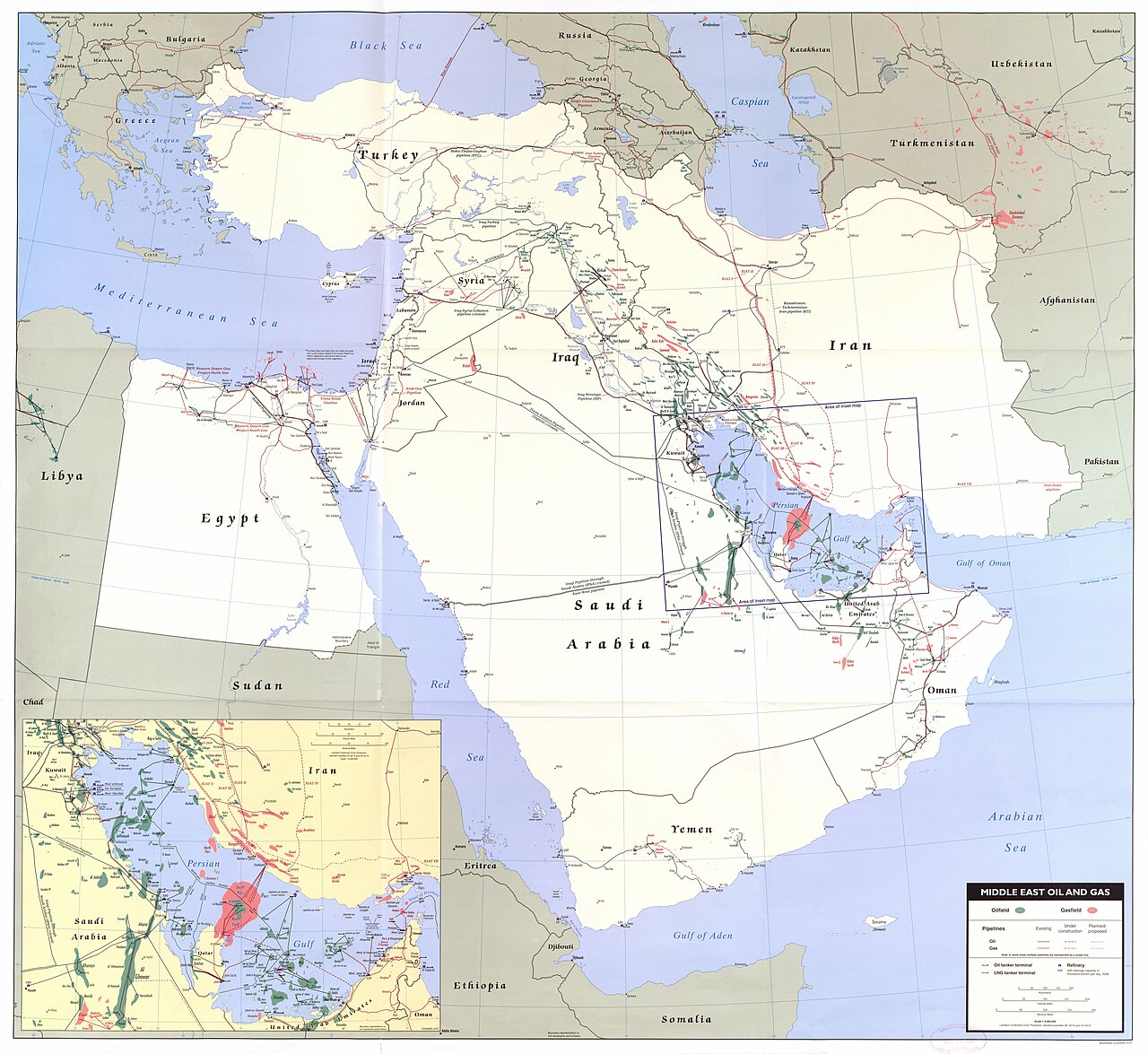
The immediate transmission mechanism is energy. Fighting involving the United States, Israel, Iran and Iran-aligned groups has put pressure on the Strait of Hormuz and the Red Sea’s Bab el-Mandeb gateway, two routes central to global oil and shipping markets. Houthi attacks have targeted Saudi Arabia, while Saudi forces have struck Houthi positions in Yemen, adding another front to the regional conflict. Reuters reported that attacks near Riyadh airport killed three people and that the fighting was disrupting shipping and Gulf energy supplies.
Why the shock matters
Energy-price increases reach households through fuel, transport and electricity, and reach businesses through nearly every supply chain. The effect is especially difficult for central banks: raising interest rates may contain second-round inflation but can also weaken investment and employment, while leaving policy loose risks allowing a temporary oil shock to become embedded in wages and prices.
IMF Managing Director Kristalina Georgieva described the world as being pulled by two opposing forces: a negative supply shock from the conflict and a positive demand shock from artificial intelligence. She also warned that public debt is at its highest level since the Second World War and could exceed 100% of global GDP before 2030. Her remarks, reported by Reuters, frame the dilemma facing policymakers: supporting consumers and strategic industries is politically attractive, but fiscal room is narrowing.
Forecasts already show the cost of a weaker and more fragmented expansion. The UN trade agency expects global growth to slow to 2.6% in 2026 from 2.9% in 2025, while the IMF’s projection remains more optimistic at about 3%. UNCTAD says trade in goods and services may still grow 4% in constant prices, but part of that increase reflects higher energy prices rather than broad-based prosperity. Its report, cited by Reuters, also projects that Asia will generate 59% of global growth, led by India, China and Indonesia.
Different economies, different vulnerabilities
Import-dependent economies face the clearest squeeze. European governments are confronting higher household bills and industrial costs, increasing pressure for subsidies or price relief. Those measures can cushion consumers, but they also add to deficits and may reduce incentives to conserve energy. Poorer countries face a sharper trade-off: expensive fuel and food can consume foreign-exchange reserves and force governments to cut spending elsewhere.
Exporters may gain from higher oil revenues, but that benefit is uneven. It depends on uninterrupted production, secure shipping and the ability to convert higher prices into public income without intensifying domestic inflation. Sanctions add another layer. The United States has imposed fresh measures against individuals, networks and 17 vessels linked to Iranian crude, oil products and petrochemicals. Reuters reported that the action is intended to increase pressure on Tehran, but sanctions can also tighten supply and encourage opaque shipping networks.
The AI counterforce
At the same time, AI is supporting demand for semiconductors, data centers and related equipment. UNCTAD identifies AI products as a major driver of merchandise trade, yet cautions that concentrated gains do not automatically translate into broad development. A small number of companies and countries may capture much of the value while electricity demand, financing needs and market exposure rise.
This creates a second vulnerability. If investors have overestimated future AI profits, a correction could hit technology shares, corporate borrowing and business investment just as governments are struggling with high interest costs. If the boom continues, its demand for power and infrastructure could add to inflation and complicate climate targets. The outcome is not predetermined: productivity gains could eventually lift growth, but the benefits will depend on competition, access to computing capacity and whether workers and smaller firms can adopt the technology.
What comes next
The next phase will be shaped less by any single forecast than by the conflict’s duration and scope. A contained disruption would allow energy markets to adjust and give central banks room to look through temporary price rises. Prolonged fighting, tighter sanctions or a sustained blockage of major shipping routes would create a more persistent inflation shock and deepen pressure on vulnerable importers.
Governments therefore face three simultaneous tasks: protect essential consumers without creating open-ended subsidies, preserve credible debt plans, and diversify energy and supply routes. Diplomacy remains the cheapest economic stabilizer, but the widening regional fronts show how limited that protection has become. The IMF and World Bank meetings in Bangkok will test whether major economies can coordinate on debt, energy security and trade while their strategic disagreements continue to intensify. Reuters reported that the war and its inflationary effects are expected to dominate the agenda.