The global economy is entering a more dangerous phase: not a single crisis, but the interaction of three. Energy prices are rising amid renewed instability in the Middle East, governments are carrying historically heavy debt burdens, and an investment surge in artificial intelligence is reshaping growth while raising fears of financial excess and wider inequality.
That combination is the central economic story of autumn 2026. IMF Managing Director Kristalina Georgieva has described the risks as a “triple whammy,” warning that an AI-related construction boom, high borrowing and energy shocks linked to conflicts in the Middle East and Ukraine could undermine global growth. Public debt, she said, is approaching levels last seen around the Second World War and is on course to exceed 100% of global output.
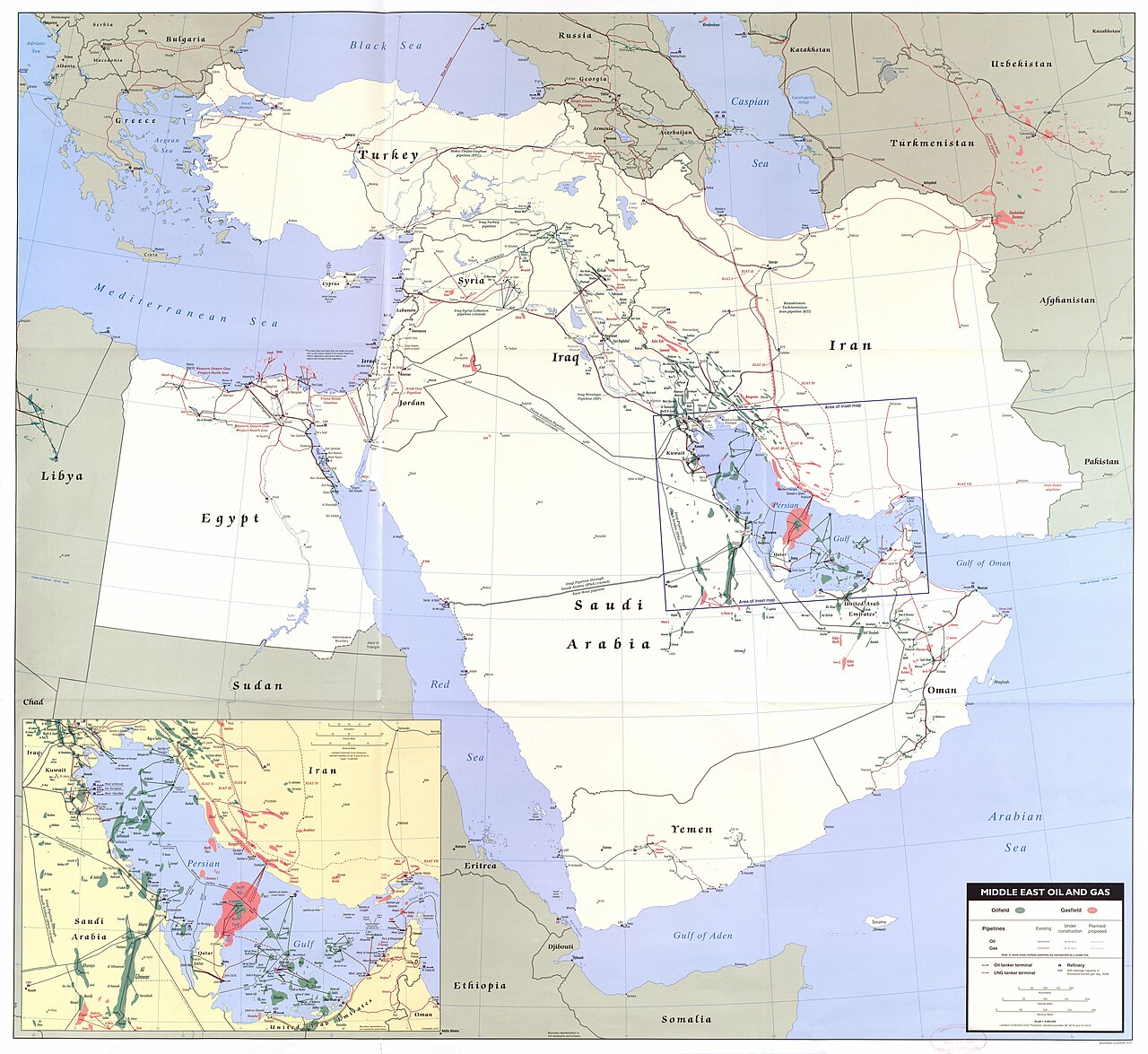
The immediate pressure point is energy. Brent crude has moved above $100 a barrel as uncertainty around Washington–Tehran negotiations raises concerns about supplies through the Strait of Hormuz, a vital route for global oil and gas shipments. Fertilizer prices have also climbed as the conflict disrupts supply chains, creating a second-round threat to agricultural output and food security.
Why the shock matters now
Higher oil prices do not affect every economy equally. Energy exporters may gain revenue, while import-dependent countries face a deterioration in their trade balance and higher costs for transport, electricity and food. Households feel the effect through fuel and grocery bills; companies face narrower margins; central banks must decide whether to tolerate inflation or keep interest rates high enough to suppress demand.
The OECD’s September outlook projected global growth of 2.9% in 2026 and 3.0% in 2027. It argued that large oil inventories, supplies from outside the Gulf and government support measures had cushioned the initial impact of the Middle East conflict. But the same assessment warned that the forecast depends heavily on whether the conflict reaches a durable resolution and whether energy prices ease next year.
That conditional optimism is important. The current shock is not yet automatically a global recession. The world economy retains buffers, including strategic inventories and producers outside the Gulf. Yet those buffers buy time rather than eliminate risk. A prolonged disruption would raise freight and insurance costs, intensify inflation and weaken real incomes.
The AI boom: engine or vulnerability?
Artificial intelligence is providing a powerful counterweight to the energy shock. Investment in data centers, semiconductors, software and electricity infrastructure has supported production and trade, particularly in the United States and parts of Asia. The International Federation of Robotics reported that the global stock of operational robots rose 9% last year to more than five million, while annual installations increased 11% to over 600,000.
Supporters see this as the beginning of a productivity cycle. Automation could help companies compensate for aging workforces, reduce dependence on fragile supply chains and lower production costs over time. Strong technology investment has also helped sustain financial markets even as bond yields remain elevated.
The opposing argument is that the benefits are arriving before the productivity gains are proven. The current building boom requires enormous capital spending, more electricity and substantial borrowing. If projected AI revenues fail to justify those investments, financial markets could reprice quickly, hitting pension funds, companies and governments that have come to rely on buoyant asset values.
“The world is traversing a critical transition between today’s AI-related building boom and tomorrow’s AI-related benefits,” Georgieva said, describing the period as one of maximum risk.
The policy dilemma
Central banks face an unusually difficult trade-off. Higher rates can prevent an energy shock from becoming embedded in wages and prices, but they also increase debt-service costs and discourage investment. Lower rates could support growth and infrastructure spending, yet risk weakening currencies and reviving inflation.
Recent data show the tension clearly. In the United States, second-quarter growth was revised upward to an annualized 2.2%, while September consumer prices were 3.8% higher than a year earlier, the highest annual rate since September 2023. In Europe, political uncertainty and concerns about France’s fiscal outlook have weakened the euro and widened the gap between French and German borrowing costs.
Governments therefore have limited room for broad subsidies. Temporary assistance may protect vulnerable households, but unfunded support can deepen debt problems and sustain demand when supply is constrained. The more durable response would combine targeted relief with energy diversification, credible fiscal plans and investment in productivity.
What comes next
The next phase will be determined by three indicators: whether oil flows through Hormuz remain reliable, whether AI investment produces measurable productivity gains, and whether governments can stabilize debt without cutting growth-enhancing spending.
A contained energy disruption would allow the OECD’s relatively resilient scenario to prevail. A prolonged crisis, however, could produce stagflation: weaker growth alongside persistent inflation. The most exposed countries would be those with high external debt, heavy energy-import bills and limited fiscal capacity.
The political consequences could be just as significant. Higher living costs tend to strengthen opposition movements, while unequal access to AI investment may widen the gap between advanced economies and developing countries. The central challenge is no longer choosing between energy security, fiscal discipline and technological progress. Policymakers must manage all three simultaneously, with fewer resources and less margin for error.