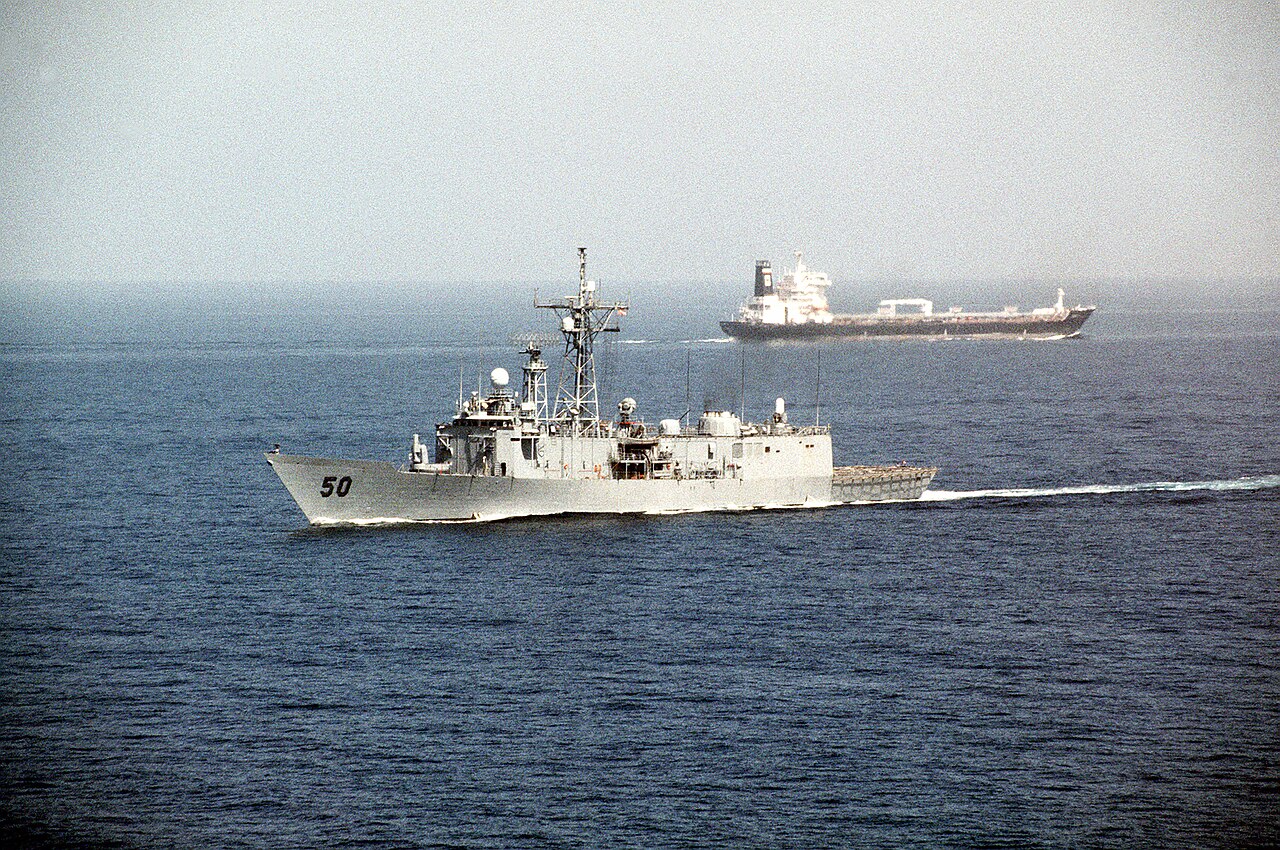
Commentary. The Strait of Hormuz is often described as a distant chokepoint. It is better understood as a test of whether governments have learned anything from the last decade of overlapping crises.
Recent attacks and threats linked to the Iran war have sharply reduced oil flows through the waterway. Reuters, citing UK Maritime Trade Operations and Kpler data, reported that attacks on ships reached a weekly record and that exports had fallen from about 17 million barrels a day in early October to roughly 11 million. Oil prices moved above $109 a barrel. Reuters reported these developments.
Our view is straightforward: the answer cannot be another cycle of short-term panic, strategic petroleum releases and promises to produce more fossil fuel. Those measures may cushion an immediate shock, but they do not make the system safer. They leave consumers exposed to a narrow maritime route, geopolitical brinkmanship and an energy market that can transmit conflict into household bills within days.
The case for emergency supply
There is a serious counter-argument. Oil remains embedded in transport, manufacturing, agriculture and defense. A government that refuses to expand supply during a disruption risks amplifying inflation and damaging people who have the least room in their budgets. Canada’s government, for example, is betting that a new pipeline can increase production and exports while reducing dependence on the United States, according to Reuters. The pipeline strategy reflects a genuine security concern.
Nor can renewable power replace every barrel overnight. Aircraft, shipping and heavy industry still need fuels and technologies that are not easily substituted. An editorial that pretends otherwise would be less principled than performative.
But emergency supply is not the same as resilience. New pipelines and wells take years, while geopolitical shocks can arrive in hours. They may also lock capital into infrastructure that becomes less competitive as electric vehicles, clean power and efficiency improve. The practical question is not whether oil will disappear tomorrow; it is whether governments should spend scarce public money making tomorrow’s vulnerabilities larger.
Resilience is the better security policy
The more durable response is diversification: stronger grids, renewable generation, storage, public transit, efficiency standards and industrial processes that use less oil. This is not merely a climate agenda. It is an insurance policy against war, blockade and price manipulation.
The United Nations climate technology process has recently emphasized early-warning systems, digital tools, industrial decarbonization and support for developing countries. The UNFCCC says its technology committee is working on implementation barriers, capacity and finance. These themes matter because resilience depends on institutions and infrastructure, not slogans. A solar panel is useful; a reliable grid that can absorb it is transformative.
The transition also carries risks. Mining critical minerals can damage ecosystems and expose workers to exploitation. Manufacturing is concentrated in a small number of countries. Poorer states may be asked to decarbonize without receiving the financing or technology they were promised. These objections should shape policy, not be used to preserve dependence on a single fossil-fuel route.
That means a credible program must include transparent mineral supply chains, recycling, worker protections and financing for emerging economies. It must also protect consumers during the transition through targeted rebates and efficiency upgrades, rather than broad subsidies that reward the highest users.
Choose the future before the next shock
The Hormuz crisis will eventually ease, whether through diplomacy, deterrence or exhaustion. Iran has urged Washington to accept a proposal to reopen the strait, while attaching conditions including sanctions relief and an end to hostilities, Reuters reported. The diplomatic offer remains part of the dispute, not a settled solution.
Governments should therefore use the present shock to set measurable resilience targets: reduce oil demand, expand non-fossil electricity, modernize grids and coordinate emergency reserves with allies. Those steps will not end geopolitical risk. They will reduce its power over ordinary lives.
Our newsroom’s position is not that fossil fuels can be switched off by decree. It is that dependence on a vulnerable chokepoint is a strategic choice, and continuing to deepen it is poor statecraft. Security policy should prevent the next price shock—not merely explain it after it arrives.