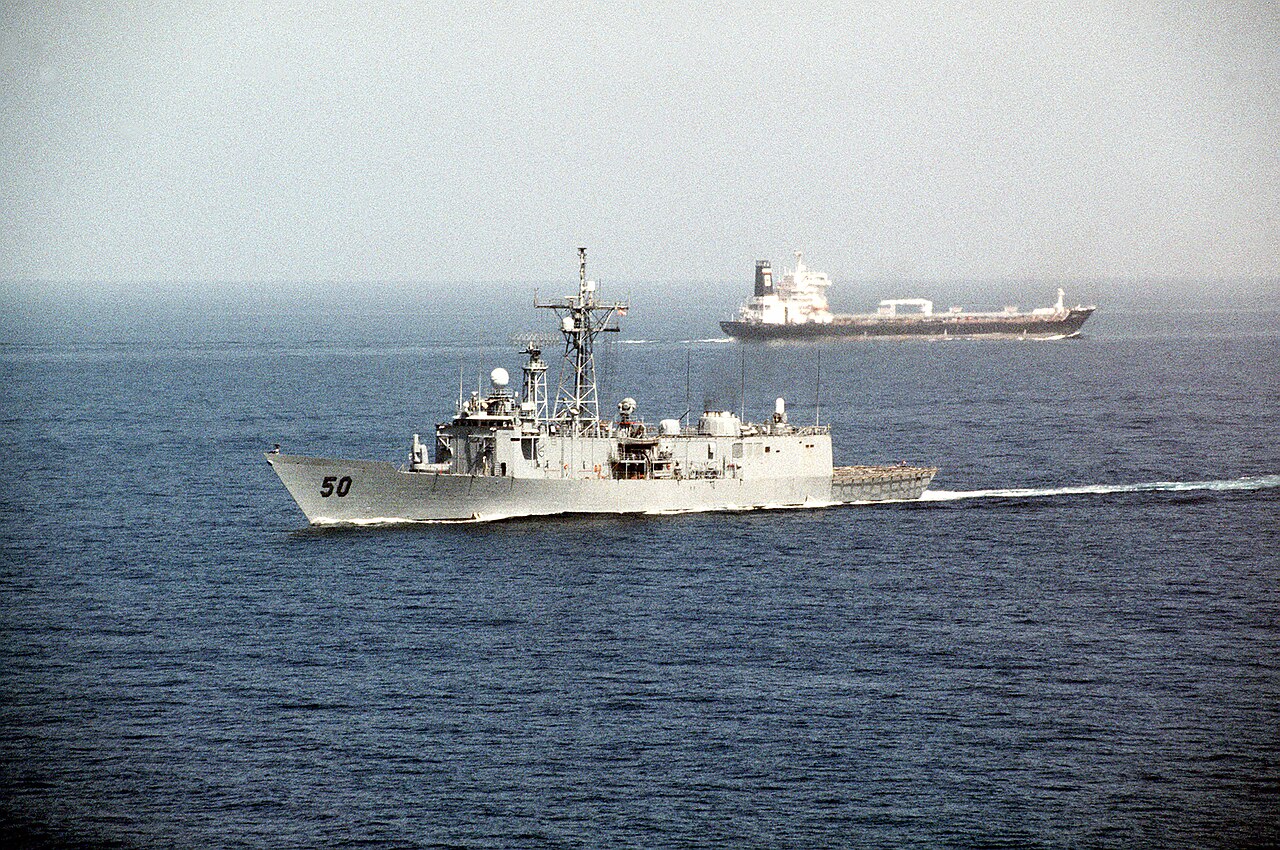
The disruption around the Strait of Hormuz has transformed a regional war into a global economic test. The waterway is a key route for Middle Eastern fuel exports, and its instability has helped push energy-price inflation in Europe to 18.8% in September, up from 14.3% a month earlier, according to Le Monde. The immediate question is how long the shock lasts. The larger one is whether governments can contain inflation without deepening the slowdown already visible in major economies.
Why the chokepoint matters
Hormuz is difficult to replace quickly because pipelines, ports and tanker routes elsewhere lack equivalent capacity. Even when ships continue moving, the threat of attack raises insurance, security and freight costs. A tanker was struck by an unidentified projectile while transiting the strait, causing a small fire and blackout, according to the United Kingdom Maritime Trade Operations, as reported in an October 3 briefing.
That risk premium spreads well beyond crude oil. Higher transport and fuel costs affect electricity generation, chemicals, aviation, food distribution and household heating. Europe is especially exposed because its economy remains dependent on imported energy and because higher prices arrive while borrowing costs are already elevated. French interest rates approached 5% in early October, while companies faced pressure on margins and governments expanded aid measures, Le Monde reported.
Governments choose between relief and restraint
The first coordinated response has been to increase supply. G7 leaders agreed to release 100 million barrels from emergency reserves over four months, according to Anadolu Agency. Such releases can calm markets and buy time, but they cannot permanently replace disrupted exports. Their effectiveness depends on the scale and duration of the outage, as well as on whether traders believe further diplomatic or military escalation is likely.
Governments also face a political dilemma. Subsidies, tax cuts and price ceilings can protect households, but they shift costs onto public budgets and may weaken incentives to reduce consumption. Allowing prices to pass through preserves fiscal space and encourages conservation, yet it risks worsening inequality and provoking public anger. The choice is particularly difficult in Europe, where euro-area inflation accelerated to 3.8% in September from 3.2% in August, according to the flash estimate cited by Anadolu Agency.
Inflation meets a weaker labour market
The energy shock is arriving alongside signs of softer growth in the United States. The economy added 29,000 jobs in September and unemployment rose to 4.2%, according to figures from the Bureau of Labor Statistics cited in the same briefing. That combination—higher prices and weaker hiring—narrows the room for central banks. Cutting rates could support demand but risk embedding inflation; keeping rates high could restrain prices while increasing recession risks.
Europe faces a similar trade-off, with an additional vulnerability: energy-intensive manufacturers may relocate production or reduce output if the disruption persists. Supporters of emergency assistance argue that temporary intervention can prevent permanent industrial damage. Critics counter that broad subsidies reward high consumption and delay investments in efficiency, storage and alternative energy.
The geopolitical endgame
The economic response cannot be separated from the security crisis. The United States was reportedly preparing additional naval forces for the region, while Washington also imposed new sanctions on Iranian sectors and a Russia-linked alleged shadow-banking network, according to Anadolu Agency. Those steps may seek to deter further attacks, but they also increase the risk that commercial shipping becomes entangled in military escalation.
Iran’s position is central to the next phase. A Reuters report carried by Arab News said Tehran would not reopen the strait until unspecified conditions were met. That leaves markets sensitive to every diplomatic statement and incident at sea. A negotiated security arrangement could lower prices rapidly; a prolonged closure or repeated attacks would create a deeper supply shock, with poorer importing countries likely to suffer first.
What comes next
In the short term, governments will try to combine reserve releases, targeted household support and naval protection. Over the medium term, the crisis is likely to accelerate investment in strategic fuel stocks, alternative shipping routes, renewable power and energy efficiency. Those measures reduce vulnerability, but they require years and substantial capital.
The central lesson is that energy security is not simply a question of producing more fuel. It depends on safe trade routes, credible diplomacy, resilient infrastructure and policies that protect consumers without making economies permanently dependent on emergency support. Until traffic through Hormuz becomes reliably secure, the conflict will continue to function as both a geopolitical crisis and a referendum on the world economy’s ability to absorb shocks.
Sources: Le Monde; Le Monde World Economy; Anadolu Agency, October 3, 2026; Anadolu Agency, October 2, 2026; Reuters via Arab News.