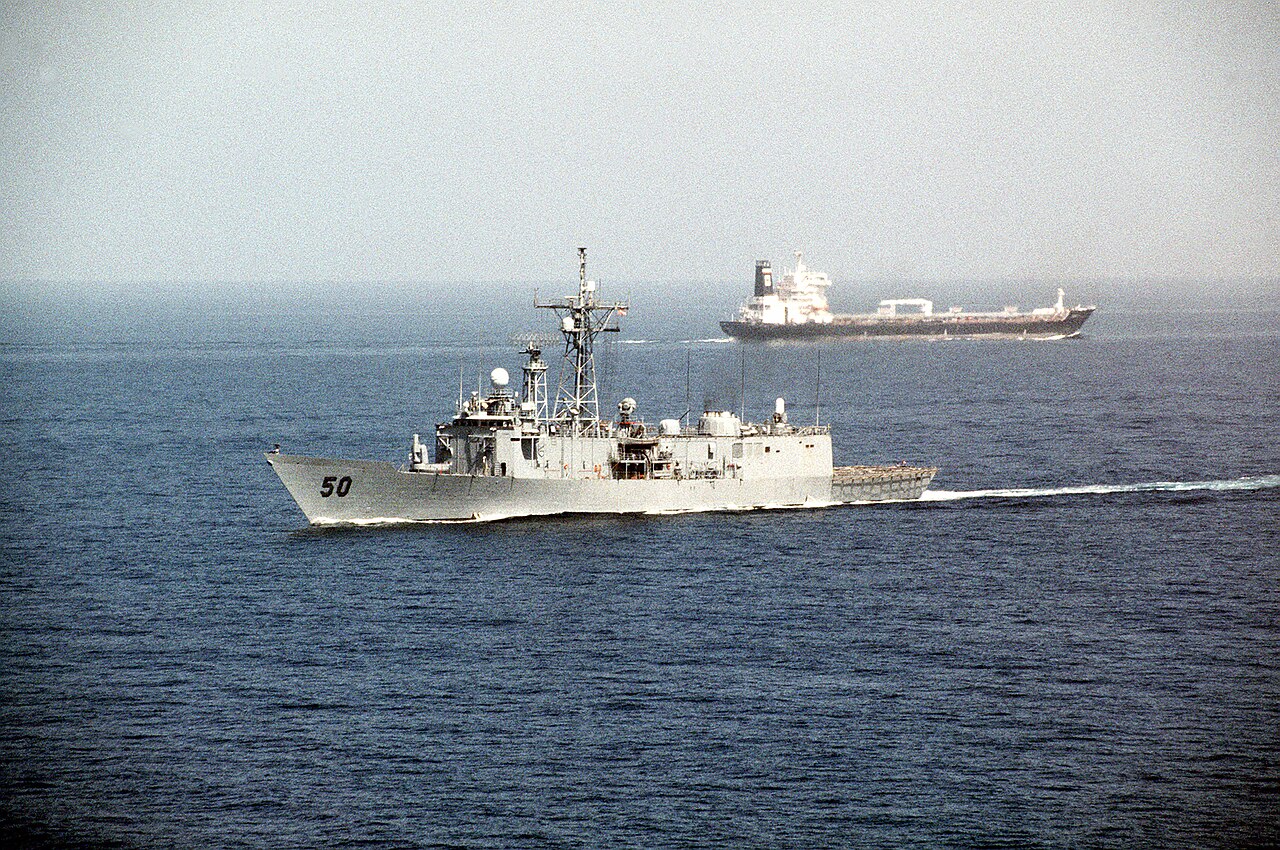
The widening US-Iran conflict has turned the Strait of Hormuz from a strategic chokepoint into the central economic risk of the autumn. The waterway carries a major share of global oil and gas trade, and disruption there has already pushed energy-price inflation sharply higher, with the rate reaching 18.8% in September from 14.3% a month earlier, according to Le Monde.
The immediate effect is familiar: more expensive fuel raises transport and production costs, squeezes household budgets and threatens to slow economies that had begun adapting to earlier shocks. The less visible effect is political. Governments must choose between subsidizing consumers, releasing strategic reserves, tightening monetary policy or allowing prices to pass through. Each option shifts the cost elsewhere.
Why the chokepoint matters
Hormuz is difficult to replace quickly because pipelines and alternative shipping routes cannot absorb all the oil and gas normally moving through the strait. The conflict has disrupted fuel supplies from the Middle East and pushed oil prices to new highs, weighing on European households and corporate profit margins, the economic coverage of Le Monde reports.
That exposure is uneven. Import-dependent countries face the fastest hit to consumers, while energy exporters may gain revenue but still confront higher domestic prices, shipping costs and financial-market volatility. Emerging economies also face pressure if investors move money toward US assets or if currencies weaken, making dollar-priced commodities more expensive.
Recent data suggest that the shock is serious but not yet an automatic global recession. BNP Paribas said economic activity remained resilient through September, while warning that household confidence was more vulnerable to energy prices and that developed-market bond-market tensions could transmit financial stress. The distinction matters: companies may continue investing even as consumers cut discretionary spending.
Inflation versus growth
Central banks face an unusually difficult choice. Higher energy prices can lift headline inflation even while weakening demand. Raising interest rates may prevent the shock from becoming embedded in wages and expectations, but it also makes mortgages, business loans and government borrowing more expensive. Holding rates steady protects growth in the short term but risks a second inflation wave.
The United States illustrates the dilemma. September employment growth was only 29,000 jobs, far below the 80,000 analysts had expected, and unemployment rose slightly to 4.2%, according to data reported by The Daily Star. At the same time, consumer spending reportedly increased 0.9%, suggesting that demand has not collapsed. Policymakers therefore face a weakening labor market without clear evidence that inflationary pressure has disappeared.
Europe is more exposed to imported energy and already faces fiscal constraints. Governments can cap prices or offer targeted relief, but broad subsidies are costly and may encourage consumption. Paris-based economic analysis has urged France to reduce its deficit rather than wait for the next presidential election, an argument that reflects a wider concern: emergency spending today can become a structural burden tomorrow.
The political economy of emergency measures
Washington is considering a ban on exporting US-produced diesel in an attempt to lower prices before midterm elections, according to Le Monde. The proposal captures the political temptation of energy nationalism: keep domestic fuel at home, even if exporters, refiners and trading partners bear the cost.
Supporters would argue that extraordinary circumstances justify intervention and that lowering fuel prices can protect households from a conflict they did not choose. Critics would counter that export restrictions distort markets, risk retaliation and may reduce incentives to maintain refining capacity. Europe’s agreement to release diesel reserves after a request from President Donald Trump shows how quickly energy policy is becoming intertwined with electoral politics and alliance management.
The conflict also complicates the long-term transition away from fossil fuels. High oil prices can accelerate investment in electric vehicles, renewables, storage and grids. Demand for copper, rare earths and other materials is already being driven by that transition, according to The Daily Star. But expensive energy can also make clean-technology manufacturing costlier and prompt poorer countries to delay climate investments in favor of immediate affordability.
What comes next
The decisive variable is duration. A short disruption could produce a sharp but manageable price spike, especially if reserves are released and shipping resumes. A prolonged closure would be different: it could raise inflation expectations, force central banks into a policy dilemma and deepen political pressure for protectionist measures.
Markets will watch four signals: the volume of tanker traffic through Hormuz, the spread between headline and core inflation, household confidence and government readiness to coordinate reserve releases. Diplomacy remains the cheapest solution, but the reported rejection of an Iranian offer to reopen the strait within seven days in exchange for sanctions relief and renewed nuclear talks shows how distant that solution may be.
The broader lesson is that energy security is no longer separable from monetary policy, public finances or electoral strategy. The crisis is testing whether governments can share costs transparently—or whether each will pursue national fixes that make the global shock harder to contain.