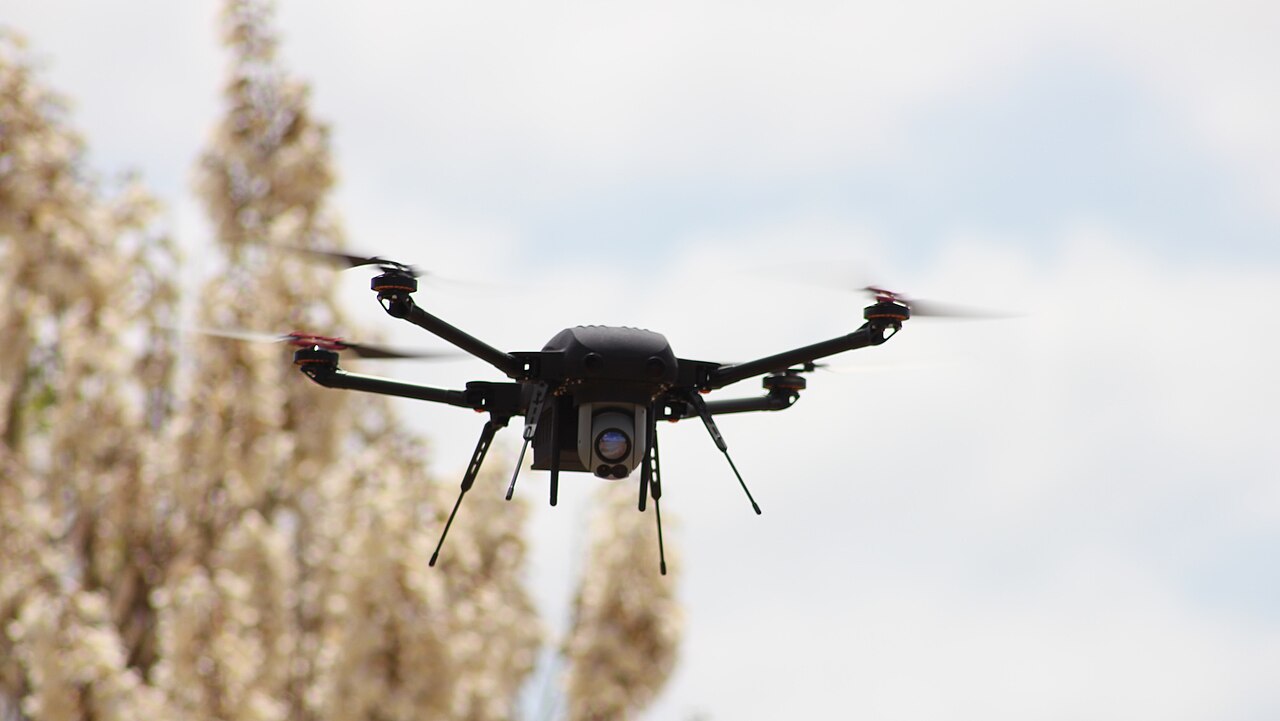
Commentary. The world has just bought itself two more years to discuss machines that may one day select and attack human targets with limited or no meaningful human intervention. That is not a diplomatic breakthrough. It is a warning.
At U.N.-backed talks in Geneva, countries agreed to continue working toward a possible accord on lethal autonomous weapons systems by 2028. They did not agree to the binding restrictions sought by the U.N. secretary-general, numerous governments and civil-society groups. The result was a familiar compromise: preserve the appearance of progress while postponing the hardest decisions.
Our view is straightforward: weapons capable of making life-and-death decisions should remain under genuinely accountable human control. Governments should negotiate the details, but they should stop treating the principle itself as negotiable.
The case for rules now
The argument is not that every autonomous function in warfare is inherently unlawful or useless. Militaries already use automation for navigation, surveillance, missile defense and other tasks in which speed can save lives. Supporters of autonomous systems say they could reduce human exposure, improve reaction times and make targeting more precise in some circumstances.
Those claims deserve examination, not dismissal. A blanket prohibition could also create loopholes, push development into less transparent programs or deny states defensive technologies while adversaries proceed. Governments face real security dilemmas, particularly when they believe rivals are investing heavily in artificial intelligence.
But the distinction between assistance and delegation is crucial. A system that helps a trained operator interpret information is not the same as one that independently identifies a person as a target and initiates lethal force. The latter risks turning responsibility into a chain of software, contractors and commanders in which everyone can claim that the fatal decision was someone else’s.
That accountability gap is not theoretical. Autonomous systems can misclassify objects, inherit bias from training data, fail in unfamiliar environments or be manipulated by adversaries. The faster a weapon acts, the less opportunity there may be to detect an error before a civilian is killed. No after-action investigation can restore a life or reliably deter future abuse if no individual had meaningful control at the decisive moment.
Delay is not neutrality
Advocates of continued talks will say that durable arms-control agreements take time, and they are right. Definitions matter. Verification is difficult. States must distinguish prohibited weapons from systems that operate with constrained autonomy. Any treaty that is vague, unenforceable or technologically obsolete could provide false reassurance.
Yet delay is not a neutral technical choice. It allows military doctrines, procurement systems and commercial capabilities to develop before governments agree on the limits. Once institutions depend on a weapon, regulating it becomes harder. The history of arms control suggests that rules are most effective before dangerous capabilities become routine, not after a crisis forces consensus.
A credible framework need not wait for perfect definitions. States could begin by banning systems designed to make lethal decisions over people without meaningful, context-sensitive human judgment. They could require traceable responsibility, rigorous testing, incident reporting and clear rules for deployment in populated areas. They could also establish national reviews and international transparency measures without disclosing sensitive operational details.
Security without surrendering judgment
The counterargument that restrictions might weaken national security should be answered with enforceable, reciprocal standards—not used to avoid standards altogether. Human control does not mean a person must manually approve every defensive action in real time. It means a responsible human authority must understand the system’s limits, set the conditions of use and remain able to intervene or halt operations.
That standard would protect soldiers as well as civilians. It would reduce the risk that an automated error escalates a conflict, and it would preserve a basic principle of law and morality: force is exercised by people who can be held answerable for it.
The Geneva outcome should therefore be treated as a deadline, not an excuse. By 2028, negotiators should not merely “elaborate” another possible agreement. They should deliver a binding instrument with clear prohibitions, enforceable obligations and a mechanism for updating technical rules.
Artificial intelligence may transform warfare. That makes human judgment more valuable, not less. The world has already seen enough evidence that powerful technologies can outrun public safeguards. On weapons, waiting for certainty means accepting that the first undeniable failure may be measured in bodies.