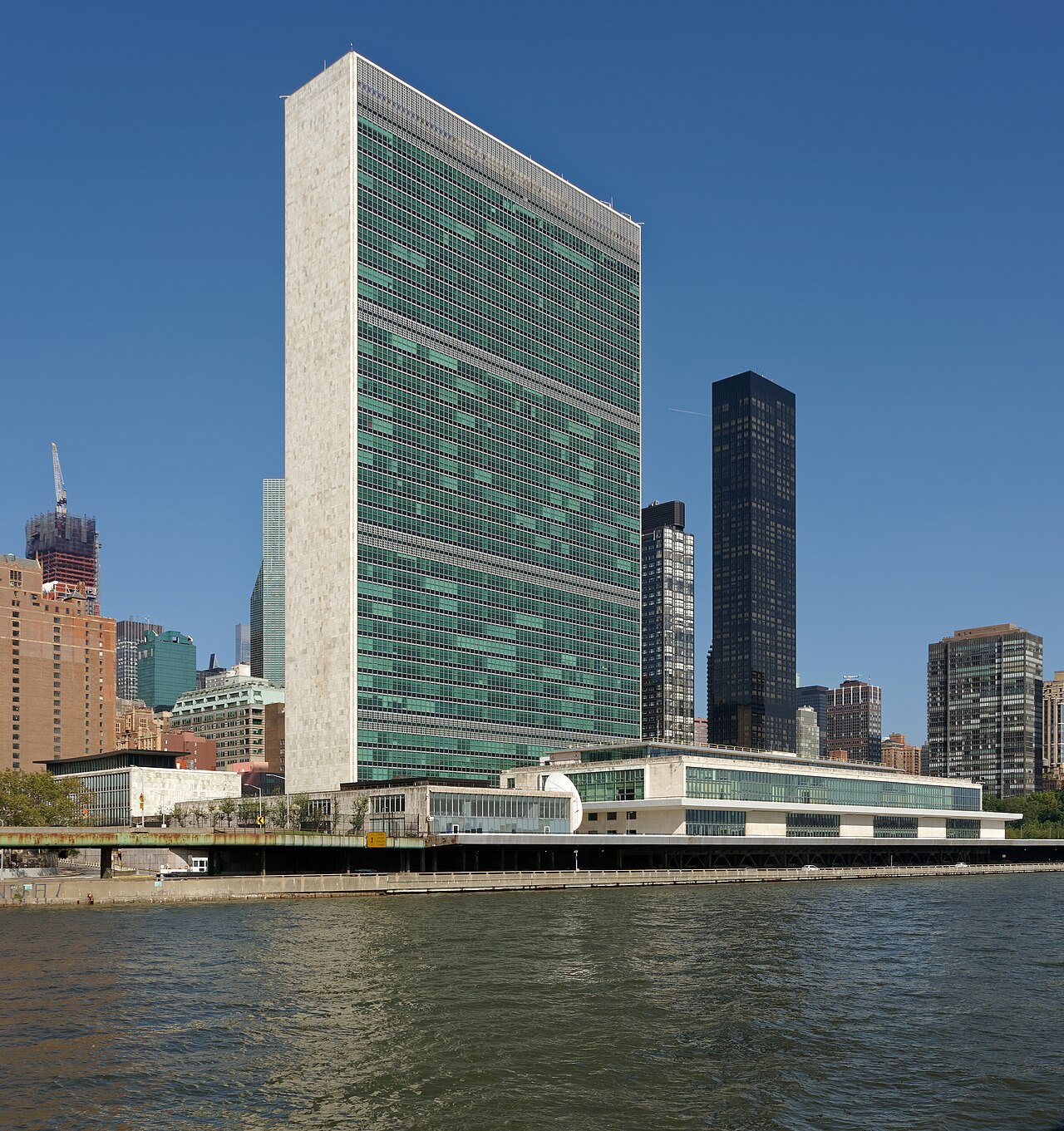
Commentary. The defining political mistake of this moment is to treat international cooperation as a luxury. It is not. When wars spread, hunger rises and climate shocks intensify, working across borders is basic infrastructure—and governments are neglecting it at precisely the moment it matters most.
The evidence is difficult to dismiss. The United Nations says acute hunger in Afghanistan has reached a record level, with 15.9 million people facing acute food insecurity. In Sudan, the risk of famine is growing in areas already devastated by war and drought. In Gaza, aid agencies are preparing for winter while attacks affecting civilians continue. These are not separate stories. They are symptoms of a world in which political decisions routinely outrun the institutions meant to limit their human cost.
Our view is straightforward: states should rebuild, fund and defend multilateral mechanisms—even when those mechanisms are slow, imperfect and politically inconvenient. That means protecting humanitarian access, supporting international justice and treating prevention as a security priority rather than an optional charitable exercise.
The case against complacency
Critics have legitimate objections. International organisations can be bureaucratic and opaque. Their resolutions are often ignored by powerful governments. Aid can be diverted, and global conferences sometimes produce ambitious language without credible enforcement. Citizens who face high living costs may reasonably ask why their governments should spend more abroad when domestic services are under pressure.
Those objections should produce reform, not abandonment. A dysfunctional fire service is not an argument for removing fire stations from a city. It is an argument for improving response times, accountability and equipment. The same principle applies internationally.
The alternative—each government acting alone—may sound decisive, but it is usually less effective against problems that cross borders. Conflict displaces people into neighbouring countries. Food and energy shocks move through global markets. Viruses travel regardless of immigration policy. Carbon emissions do not stop at national frontiers. No country can solve these challenges through sovereignty alone.
Cooperation must become measurable
Defending multilateralism does not require defending every institution in its current form. Governments should tie funding to transparent targets, publish independent audits and give affected communities a greater role in deciding how assistance is delivered. Humanitarian agencies need predictable financing rather than emergency appeals that arrive after catastrophe has begun.
International law also needs more than solemn declarations. The General Assembly’s recent political declaration on pandemic prevention passed with 153 votes in favour, but three countries—including the United States—voted against it. Such divisions show both the promise and fragility of common rules. Agreements matter only when governments accept obligations even when compliance is inconvenient.
The same test applies to climate and biodiversity policy. A new UN warning says fewer than half of national targets for protecting plants, animals and ecosystems are on track ahead of the COP17 biodiversity conference. Announcing targets without financing, monitoring and consequences is public relations, not environmental policy.
A pragmatic internationalism
There is no reason to romanticise global governance. Cooperation can be exploited by authoritarian states, and democratic governments must guard against institutions becoming detached from public consent. National governments remain responsible for protecting their citizens, and borders, budgets and elections still matter.
But responsible nationalism should not mean isolation. The practical question is whether cooperation delivers better results than fragmentation. On war relief, disease prevention, food security and climate resilience, the answer is plainly yes—provided the system is monitored, corrected and fairly financed.
At Archange Shadows, the editorial position is therefore not that every international initiative deserves support. It is that retreat is not a strategy. Governments should strengthen the institutions capable of reducing suffering, insist on accountability when they fail and resist the temptation to confuse unilateral gestures with durable solutions. In an age of shared risks, cooperation is not idealism. It is realism.