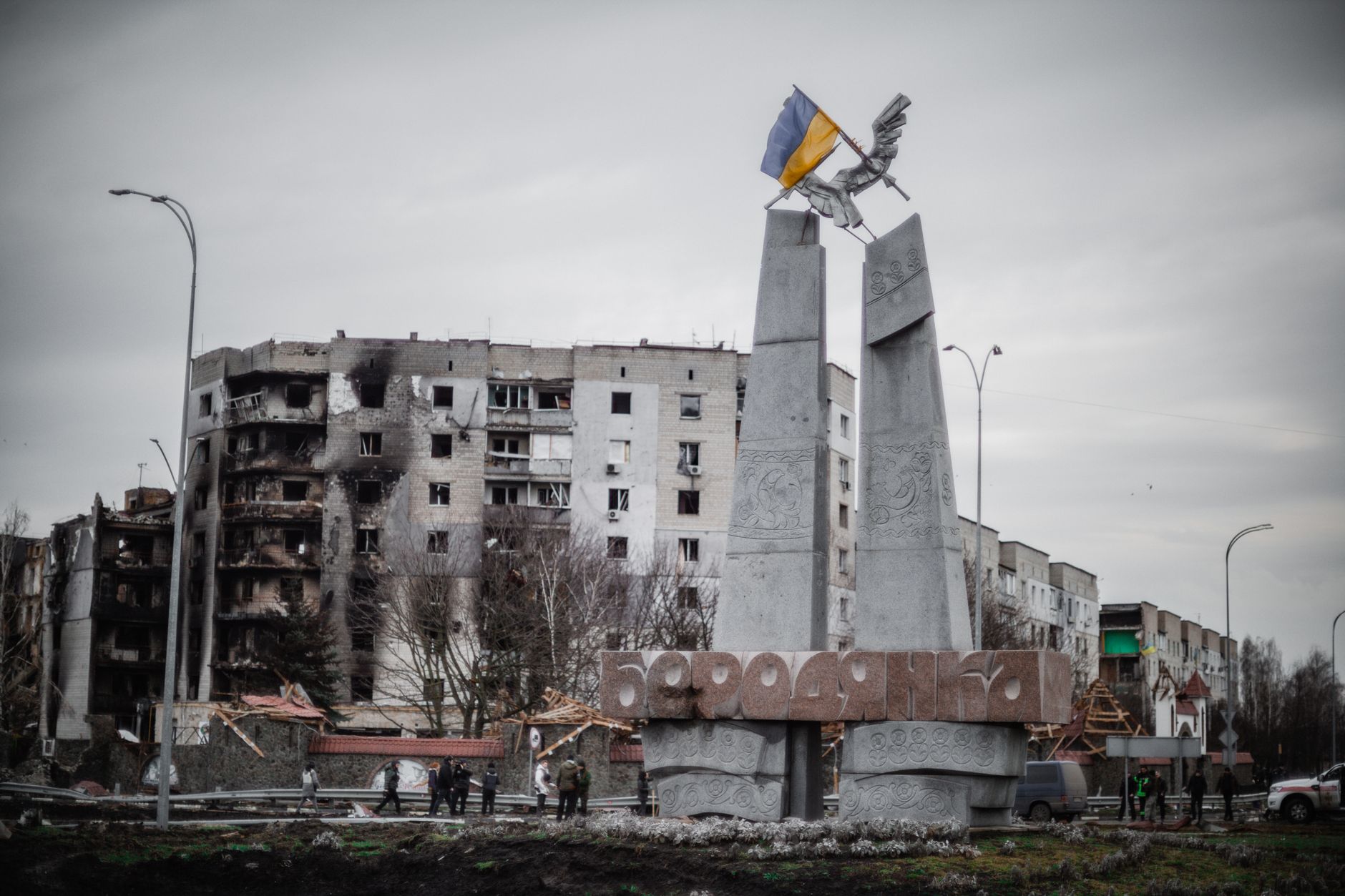
A morning of terror in Kramatorsk
At least 33 people were killed on Thursday, October 8, when a Russian glide-bomb strike hit two civilian buses in Kramatorsk, in eastern Ukraine. At least 18 others were injured, according to Ukrainian authorities and international reporting.[3][4][6] The attack has been described as the deadliest single strike in Ukraine this year.[9]
The location and timing of the attack make its human meaning impossible to obscure. These were not soldiers in a trench or weapons systems at a military installation. They were passengers using public transport in a city that has endured years of war. Buses, bus stops and ordinary streets are the fragile infrastructure of civilian life. When they become targets, the message extends far beyond the blast site: nowhere is routine, and no journey is safe.
Kramatorsk has long been a crucial Ukrainian stronghold in Donetsk. Its residents have lived under the shadow of Russian bombardment while trying to preserve the habits of a functioning society. The destruction of two buses turns that perseverance into a crime scene.
A widening assault on urban life
The Kramatorsk strike was not an isolated tragedy. Russian forces also launched a major drone assault involving approximately 160 unmanned aircraft, including around 110 jet-powered and Gerbera drones, according to Ukrainian authorities. Guided-bomb attacks in Zaporizhzhia killed at least 20 people and injured 32 more.
Kyiv, too, came under pressure. Russian attacks struck the capital’s Northern Bridge and energy infrastructure, threatening electricity and water supplies. A drone also hit a bridge during German Chancellor Friedrich Merz’s visit, an incident that underscored how rapidly the war’s danger can reach the political centre of Europe.
The pattern is clear: Russia’s campaign is not limited to the battlefield. It targets transport, power, water and the basic systems that allow a country to survive. Such attacks impose costs on civilians while testing whether international attention can remain focused after the immediate headlines fade.
The peril of transactional diplomacy
Against this backdrop, U.S. President Donald Trump announced on Friday, October 9, that Russia would supply roughly five million tons of diesel to the United States and global markets. Other reports cited an initial shipment of about 300,000 metric tons.
The announcement provoked criticism in Europe and renewed tensions with Ukrainian President Volodymyr Zelensky. The political problem is not simply the volume of fuel. It is the symbolism of discussing commercial arrangements with Moscow while Russian weapons are killing civilians in Ukrainian cities.
Energy markets matter. So do prices, supply chains and economic stability. But any arrangement that treats Russia as a convenient supplier while Ukraine absorbs the consequences of Russian aggression risks separating commerce from responsibility. That separation is precisely what Moscow has exploited for years: dependence becomes leverage, and leverage becomes permission.
A ceasefire must be mutual
On Sunday, Zelensky said Ukraine was prepared to halt attacks on Russian oil refineries if Moscow stopped striking Ukrainian energy infrastructure. His proposal came as American, Ukrainian and European officials held talks in Miami about ending the war.[1][2]
This is a reasonable foundation for diplomacy because it is reciprocal. Ukraine is not being asked to disarm unilaterally while Russia retains the freedom to attack the grid that keeps Ukrainian homes warm, hospitals functioning and cities supplied with water. Any energy ceasefire must include monitoring, enforcement and consequences for violations.
A pause in attacks on energy infrastructure could save lives. It could protect millions of civilians from winter blackouts and offer a narrow opening for broader negotiations. But a ceasefire without guarantees would merely give Russia time to regroup while leaving Ukraine exposed.
The test for the West
Ukraine’s allies now face a basic test of credibility. They must support diplomacy without confusing diplomacy with appeasement. They must pursue energy stability without rewarding aggression. And they must insist that civilian protection is not a secondary concern to be considered only when convenient.
The dead in Kramatorsk cannot be reduced to figures in a diplomatic ledger. The wounded in Zaporizhzhia, the threatened families in Kyiv and the millions living under attack are the central facts of this war.
Peace is urgently needed. But peace worthy of the name must protect Ukraine’s people, preserve its sovereignty and ensure that the party launching the attacks cannot dictate the terms of relief.