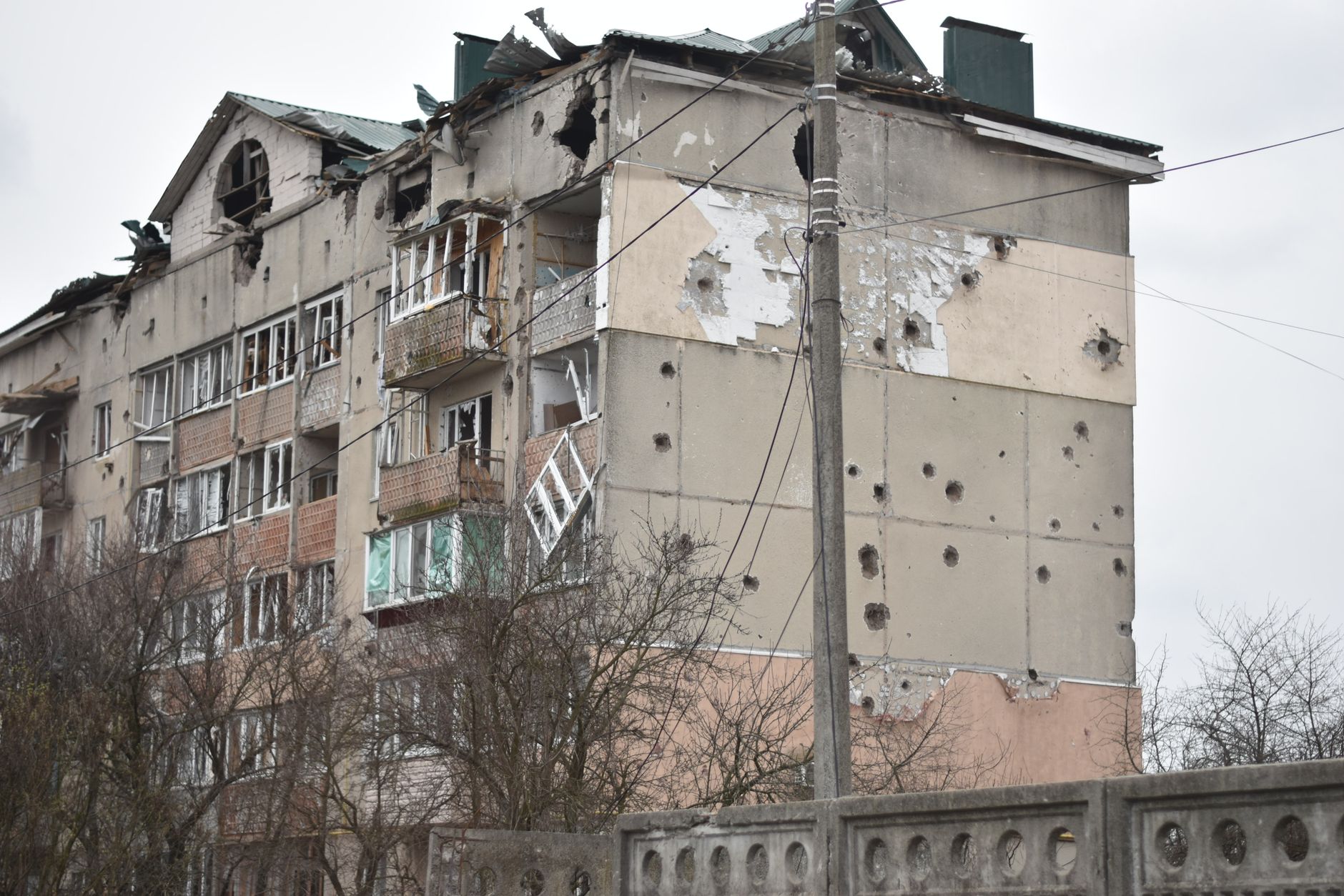
The map moves slowly, but the war is not static
The front line in Ukraine barely budged this summer, but the war itself is anything but frozen. Fighting along the contact line has been described as “largely stalled,” with both Russia and Ukraine increasingly targeting logistics networks and other economic assets rather than chasing dramatic breakthroughs.[10][12] This is the quiet, grinding phase of the conflict: fewer sweeping arrows on battlefield maps, more explosions at ports, refineries, and warehouses far from the trenches.
Russia still makes gains—but they are measured in square kilometers, not in shattered fronts. In August, Russian forces advanced or infiltrated about 123.53 square kilometers, averaging 3.98 square kilometers per day, according to the Institute for the Study of War (ISW).[20] These numbers matter less for their raw scale than for what they reveal: Moscow’s spring–summer offensive has yet to achieve operational maneuver or collapse Ukrainian defensive lines.[20] The offensive is real, the pressure relentless, but the decisive breakthrough remains elusive.
Pokrovsk and the slow squeeze around Ukraine’s east
The most recent battlefield updates underscore this pattern of incremental but persistent Russian advances. On September 8, ISW reported that Russian forces had advanced in the Pokrovsk direction and in the Kostyantynivka–Druzhkivka tactical area, highlighting geolocated evidence of gains near settlements like Myrne and Vasylivka northwest of Pokrovsk.[1][6][8][13] The following day, the same institute assessed Russian infiltration northwest of Illinivka, suggesting a creeping approach: slipping forward, probing Ukrainian lines, testing for weaknesses rather than smashing through in one decisive blow.[6][13]
For Ukraine, this is a dangerous kind of pressure. It does not produce headlines about fallen cities every week, but it erodes defensive depth and forces Kyiv to expend scarce manpower and ammunition to hold ground. Russia’s ability to keep pushing—however modest the daily gains—signals that Moscow is prepared to wage a long war of attrition, banking on time and mass over finesse.
Ukraine’s long arm: drones against Russian oil and logistics
If Russia is trying to wear down Ukraine at the front, Kyiv is trying to bleed Russia behind the lines. Over the summer, Ukraine intensified long-range drone strikes deep inside Russia, targeting the infrastructure that feeds the Russian war machine. ISW reported that Ukrainian forces hit a Russian oil refinery in Leningrad Oblast and a Wildberries logistics warehouse in Tver Oblast overnight on August 13–14, part of a wider wave of strikes that saw Russia launch 112 drones against Ukraine in retaliation.[2][3][4][7]
Other reporting from major outlets describes Ukrainian drones hitting some of Russia’s largest refineries and logistics hubs across multiple regions, with fires breaking out at ports and e-commerce warehouses.[4][9][11][14] These attacks may not change the front line overnight, but they serve a clear strategic aim: raising the cost of the war inside Russia itself, disrupting fuel supplies, and introducing uncertainty into the economic routine of a country that still tries to live as though the war is distant.
Kyiv has also focused on Russian missile capabilities. On August 23, President Volodymyr Zelensky said Ukrainian forces struck an Iskander-M ballistic missile launcher near Russia’s international border, framing the attack as part of an effort to reduce Russian missile strikes on Ukrainian cities at a time when Kyiv is short of interceptor missiles.[17] This is defensive strategy turned offensive: if Ukraine cannot easily stop every Russian missile in the sky, it will try to destroy the launchers on the ground.
The economic front: ports, grids, and warehouses under fire
The shift toward infrastructure is not one-sided. Russia has intensified its own campaign against Ukraine’s economic and logistical lifelines. Reuters reporting describes massive Russian strikes on ports, grain storage, energy and industrial sites, logistics centres around Kyiv, and distribution facilities for retailers.[10][12][15] Steelworks in Kryvyi Rih and Zaporizhzhia, oil refineries in central regions, and ports in Odesa have all been hit, underscoring Moscow’s intent to choke Ukraine’s export routes and sap its industrial resilience.[15]
In this phase of the war, ports and power plants are as much front-line assets as trenches and towns. Ukraine’s economy, already strained, must withstand attacks that aim not only to destroy physical infrastructure but to undermine investor confidence, complicate reconstruction plans, and exhaust the population’s patience.
A war defined by logistics, not illusions
The late-summer picture that emerges is bleak but clarifying. Russia advances slowly in the east, pressing toward strategic nodes like Pokrovsk and the Kostyantynivka–Druzhkivka area without achieving the sort of breakthrough that would reshape the war.[1][6][20] Ukraine, unable to match Russia shell for shell along the entire front, leans on distance, precision, and drones, striking refineries and logistics hubs deep inside Russian territory to raise the economic cost and limit Moscow’s ability to sustain its tempo of attacks.[2][3][4][7][9][11][14][17]
For outside observers—especially in London and across Europe—the temptation is to grow weary of a conflict that no longer produces spectacular shifts on the battlefield. Yet this “stalled” front line hides a war now fought increasingly in supply chains, energy grids, and industrial corridors stretching from Odesa to Tver.[10][12][15]
Ukraine’s bet is that by turning Russia’s economic depth into a battlefield, it can compensate for its own shortages and stretch Moscow’s capacity to wage war. Russia’s counter-bet is that its sheer size, resources, and tolerance for damage will outlast Ukraine’s resilience and Western support. Neither side has yet proved the other wrong. The map moves slowly; the stakes do not.