A catastrophe measured in millions
The food crisis unfolding across Sudan is no longer a distant warning. It is a present emergency, expanding through Darfur and Kordofan as war, drought and failed harvests deprive families of both food and the means to produce it.
An estimated 19.5 million people—41% of Sudan’s population—are facing acute food insecurity. Around 135,000 people are already in the most severe category, IPC Phase 5, associated with catastrophic food shortages. In North Darfur, poor vegetation growth has affected 64% of cropland, a devastating blow to communities whose survival depends on farming and livestock.[4][9]
These figures are not merely evidence of scarcity. They describe the collapse of livelihoods, markets and public protection. When fields fail, prices rise. When conflict blocks roads, food cannot reach those who need it. When humanitarian agencies lack funding, emergency assistance becomes a matter of geography and chance.
Sudan’s warning to the world
The United States and 30 other countries have issued a famine warning for Sudan, calling for unrestricted humanitarian access and increased funding. Such statements are necessary, but declarations cannot feed a child or reopen a market.
The World Food Programme reportedly had only $276 million available as of October 17—less than half its budget from the previous year—and needed another $134 million to assist 5.1 million severely hungry people. The arithmetic of this shortfall is brutally simple: the need is growing while the capacity to respond is shrinking.
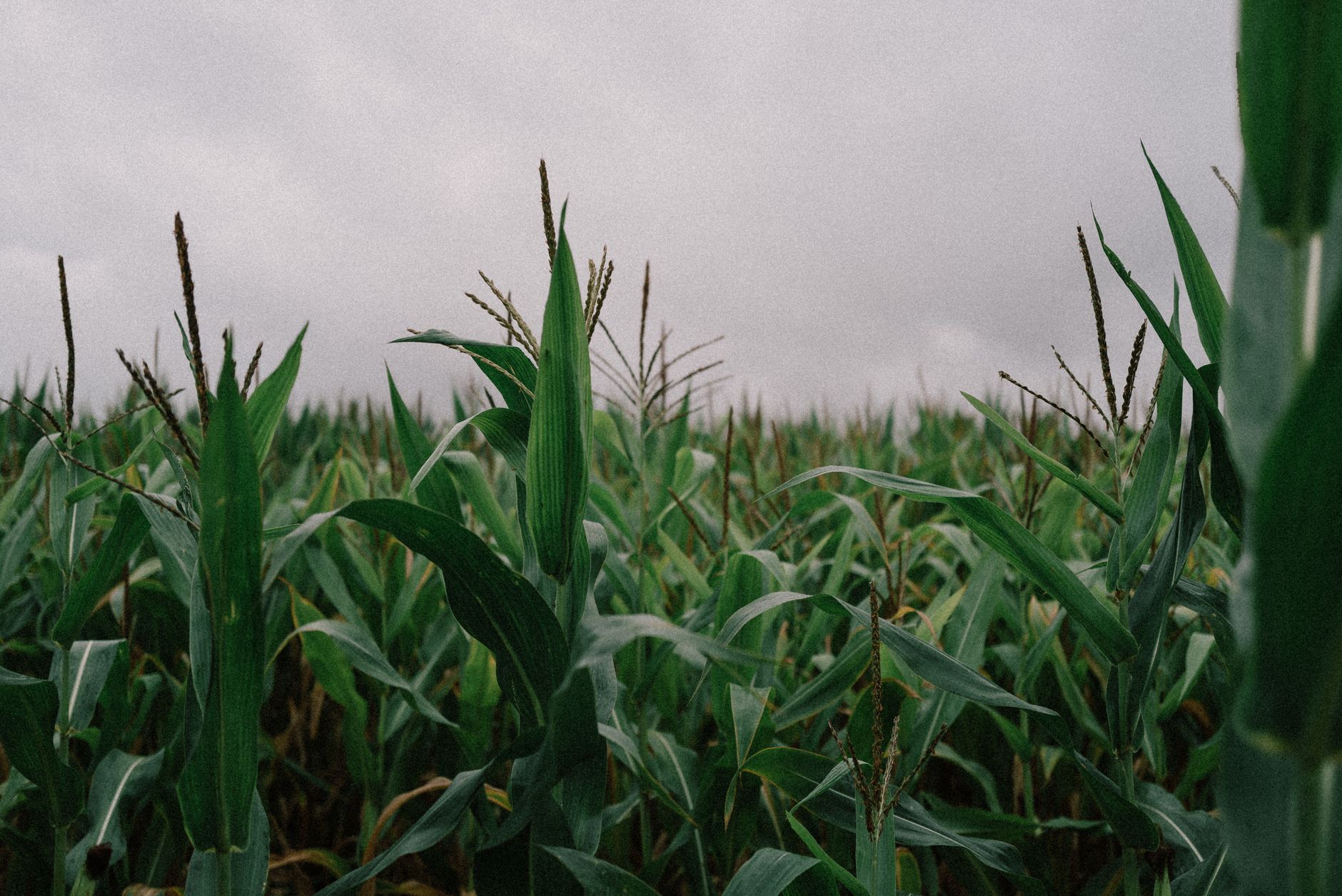
Sudan’s agricultural outlook makes the danger even clearer. Rainfall between July and September was reportedly the lowest in three decades, while one farmer expected a harvest equal to only 25% of last year’s yield. The World Food Programme estimates that another 350,000 people could face severe hunger by the end of 2026, with an additional 1.2 million at risk by August 2027.[4]
This is how famine advances: not as a single event, but through successive failures—of rain, harvests, transport, markets, aid and political will.
Somalia stands on the same precipice
In Somalia, nearly 26,000 displaced people in Baidoa are projected to reach IPC Phase 5 during October–December 2026. A more severe combination of flooding, displacement, high food prices, low wages and inadequate aid could push conditions across famine thresholds.[10]
The distinction matters. Catastrophic hunger among households is not automatically classified as area-wide famine. Yet for families in displacement camps, technical definitions offer little comfort. They have already lost homes, land, income and community networks. Their food security depends almost entirely on assistance and markets they can no longer afford.
Somalia’s crisis demonstrates how quickly climate shocks amplify political and economic vulnerability. Floods can destroy crops and roads at the same time, while displacement increases demand in places already struggling to provide food, shelter and work.
The Democratic Republic of the Congo: hunger amid conflict and disease
The Democratic Republic of the Congo faces a similarly alarming deterioration. Up to 28.8 million people—about 23% of the analysed population—are projected to experience acute food insecurity through December. More than 3.6 million are expected to face emergency conditions, classified as IPC Phase 4.[1][3][8]
Conflict and displacement remain central drivers, particularly in the east. But rising food and agricultural-input prices, Ebola and reduced humanitarian assistance are compounding the crisis. The result is a food emergency that cannot be separated from insecurity, public health and poverty.
Food security is political security
These crises should end the habit of treating hunger as an unfortunate consequence of war. Food insecurity is often produced by decisions: the decision to block aid, destroy infrastructure, underfund relief or allow civilians to become bargaining instruments.
Governments and donors must act before famine is formally declared. That means predictable financing, protected humanitarian corridors, support for local farmers, restoration of markets and serious investment in climate resilience. It also means accountability for those who deliberately obstruct food supplies.
Sudan is the most urgent test. Somalia and the Democratic Republic of the Congo show that it is not an isolated one. The world has the information, the warnings and the means to respond. What remains uncertain is whether it possesses the political courage to treat food as a right rather than a privilege reserved for those who survive the crisis.