The Hidden Hemorrhage
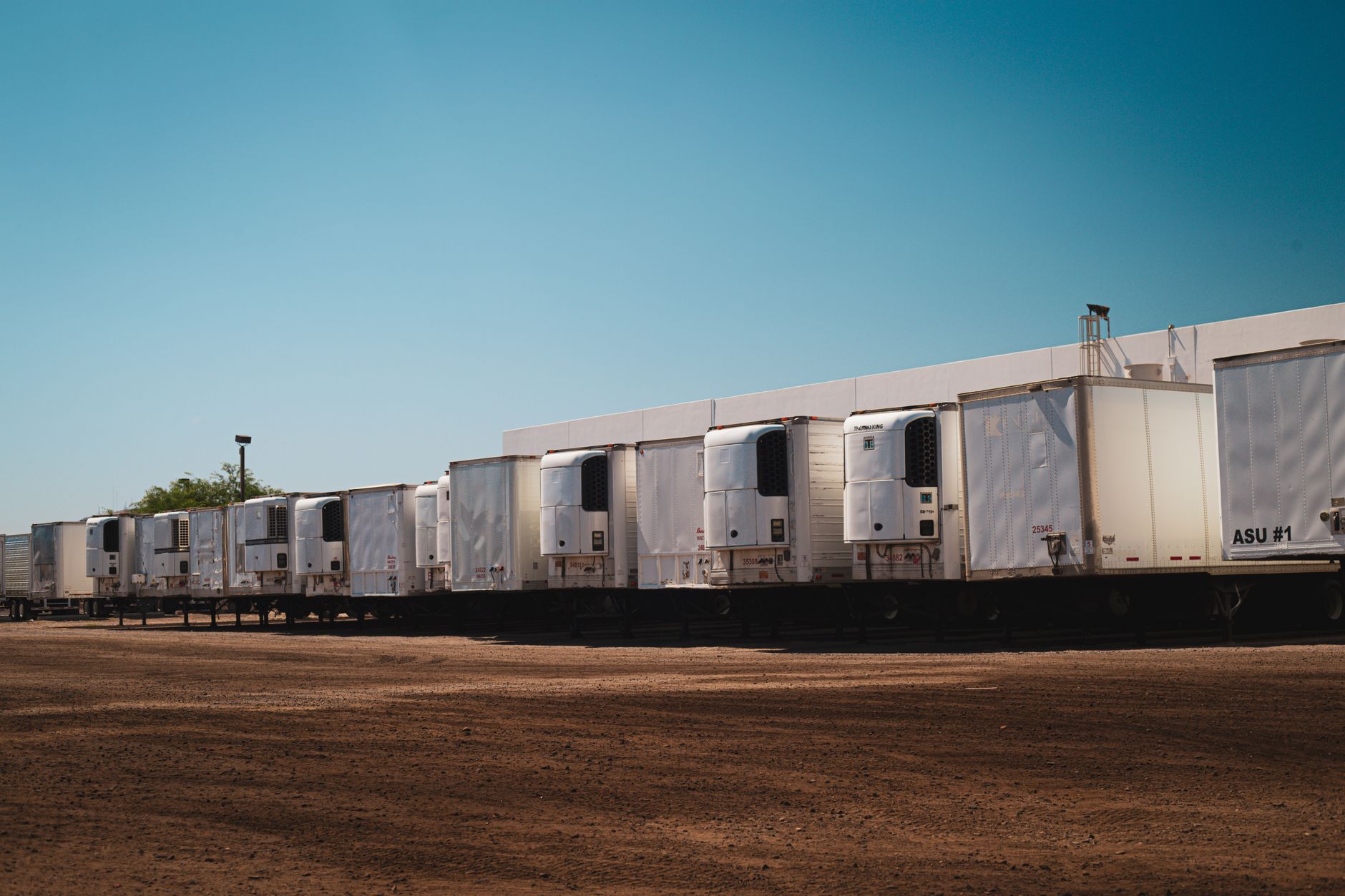
In the shadow of Wall Street's fragile rebound, America's supply chains are bleeding out. While the S&P 500 clawed its way to a slim weekly gain of 3.4 percent—the first since the outbreak of the Iran war—logistics firms across the country are filing for bankruptcy at a pace unseen in years. January and February 2026 alone witnessed a sharp uptick in Chapter 11 protections for trucking companies, third-party logistics providers, repair shops, and even ship maintenance operations. This is no mere blip; it's a systemic fracture in the infrastructure that keeps the U.S. economy humming.
The numbers tell a stark tale. Bee & G Enterprises LLC, a Tacoma, Washington-based general freight trucking outfit, sought Chapter 11 shelter on February 14. Mere days earlier, Santin Auto and Truck Repair Center in San Antonio, Texas, followed suit on February 13, unable to service its fleet of heavy-duty rigs. Lancaster Packaging Inc., a Massachusetts industrial distributor, joined the ranks on February 11. And in a particularly grim case, Mare Island Dry Dock LLC in Vallejo, California—a ship repair and maintenance specialist—filed on the same February 14 date, citing a 65 percent sales plunge over three years, the abrupt loss of an $11 million U.S. Coast Guard contract, 84 permanent layoffs, and the outright closure of its facility in early 2026.
These aren't isolated failures. They form a pattern of distress rippling through the supply chain sector, exacerbated by soaring oil prices now hovering at $111.54 per barrel following President Donald Trump's national address vowing continued strikes on Iran without a clear endgame. Elevated energy costs are squeezing margins for fuel-dependent haulers and maintainers, while geopolitical turbulence disrupts global trade flows. Markets may celebrate Tesla's travails or Nvidia's AI dalliances, but for the blue-collar backbone of American commerce, the outlook is dire.
Geopolitical Shockwaves
The Iran conflict, now in its tense early phases, has injected unprecedented volatility into energy markets. Trump's late-Wednesday speech, broadcast nationwide, failed to assuage fears, sending crude futures skyrocketing. For supply chain operators, this translates to immediate pain: diesel prices spiking, maintenance costs ballooning, and customer orders evaporating as manufacturers hedge against uncertainty.
"The filings highlight ongoing financial pressures affecting trucking companies, third-party logistics providers, repair shops, and manufacturers."
This pressure isn't abstract. Trucking, which moves 72 percent of U.S. freight by value, is particularly vulnerable. Firms like Bee & G, serving regional freight needs, rely on thin margins—often 3 to 5 percent—that vanish when fuel costs double. Repair shops like Santin face a vicious cycle: fewer trucks on the road mean less repair work, yet the trucks still rolling require pricier parts amid inflation. Shipyards, meanwhile, grapple with naval contract whims; Mare Island's Coast Guard debacle underscores how federal priorities can shift overnight in wartime.
Zoom out, and the supply chain's woes intersect with broader market narratives. On April 2, major indexes eked out gains—the Dow dipping 0.1 percent to 46,504.67, Nasdaq up 0.2 percent to 21,879.18—buoyed by tech resilience. Yet small-cap Russell 2000 surged 0.7 percent, hinting at underlying optimism among nimbler players. Investors, distracted by AI infrastructure deals—like Nebus's $27 billion pact with Meta for Nvidia GPUs or Marvel's custom chip builds—have overlooked the logistics implosion. Videos circulating online tout "8 major stock market stories" from April 2026 that "investors missed," but none spotlight the supply chain carnage.
Business Leaders' Blind Spot
J.P. Morgan's 2026 Business Leaders Outlook paints a rosier picture: 73 percent expect revenue growth, 64 percent higher profits, and 48 percent workforce expansion, even as AI integration accelerates. Midsize owners show resilience, with innovation-economy startups (venture-backed high-flyers) boasting 82 percent optimism for their own performance. Profitability reigns supreme—58 percent plan new products, 41 percent prioritize high-margin lines, and M&A interest climbs to 39 percent.
Yet this sunny forecast masks deep caution. A full 73 percent are neutral or pessimistic on the global economy, local optimism has slid from 59 percent to 44 percent amid policy shifts, and recession fears linger—33 percent among innovators believe one is underway or imminent. Headcount cuts are rising too: 12 percent plan reductions, up from 8 percent last year. For supply chain firms, these trends amplify the bankruptcy wave; they're not expanding—they're contracting to survive.
Manufacturing offers a counterpoint. April's Business Outlook Survey signals continued regional growth, a flicker of hope. But national data lags, and logistics bottlenecks could choke this momentum. As G20 preparations heat up in Miami for America's 250th anniversary hosting, global trade forums will grapple with these fractures—U.S. Presidency themes likely centering supply chain fortitude.
The Domino Effect
What happens when the trucks stop rolling? Retail shelves empty, just-in-time inventory models collapse, and manufacturers idle. We've seen previews: post-pandemic snarls cost billions; now, add war premiums. Trucking bankruptcies erode capacity—fewer rigs mean higher shipping rates, squeezing e-commerce giants like Amazon and manufacturers reliant on distributed supply.
Consider the ripple to stocks. Tesla's 5 percent Q1 delivery miss reflects EV logistics strains, but legacy autos and industrials face worse. Packaging distributors like Lancaster falter as orders dry up; ship repairs like Mare Island hobble naval readiness amid Iran tensions. Repair shops shutter, stranding fleets. It's a feedback loop: distress begets delay, delay begets more distress.
Analysts whisper of consolidation. Survivors—bolstered by AI routing or M&A—could thrive, per J.P. Morgan's rising deal appetite. Nebus-Meta ties signal compute abundance, potentially optimizing logistics via predictive analytics. But for now, the sector bleeds talent and capacity. Layoffs at Mare Island presage broader cuts; 12 percent workforce reduction plans could swell if oil stays north of $100.
Policy and Peril
Washington's response? Muted. Trump's Iran vow prioritizes security over economic salve—no stimulus for haulers, no fuel subsidies. Business leaders cite "shifting policies" in J.P. Morgan polls as optimism's thief. G20 Miami could pivot: U.S. hosts might push resilient chains, but domestic fixes lag.
Historical parallels abound. The 1970s oil shocks crushed trucking; 2008's recession felled carriers. Today's twist: AI upends ops, promising efficiency yet demanding capex cash-strapped firms lack. Marvel's Nvidia ecosystem plugs could revolutionize networking, but bankruptcies block deployment.
"Mare Island Dry Dock LLC... reported a 65% decline in sales over three years and the loss of an $11 million dollar U.S. Coast Guard contract, leading to 84 permanent layoffs."
Optimists eye adaptation. Half of leaders plan headcount growth, folding AI into workflows. Manufacturing's April uptick suggests diffusion. Markets, post-Good Friday closure, may extend gains if Iran de-escalates. Yet betting against supply chain reckoning risks peril.
Toward Resilience?
Rebuilding demands triage. Subsidize fuel for critical freight. Incentivize AI adoption via tax credits. Fast-track M&A for scale. Diversify suppliers beyond war-torn routes. G20 could forge pacts stabilizing energy.
For now, bankruptcies signal alert. Markets feast on AI hype—3.5 gigawatts of custom chips incoming—but ignore logistics' groan. As April 2026 wanes, this fracture tests America's mettle. Will business leaders' optimism prevail, or will supply chains' collapse cascade? The trucks are idling; the clock ticks.
(Word count: 1,728)