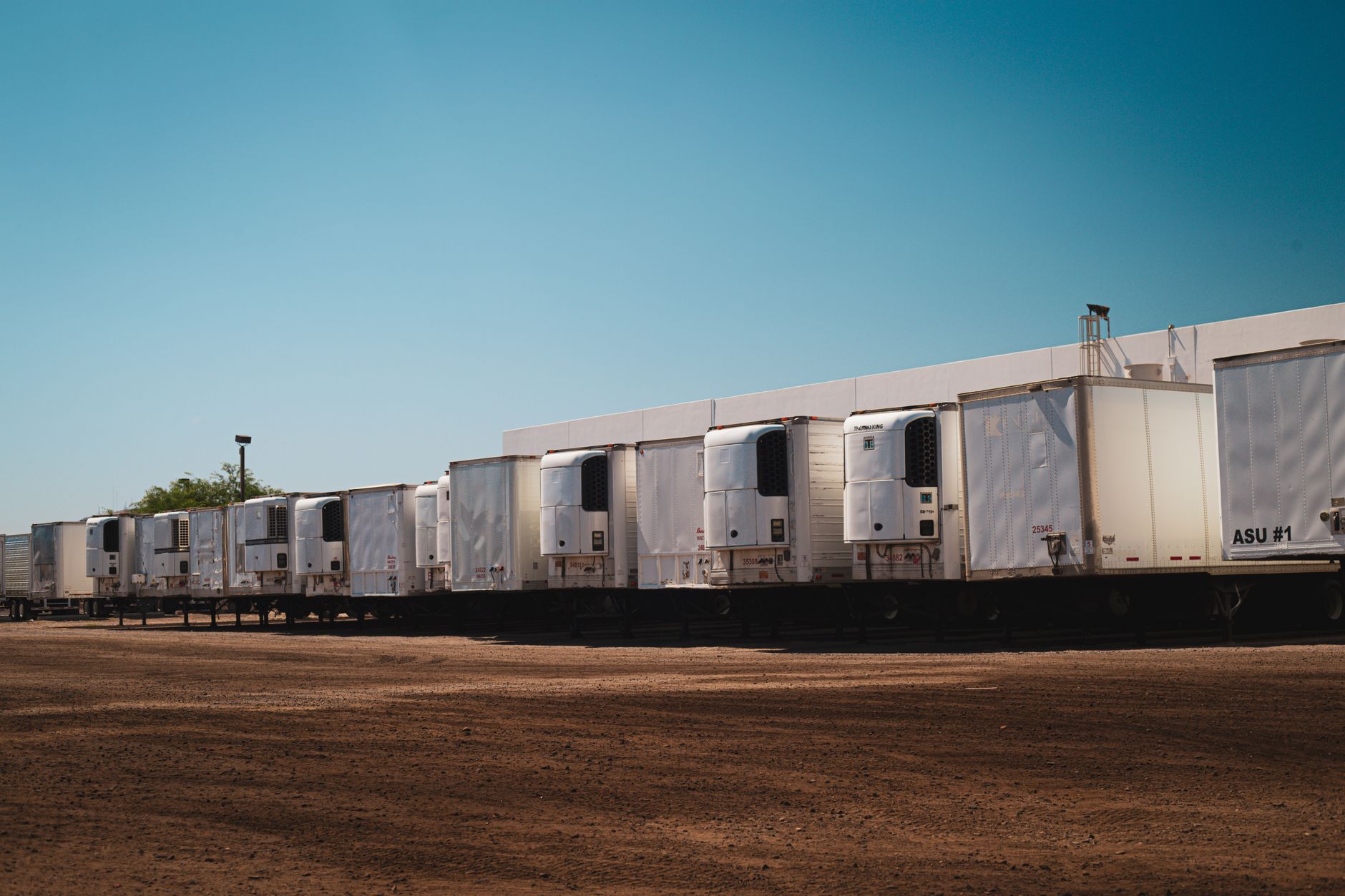
The Silent Collapse
In the shadow of gleaming AI data centers and bullish stock forecasts, America's supply chains are fracturing. January and February 2026 saw a sharp rise in bankruptcy filings among trucking firms, third-party logistics providers, repair shops, and manufacturers—companies that form the invisible arteries of the U.S. economy. Bee & G Enterprises, a Tacoma, Washington-based freight hauler, sought Chapter 11 protection on February 14, emblematic of a sector buckling under relentless pressures. Mare Island Dry Dock in Vallejo, California, followed suit the same day, citing a 65% sales plunge over three years, the loss of an $11 million U.S. Coast Guard contract, and 84 layoffs that shuttered its facility. Santin Auto and Truck Repair in San Antonio filed on February 13, while Lancaster Packaging in Massachusetts succumbed on February 11. These are not isolated failures; they signal a systemic unraveling.
The numbers paint a grim picture. Filings in the supply chain sector have accelerated, driven by soaring fuel costs, tariff-induced import disruptions, and a logistics model upended by artificial intelligence. Trucking, once a bastion of blue-collar resilience, now grapples with overcapacity and razor-thin margins. Repair shops, starved of volume as fleets idle, face cascading defaults. Manufacturers, squeezed by volatile raw material prices and softening demand, are caught in the crossfire. This is no mere cyclical downturn; it's a structural crisis exacerbated by policy shifts and technological tsunamis.
Tariffs and Trade Wars Reloaded
At the epicenter lies the resurgence of protectionist policies. As the U.S. marks its 250th anniversary with the G20 summit slated for Miami in 2026, trade tensions have reignited. New tariffs on Chinese imports—layered atop existing levies—have jacked up costs for everything from semiconductors to steel. Retailers, already reeling, feel the pinch acutely. Saks Global's mid-January bankruptcy, after months of vendor strife, kicked off the year with a bang, leaving suppliers high and dry. J. Crew and Guitar Center now teeter on the edge, vulnerable to further consumer sentiment erosion amid falling disposable incomes.
These tariffs don't just inflate prices; they distort supply flows. Trucking firms, tasked with hauling tariff-hit goods, absorb higher duties passed downstream. A container that once cost $2,000 to ship from Asia now fetches $5,000 or more, idling warehouses and stranding fleets. Third-party logistics providers, who thrived on just-in-time efficiency, now navigate a labyrinth of delays and penalties. The result? Overleveraged balance sheets snap under the weight. Mare Island's plight exemplifies this: losing a federal contract amid naval buildup delays—ironically tied to domestic shipbuilding pushes—proved fatal.
"The supply chain sector is the canary in the coal mine for broader economic distress," notes an industry analyst, as filings underscore pressures that could ripple into retail and manufacturing heartlands.
Yet, policymakers tout resilience. The White House frames tariffs as essential for reshoring, but early evidence suggests otherwise. Imports have dipped, but domestic production lags, leaving gaps filled by pricier alternatives or shortages. Manufacturers responding to the April 2026 Business Outlook Survey report modest growth, but beneath the surface, inventories bloat and orders wane.
AI's Double-Edged Sword
Contrasting this gloom, April 2026 stock market recaps highlight AI's triumph. Nebus inked a $27 billion, five-year infrastructure pact with Meta Platforms, deploying 12 billion in compute capacity by 2027 powered by Nvidia's latest GPUs. Marvel Technology is crafting custom AI chips and networking gear for Nvidia's ecosystem. An unnamed AI heavyweight secured 3.5 gigawatts of next-gen capacity from tech partners, starting 2027. A chip architecture veteran launched its first self-branded data center chip for AI inference, with a tech behemoth as its debut customer.
These deals propel Nasdaq to record highs, with AI stocks shrugging off macro woes. Investors, fixated on hyperscaler capex, missed the supply chain carnage. But here's the irony: AI's voracious energy and chip demands strain the very logistics networks now collapsing. Data center builds require specialized trucking for massive transformers and cooling systems—shipments that bankrupt haulers can't deliver. Nvidia's GPU shipments, funneled through fragile chains, face delays as repair shops fold.
J.P. Morgan's 2026 Business Leaders Outlook reveals the schism. Seventy-three percent expect revenue growth, 64% higher profits, with 48% planning hires. Innovation economy firms brim with optimism—82% bullish on their outlook—yet 33% brace for recession. Midsize owners show grit, prioritizing profitability (41%) and new products (58%). M&A interest surges to 39%, up 8 points, signaling consolidation. But workforce cuts loom: 12% plan reductions, versus 8% last year. Supply chain survivors eye AI integration for efficiency, yet adoption lags among cash-strapped operators.
The Human Toll
Beyond ledgers, the fallout is visceral. Mare Island's 84 layoffs ripple through Vallejo, a shipyard town already scarred by naval contractions. Tacoma's Bee & G idling rigs displaces drivers in a region dependent on port traffic. San Antonio's Santin closure hits mechanics, many immigrants sustaining families on hourly wages. These aren't statistics; they're communities fraying at the edges.
Consumer sentiment, per retail watchers, plummets as price hikes from supply snarls erode purchasing power. Retail Dive flags distressed chains like J. Crew, where inventory gluts meet tepid sales. Guitar Center, battling e-commerce rivals, faces instrument tariffs that inflate costs. Saks' implosion warns of a domino effect: luxury vendors unpaid, credit lines yanked, bankruptcies cascading.
Manufacturing offers faint hope. April's outlook survey shows regional growth, but national ISM indices hover near contraction. Firms stockpile amid tariff fears, yet demand softens as AI automates routine tasks, curbing hiring. Business leaders temper optimism: 73% neutral or pessimistic on global economies, local optimism dipping to 44%.
Markets in Denial?
Wall Street, mesmerized by AI, largely ignores the rot. April 2026's overlooked stories—per market recaps—center on tech pacts, not trucking tombs. S&P 500 grinds higher on Big Tech earnings, but transports lag. Dow Transports, a leading indicator, flirts with bear territory, presaging equity cracks.
Analysts whisper of contagion. If supply chains seize, AI builds stall—Nebus' Meta deal hinges on timely GPU delivery. Chip firms like Marvel rely on Asian fabs, tariff-vulnerable. Inference chips demand data center retrofits, logistics-intensive. A recession, expected by a third of innovators, could tip the scales.
"We're building the future on yesterday's infrastructure," laments a logistics executive. "AI won't save us if the trucks don't roll."
Policy Crossroads
With G20 in Miami, leaders confront this dichotomy. Hosting amid semiquincentennial festivities, the U.S. pushes 'America First' trade. Yet, bankruptcies underscore reshoring's pains: skilled labor shortages, infrastructure deficits. Proposals swirl—subsidies for trucking electrification, AI grants for logistics tech—but execution falters.
Business leaders pivot: 49% eye partnerships, up from 43%. M&A waves could consolidate survivors, birthing oligopolies. Workforce plans split—half expand, but AI displaces rote roles. Profit focus rises, with 41% pruning unprofitable lines.
Path Forward: Resilience or Reckoning?
America's supply chains teeter, but history favors adapters. Post-2008, logistics digitized; now, AI beckons. Resilient midsize firms, per J.P. Morgan, lead: integrating predictive analytics to route around tariffs, automating warehouses. Yet, scale matters—titans like UPS invest billions, while minnows drown.
The bankruptcy wave, if unchecked, risks inflation resurgence: shortages spiking prices, Fed forced to hike amid slowdown. Equities, AI-blind, court correction. Consumers, squeezed, retrench, hitting retail hardest.
Optimists point to manufacturing upticks and dealmaking. April surveys show growth; Nebus-Meta scales AI frontiers. But caution prevails: global pessimism at 73%, headcount cuts rising. As April 19 dawns, markets hum, yet truck stops stand empty. The real story isn't AI euphoria—it's the backbone breaking, demanding urgent repair before the economy buckles.
This crisis tests U.S. ingenuity. Will tariffs forge strength, or fracture further? AI streamline, or sideline the vulnerable? Business leaders, 73% revenue-bullish, bet on adaptation. But with filings mounting, the wager grows riskier. The supply chain's collapse isn't abstract—it's the freight train derailing America's economic engine.