The global economy is being pulled in opposite directions. An energy shock linked to the conflict around Iran and the disruption of Middle Eastern supplies is lifting the cost of fuel, fertilizers and food, while an unprecedented investment cycle in artificial intelligence is supporting demand and raising hopes of faster productivity growth. The result is not a simple recovery story, but a race between two forces that could determine whether 2026 ends in resilience or renewed inflation.
The International Monetary Fund has estimated that global output will expand by roughly 3% this year, slower than the 3.5% average recorded in 2024 and 2025. In September, IMF officials said the world economy had absorbed the energy shock better than initially feared, but warned that risks remained high. The IMF’s October outlook is expected to examine how trade tensions, fiscal pressure and AI investment are reshaping the outlook. Reuters
Why the energy shock matters
Higher energy prices act like a tax on households and businesses. Consumers have less money for discretionary spending, while manufacturers, transport companies and farmers face higher operating costs. The effects can spread well beyond the Middle East because oil and gas are priced through global markets, even when individual countries do not import directly from the affected region.
Recent market moves show the sensitivity. Oil prices rose more than 2% as uncertainty over US-Iran negotiations clouded hopes for a sustained recovery in energy supplies. Washington also announced sanctions targeting Iranian rail and automotive sectors, adding to pressure on trade and logistics. Anadolu Agency
Governments face a difficult policy choice. Releasing strategic reserves or subsidizing fuel can cushion consumers, but it may increase public debt and weaken incentives to reduce demand. Allowing prices to pass through can protect public finances, yet risks accelerating inflation and provoking political backlash. The reported G7 plan to release 100 million barrels of diesel and crude illustrates the scale of intervention being considered, though reserve releases can only buy time if supply disruptions persist. Current events reporting
The AI counterweight
At the same time, technology companies are committing vast sums to data centers, chips, electricity and software. The IMF has identified AI-driven investment as a positive demand shock capable of offsetting part of the damage from weaker trade and higher energy costs. Its January update said that, if productivity gains materialize, AI could add 0.3 percentage points to global output growth in 2026. International Monetary Fund
The optimistic case is straightforward: automation raises output, improves services and creates new demand, allowing economies to grow without proportional increases in labor or material use. Technology investment can also strengthen national competitiveness, particularly as the United States and China seek advantages in advanced computing and artificial intelligence.
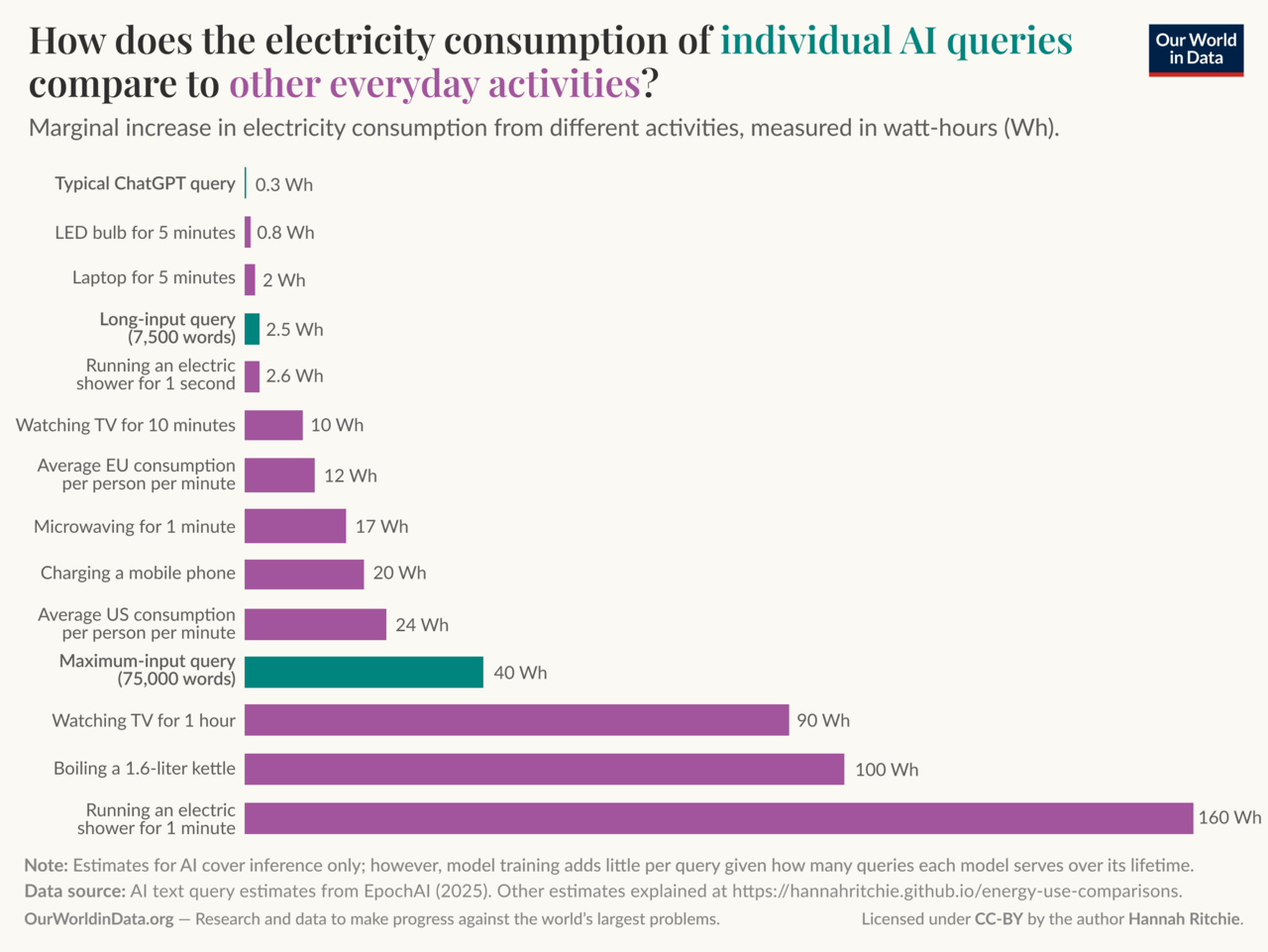
But the benefits are neither automatic nor evenly distributed. AI systems require enormous quantities of electricity and specialized hardware, potentially intensifying the energy competition that the current crisis has exposed. The gains may initially accrue to a small group of firms and highly skilled workers, while companies in routine occupations face pressure to reduce hiring. If expected productivity improvements fail to appear, financial markets could revalue heavily indebted technology businesses and expose banks and investors to losses.
What comes next
The near-term outlook depends on whether the energy disruption is contained and whether AI spending translates into measurable output rather than merely higher asset valuations. A diplomatic reopening of shipping routes and renewed nuclear talks could ease oil prices quickly. A prolonged confrontation would transmit higher costs through transport, food and industrial supply chains.
Central banks will be forced to distinguish between temporary energy inflation and broader, persistent price pressure. Cutting interest rates too soon could weaken currencies and revive inflation; keeping rates high could suppress housing, investment and employment. The United States is already showing signs of softer labor-market momentum: employment increased by only 29,000 in September and unemployment rose to 4.2%, according to reporting cited by CNN. CNN
The most credible path is therefore not a clean technological rescue or an inevitable global downturn. It is a period of selective resilience. Economies with diversified energy supplies, credible fiscal policy and broad access to productivity-enhancing technology will be better placed to absorb the shock. Those dependent on imported fuel or concentrated in low-productivity sectors may face a sharper squeeze.
The next decisive evidence will come from energy prices, corporate AI returns and household inflation expectations. If all three deteriorate, the current balance can tip quickly. If energy markets stabilize and AI delivers genuine productivity gains, the world economy may avoid recession—but with higher public debt, greater inequality and a more strategic contest over power, chips and data.