The widening Middle East conflict is no longer only a regional security crisis. It is becoming an economic stress test for governments already confronting weak growth, persistent inflation and public fatigue after years of shocks.
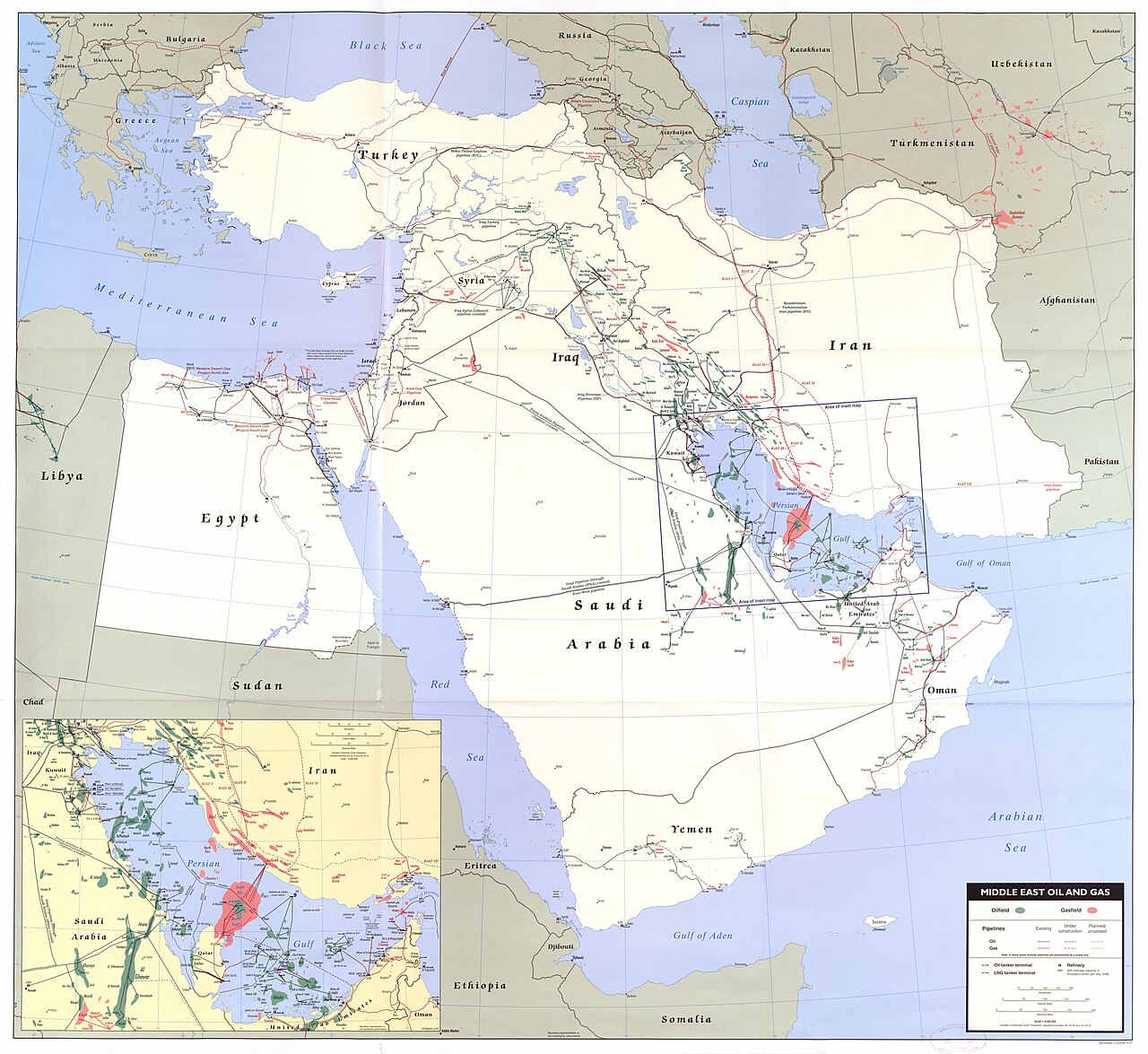
The immediate transmission channel is energy. Oil prices rose by more than 2% this week as uncertainty over United States-Iran negotiations clouded hopes for a sustained recovery in regional supplies. The risk is not limited to production facilities: the conflict’s geography places the Red Sea and the Bab el-Mandeb, one of the world’s key maritime passages, under renewed pressure.
Recent fighting involving Iran-backed Houthi forces and Yemen’s government has intensified around Taiz, while the Houthis have expanded their control to Mokha and several Red Sea islands, according to reporting cited by Anadolu Agency. Any prolonged threat to commercial shipping would increase insurance, freight and delivery costs even if oil production itself remained intact.
A fragile global economy
The shock arrives at an awkward moment. The International Monetary Fund expects global growth of 3% in 2026 and 3.4% in 2027, but has raised its forecast for global headline inflation to 4.7% this year. The fund says the disinflation process that began in early 2024 has stalled.
The OECD is more cautious, projecting global growth of 2.9% in 2026 and 3% in 2027. Its September outlook forecasts G20 inflation rising from 3.4% last year to 4.1% in 2026 before easing to 3.6% in 2027, assuming energy prices moderate and tighter monetary policy restrains demand.
These forecasts are not contradictory so much as conditional. Both institutions see the world economy continuing to expand, but neither describes a comfortable expansion. A temporary energy spike could be absorbed. A sustained disruption would be more damaging, especially for energy-importing countries and lower-income households, where fuel and food take a larger share of spending.
Why the conflict matters beyond oil
The economic danger lies in second-round effects. Higher fuel prices raise transport and manufacturing costs; businesses then pass some of those costs to consumers. Central banks face a difficult choice: tolerate a temporary inflation surge or keep interest rates higher for longer, potentially weakening investment and employment.
The IMF also identifies a counterforce: demand generated by rapid advances in artificial intelligence and its adoption. That technology cycle has helped offset some effects of the war in the fund’s projections. But AI investment is concentrated in a relatively narrow group of companies and economies. It cannot easily compensate households for higher food, heating or transport bills.
There is also a fiscal problem. Governments may try to cushion consumers through subsidies or tax cuts, but such measures can widen deficits and weaken incentives to conserve energy. Poorer countries have less room to respond, while wealthy governments risk prolonging inflation if support is broad rather than targeted.
Diplomacy under pressure
Washington’s choices will shape the next phase. President Donald Trump has said he rejected Iran’s latest peace offer and that he may resume bombing after the November midterm elections. The United States is also preparing new sanctions targeting Iranian rail and automotive sectors and an alleged Russia-linked shadow-banking network, according to reporting summarized by Anadolu Agency.
Supporters of pressure argue that sanctions and military threats can force Tehran to accept stricter limits and prevent the conflict from becoming a permanent regional challenge. Critics counter that additional strikes could close diplomatic space, trigger retaliation against shipping or energy infrastructure, and draw the United States into an open-ended war.
Iran’s incentives are similarly mixed. Negotiation could ease sanctions and reduce military pressure, but concessions may be portrayed domestically as surrender. Tehran also retains influence through regional partners, giving it leverage without requiring a direct confrontation on every front.
What comes next
The crucial indicators are practical rather than rhetorical: whether attacks threaten commercial vessels, whether oil production or export terminals are damaged, and whether Washington and Tehran preserve a channel for indirect talks. Markets will also watch governments’ responses to higher prices and central banks’ language on inflation expectations.
The most likely near-term outcome is continued volatility rather than an immediate global recession. The IMF and OECD both expect growth to continue, and lower energy prices in 2027 could help inflation recede. But that relatively benign path depends on containment.
If the conflict expands across shipping lanes or energy infrastructure, the central question will change from whether the world economy can absorb one more shock to who bears the cost. The answer is unlikely to be evenly distributed: wealthy economies can borrow and subsidize, while poorer households and import-dependent states face the sharpest squeeze.