A changing centre of gravity
Cinema is no longer defined by a simple choice between the theatre and the sofa. It is a moving negotiation between studios, streaming platforms, filmmakers and audiences—and the developments reported on October 19 and 20, 2026, make that tension especially clear.
The most striking sign of instability comes from Netflix, where film chief Dan Lin is leaving after nearly three years in charge. His departure follows the exit of chief content officer Bela Bajaria, who is being replaced by former Disney executive Peter Rice, amid wider workforce reductions and concerns about slowing engagement.[1][2] Rice will oversee Netflix’s film division until a permanent replacement for Lin is appointed.[3]
This is more than an executive reshuffle. It raises questions about the identity of Netflix as a film company. Under Lin, the streamer pursued a broad slate that included prestige projects, commercial entertainment and major star vehicles. His departure may lead to a reassessment of how Netflix acquires films, how much it invests in them and whether more titles should be given substantial theatrical runs before arriving online.
Theatre windows remain valuable
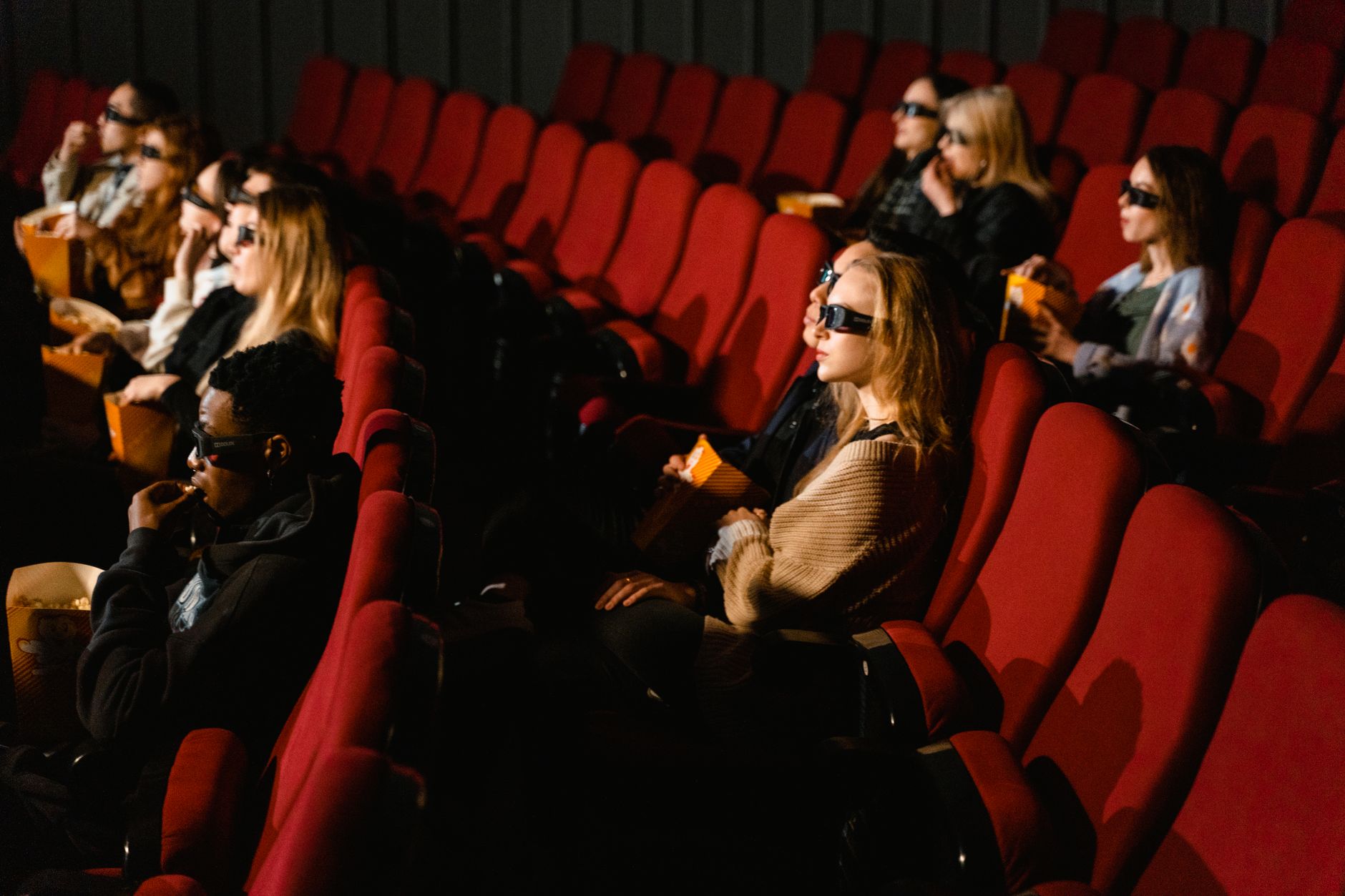
The contradiction at the heart of modern cinema is that streaming has made films easier to access while theatrical exhibition has become more precious. A cinema release now represents not only a distribution decision, but also a statement of ambition.
Amazon MGM’s holiday 2027 scheduling of Lizard Music, starring Dwayne Johnson and directed by Benny Safdie, suggests that theatrical cinema still carries considerable cultural and commercial weight. Safdie is adapting Daniel Pinkwater’s novel, pairing an unusual literary source with one of the world’s most recognisable stars. The project’s release window indicates that Amazon MGM sees an opportunity to make the film an event rather than simply another platform addition.
The same principle applies to the next chapter of Sony’s animated The Bad Guys. The film is scheduled for cinemas in December 2026, with Jack Black, Kevin Hart and Karen Gillan returning and Jake Kasdan directing the concluding entry in the trilogy. A family film arriving during the holiday season is not merely filling a calendar slot; it is competing for a shared public experience at a time when audiences traditionally gather.[1]
Franchises are travelling
At the same time, established cinema brands are increasingly comfortable moving between formats. Karan Johar’s Student of the Year universe is expanding into a JioHotstar series, Student Of The Year: After Dark, demonstrating how a film franchise can continue through episodic storytelling.
That transition reflects a wider change in audience expectations. A successful film property no longer needs to remain confined to sequels. It can become a series, a spin-off or a platform-specific extension, allowing creators to explore characters and settings at greater length. Yet the move also poses a challenge: the identity of a franchise can weaken if expansion feels driven more by brand maintenance than by artistic necessity.
The strongest streaming projects will therefore need to offer more than recognition. They must justify their existence in the new format. A series should not feel like an elongated sequel, just as a theatrical film should not feel like a television episode with a larger budget.
A crowded week for viewers
The week of October 20 to 26 also brings a substantial flow of new streaming films, including The Invite on HBO Max and Disney’s live-action Moana remake, alongside other releases across major platforms. This abundance confirms streaming’s central advantage: there is always something new to watch.
But abundance is not the same as attention. With platforms competing for limited viewing time, films risk becoming disposable unless marketing, word of mouth and genuine distinction can cut through the noise. The theatrical model, despite its financial risks, still offers something streaming cannot easily reproduce: concentration. For two hours, an audience is asked to watch the same film in the same room, without the distractions of competing titles.
The future needs both screens
The latest developments should not be read as evidence that one form of cinema is defeating another. Netflix’s leadership crisis may produce a more disciplined film strategy, while Amazon MGM and Sony continue to invest in theatrical events. Meanwhile, franchise expansion into streaming shows that audiences are willing to follow stories wherever they go.
The real question is whether the industry can preserve meaningful differences between these experiences. Cinema will remain healthy if theatrical releases feel essential, streaming films feel thoughtfully curated and franchises expand with purpose. The future is not exclusively in cinemas or on platforms. It belongs to the stories—and to the people willing to give them their full attention.[1][2][3]