The cultural mood of 2026
Culture in 2026 is not being defined by a single breakthrough, but by a convergence of pressures that are changing how art is made, shared, and remembered. The strongest signals point to a landscape where AI is embedded in creative workflows, genre labels are weakening, nostalgia is commercially powerful, and global sounds are moving from the margins to the mainstream.
That is not a temporary glitch in the system. It is the system.
AI has become part of the creative baseline
The first major shift is the normalisation of AI in music production. What was once framed as a novelty or a threat is now being treated as a routine co-creator in the studio.[2][3][7][8] That matters because the debate is no longer only about whether machines can make art, but about how much of contemporary culture is now shaped by collaboration between human intention and algorithmic assistance.
This does not mean originality is disappearing. It means originality is being renegotiated. In 2026, cultural credibility increasingly depends on the artist’s ability to direct systems, not merely resist them. The future belongs less to the lone genius myth and more to the curator, the editor, the prompt-writer, and the hybrid maker.
Genres are dissolving into mood and motion
At the same time, the old map of music is breaking apart. Sources describing 2026 trends repeatedly point to hybridisation, post-genre blending, and discovery driven by mood rather than strict classification.[2][3][8][16] This is not just a streaming-platform quirk. It reflects a broader cultural impatience with rigid categories.
Audiences increasingly want atmosphere, identity, and emotional utility rather than a clean stylistic box. Artists are responding by crossing boundaries with fewer apologies. The result is a culture that feels simultaneously more fragmented and more fluid. Listeners no longer ask only what genre a track belongs to; they ask what world it creates.
That shift is important beyond music. It signals a wider collapse of inherited cultural borders, where influence moves faster than institutions can name it.
Nostalgia is no longer a backward glance; it is an engine
If AI represents the future arriving early, nostalgia represents the past returning on schedule. Y2K revival, retro 70s, 80s and 90s aesthetics, and renewed interest in physical media such as vinyl are all shaping the visual and sonic language of 2026.[1][5][6][8]
This is not simple sentimentality. Nostalgia now functions as a creative strategy and a market logic. In uncertain times, audiences gravitate toward familiar textures, recognisable symbols, and formats that feel tangible. Physical media offers scarcity in an age of infinite replication. Retro styling offers emotional continuity in a culture of rapid change.
But there is a deeper irony here. The more digital culture accelerates, the more value is assigned to objects and styles that imply slowness, memory, and touch. The appetite for retro does not mean people want the past back. It means they want stability inside the speed of the present.
Global sounds are shaping the centre, not the periphery
Another defining feature of 2026 culture is the rise of regional and global sounds that are no longer treated as side stories. Reports point to Afrofuturism, pluggnB, Latin music, K-pop, Afrobeats, and other local-to-global movements as major creative forces.[7][8][12][18]
This is a cultural correction, not a trend cycle. For years, mainstream Western culture exported its own dominance as if it were universal. Now the flow is more competitive, more plural, and more visibly shaped by non-Western innovation. The result is a richer but less centralised cultural field.
Afrofuturism, in particular, continues to matter because it offers more than style. It proposes a way of imagining Black futures through sound, fashion, and technology. In a year saturated by AI anxiety and historical recycling, that future-facing imagination feels politically and aesthetically urgent.
Live culture is becoming immersive and divisible
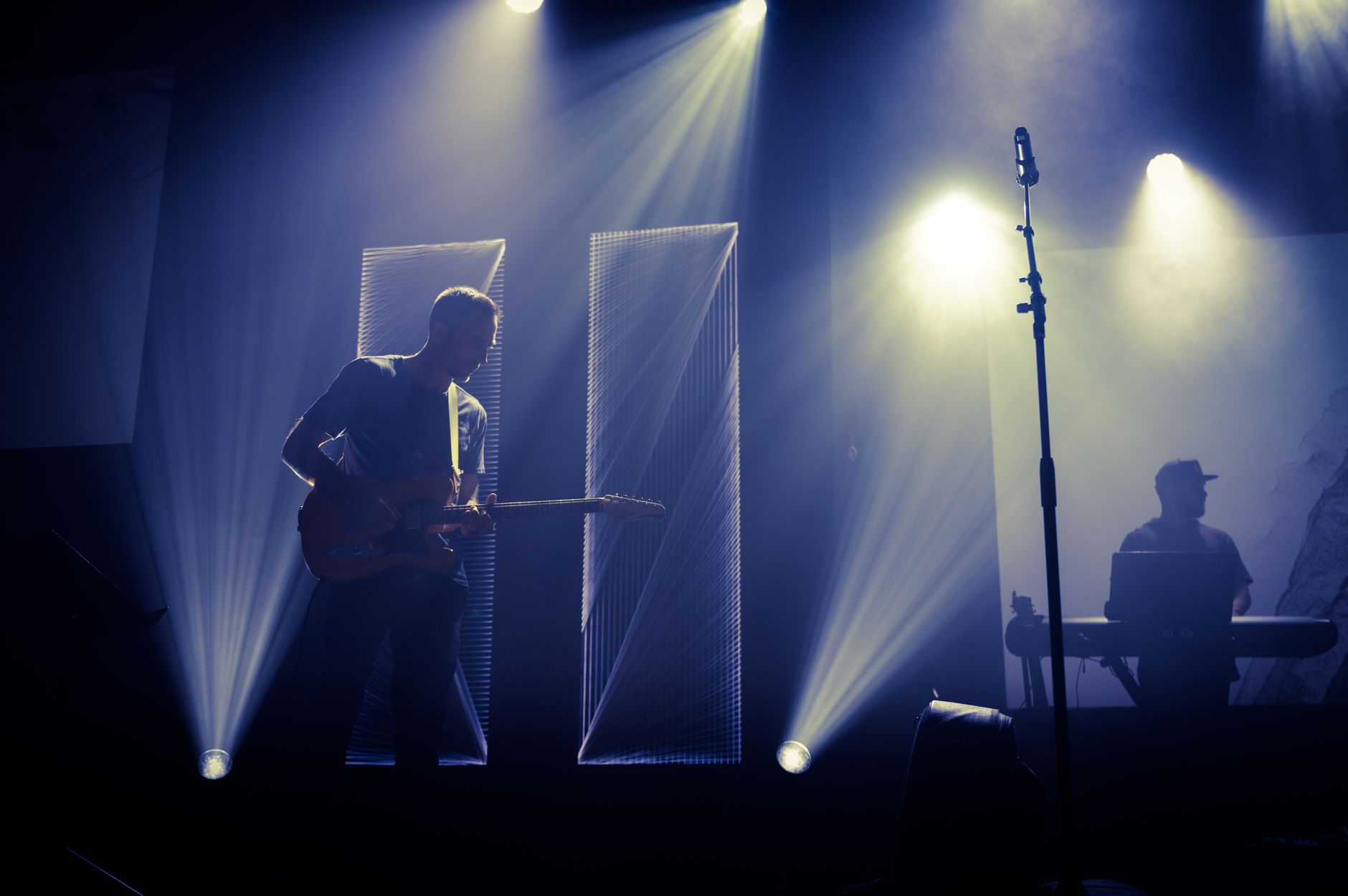
The live sector is also changing. Virtual and hybrid concerts, phygital experiences, and immersive formats are becoming more central to the industry.[3][4][10][15] The pandemic did not invent this shift, but it accelerated a habit that has now become structural: audiences expect cultural experiences to move across physical and digital space without losing intensity.
This evolution has consequences. It expands access, but it also changes what performance means. A concert is no longer only an event in a room; it is a distributed experience, shaped by screens, platforms, and repeated circulation. Culture is increasingly designed to be both attended and shared.
What 2026 culture is really telling us
The deeper story of 2026 is not about any single trend. It is about culture learning to live with contradiction. It is more technological and more nostalgic. More global and more local. More fragmented and more interconnected. More artificial in its tools and, in some cases, more human in its longing.
That tension is where the real drama lies. Culture is not being replaced by machines, nor simply preserved by memory. It is being rebuilt in the space between them.