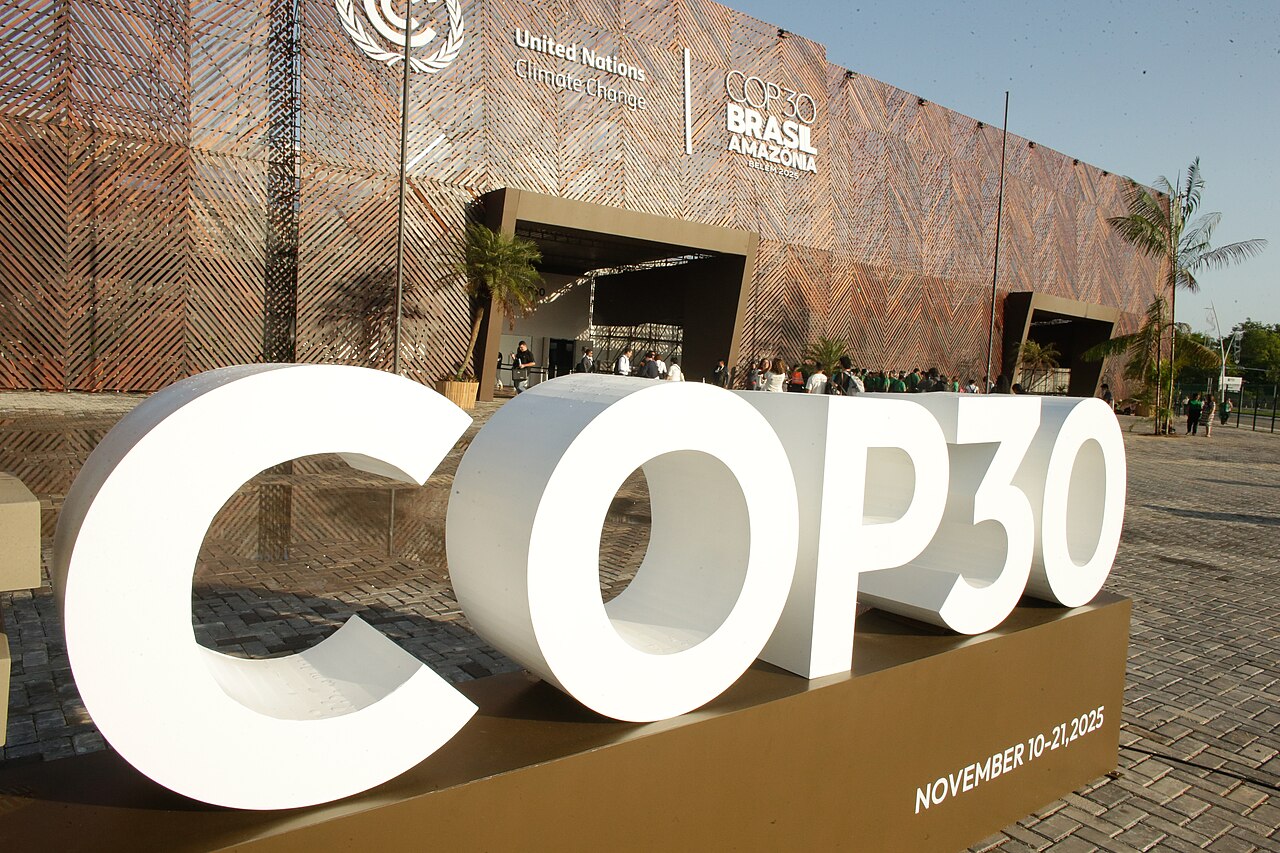
Commentary: The central question at COP31 is not whether governments can produce another ambitious communiqué. It is whether they can make climate policy durable enough to survive elections, economic shocks and public frustration.
That distinction matters because the latest evidence presents a mixed picture. The OECD’s 2026 Climate Action Monitor says climate policy adoption has expanded substantially since 2015, but momentum is slowing and implementation remains uneven. Policy removals rose sharply in 2025, while net-zero targets became more politically contested. In other words, the world is doing more—and backsliding more visibly—at the same time.
Our view is straightforward: climate diplomacy should now prioritize execution over theatrical ambition. That does not mean lowering emissions goals. It means judging governments by whether they build power grids, approve clean infrastructure, fund adaptation and enforce standards—not merely by whether they announce distant targets.
The case for delivery
There are reasons for cautious optimism. Oxford’s Climate Policy Monitor reports that policy advances in Asia, Latin America and Africa are increasingly offsetting retrenchment in parts of Europe and North America. The research points to innovation across buildings, aviation, clean technology and trade, suggesting that climate action is no longer confined to a small group of wealthy economies.
Yet the same findings identify a crucial weakness: enforcement and legal durability are lagging behind policy ambition. This is the gap that international summits routinely obscure. A target without a budget, regulator or timetable can create diplomatic momentum while producing little measurable change.
COP31’s focus on green industrialization is therefore welcome. Cleaner steel and cement will not be delivered by slogans; they require procurement rules, affordable finance, reliable electricity and markets willing to reward lower-carbon production. Such measures can also support jobs and energy security, giving climate policy a stronger political foundation.
The objections deserve an answer
Critics are right to warn that rapid decarbonization can impose real costs. Carbon pricing may raise household bills if governments fail to protect low-income consumers. Domestic clean-industry subsidies can provoke trade disputes or divert money from health and education. Developing countries also reasonably argue that wealthy nations, having emitted most historical carbon, should provide more finance rather than demand equal sacrifice.
These objections do not defeat climate action; they define the conditions for legitimate action. A fair transition needs targeted rebates, worker protections and transparent assessments of who pays. It also needs credible international finance. Negotiators remain divided over finance, fossil fuels and adaptation, according to the United Nations’ COP31 update. Those disputes cannot be dismissed as procedural obstacles: for vulnerable countries, adaptation funding is a matter of security and survival.
Nor should the answer be a race toward expensive symbolism. Governments should favor measures that cut emissions while improving resilience and lowering long-term costs, including grid modernization, building efficiency, public transport and methane reduction. Where a policy is costly, officials should say so plainly and publish the distributional consequences.
A more honest standard
The most useful outcome from COP31 would be a shift in accountability. Countries should report not only pledges but completed projects, enforcement rates, public spending, emissions trends and progress in protecting exposed communities. Independent institutions should be able to verify those claims.
This approach may sound less inspiring than a new global slogan. It would be more valuable. Climate politics is losing credibility when announcements multiply while implementation falters. The answer is not cynicism, and it is not pretending every government can move at the same speed. It is a practical bargain: richer countries provide finance and technology; emerging economies pursue credible, locally designed transitions; all governments publish evidence of results.
Climate leadership should no longer be measured by who speaks most boldly at the summit podium. It should be measured by who returns home and delivers.