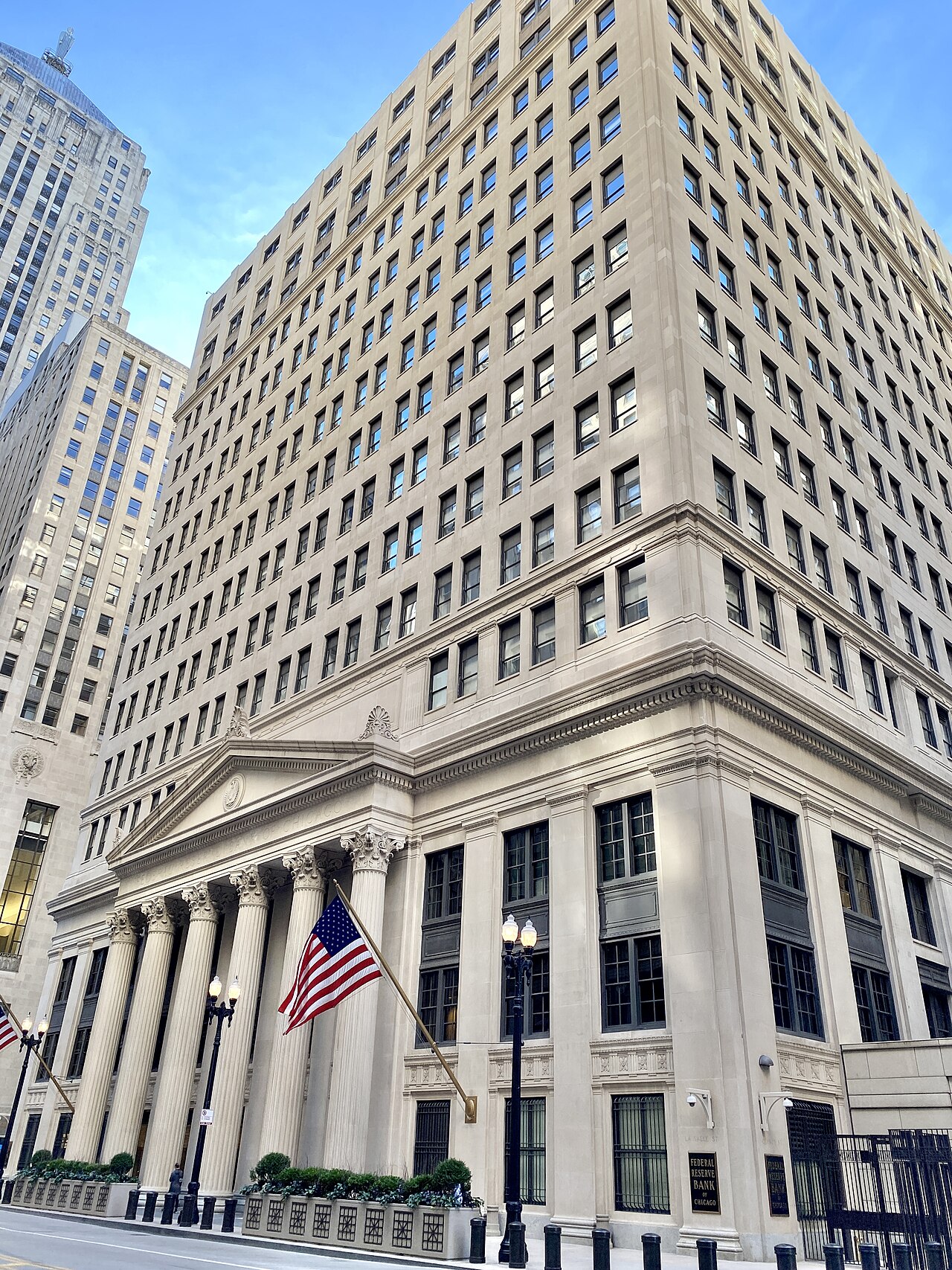
The Federal Reserve’s decision on Sept. 16 to raise its benchmark rate by 25 basis points, to 3.75%–4%, marked a sharp turn after a long pause and signaled that policymakers believe inflation pressure remains stubborn enough to justify tighter money again[1]. The move, which CNBC reported was approved unanimously, came as updated projections pointed to the possibility of another increase later this year, suggesting the central bank is not yet convinced it has done enough[2].
The immediate force behind the decision is a familiar one: inflation that is cooling more slowly than hoped. The Fed said it was acting in support of its dual mandate, which requires it to balance price stability with maximum employment[1]. In practical terms, that means officials are weighing whether keeping borrowing costs slightly higher for longer is less damaging than allowing inflation to re-accelerate. Markets had anticipated the hike, but the unanimity of the vote underscored the degree of concern inside the committee[2].
Why the Fed moved now
The clearest explanation is that policymakers judged the balance of risk had shifted. A quarter-point move is modest on its own, but in central banking even small steps carry a strong signal. The Fed’s statement indicated it still sees sufficient economic momentum to absorb tighter policy, and CNBC reported that three members had already favored a hike at the July meeting, a clue that internal support for renewed tightening had been building[2]. That matters because central banks typically move only when they believe waiting could cost more than acting.
Broader global conditions also appear to have influenced the shift. A Reuters report on Sept. 23 said the OECD believes an AI-led investment boom is helping the world economy hold up better than expected this year, but that an energy shock is becoming more entrenched and is weighing on the 2027 outlook[3]. For the Fed, that combination is awkward: technology investment can keep growth and hiring resilient, while energy-driven inflation can keep price pressures elevated. In that environment, rate cuts become harder to justify and hikes become easier to defend.
What it means for the economy
For households and companies, the most immediate effect is higher financing pressure. Mortgage rates, credit-card costs and business borrowing expenses are all sensitive to the policy rate, and another increase would reinforce the message that the era of easy money is not returning quickly. That tends to slow demand, cool housing activity and discourage speculative investment. But it can also help the Fed prevent a wage-price spiral or another inflation flare-up that would hurt consumers even more over time.
For financial markets, the risk is that tighter policy collides with a still-resilient economy. If growth slows only gradually, the Fed may succeed in reducing inflation without causing a recession. If it overestimates how much demand can be squeezed out, the lagged effects of policy could hit employment later in 2026 or 2027. That is why investors scrutinize not only the decision itself but also the dot plot and the tone of Chair Jerome Powell’s messaging for clues about how far the committee is prepared to go.
There is also a geopolitical dimension. The OECD’s warning that an energy shock is becoming more entrenched matters because energy prices feed directly into transportation, food and industrial costs[3]. If conflict or supply disruption keeps oil and gas prices elevated, the Fed may have less room to ease even if domestic demand cools. That would leave households facing a double squeeze: high borrowing costs and sticky living expenses.
What comes next
The next few months will test whether the September hike was a one-off warning or the start of a deeper tightening cycle. CNBC reported that the Fed’s updated projections leave open the possibility of another increase this year[2]. If inflation data firm up again, officials could conclude that one more move is needed to lock in progress. If growth softens and labor-market conditions weaken, the committee may decide it has already done enough.
That leaves the central bank in a difficult political and economic position. Supporters of the hike will argue that credibility matters: letting inflation settle above target would be more damaging than a brief period of tighter credit. Critics will say the Fed risks overreacting to transitory pressures and needlessly slowing an economy that is still creating value, especially as AI investment and other capital spending provide support[3]. Both sides agree on one point: the path back to stable prices has become less straightforward.
What happens next will depend on whether inflation eases faster than energy shocks and supply strains intensify, and whether the U.S. economy can absorb tighter policy without a sharper slowdown. For now, the Fed has made its message plain: it is prepared to keep pressure on demand until it is satisfied that price stability is back within reach[1].
Sources: Federal Reserve; CNBC; Reuters