Brazil’s ballot and the region’s fault lines
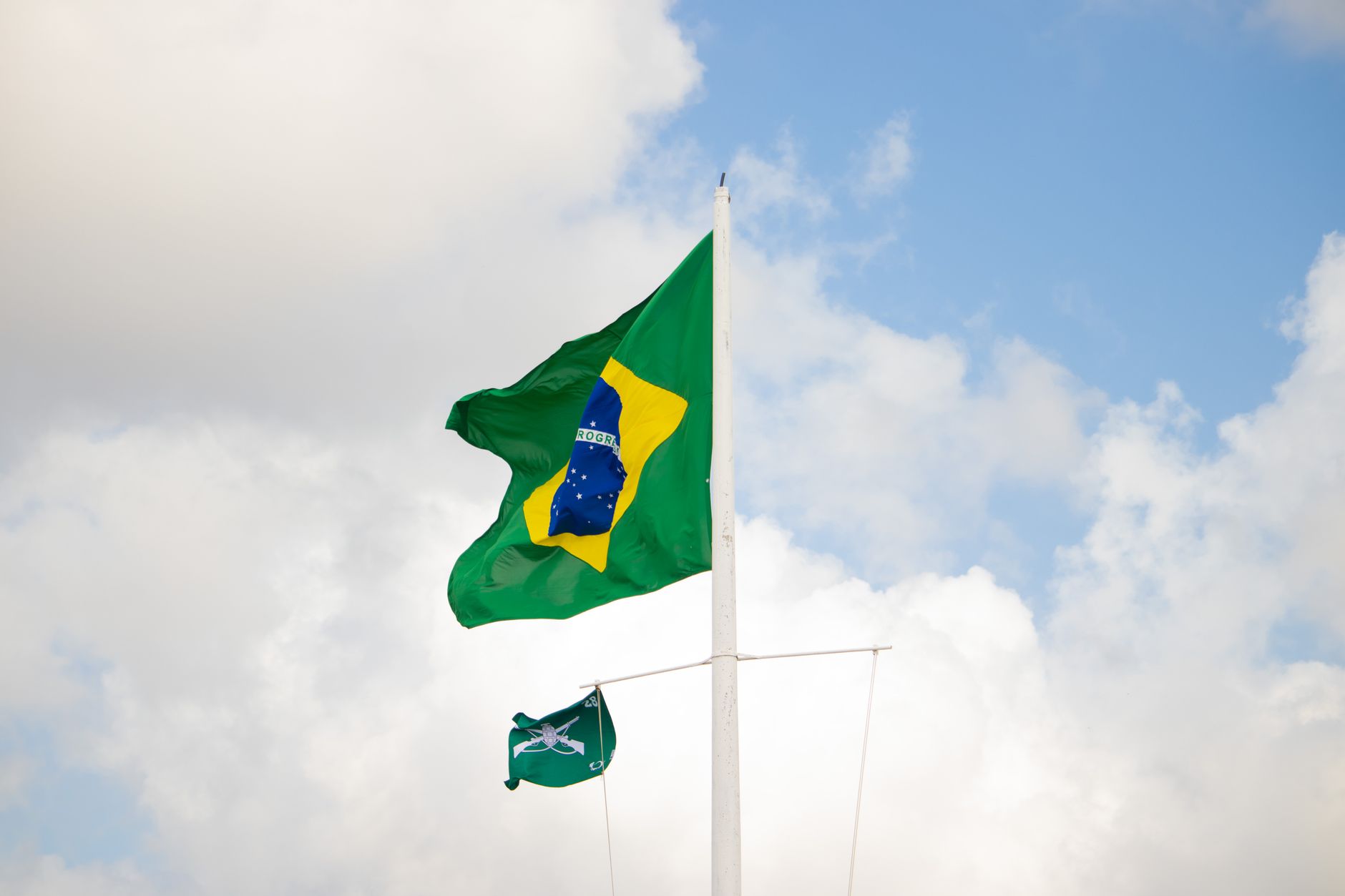
Latin America’s next major democratic stress test will not be staged in a small, fragile republic, but in its largest country and economy: Brazil, where President Luiz Inácio Lula da Silva is heading into an October 2026 election that is already reshaping regional debates about power, institutions, and sovereignty.[3][17]
In the past 48 hours alone, Brazil’s political temperature has risen. BBC Brasil devoted extended coverage to Lula’s “red alerts” and the tools he plans to deploy in the campaign, underscoring how the incumbent is treating this race as existential, not routine.[12][3][17] Polling reported by Reuters shows why: a Datafolha survey finds Lula’s lead over Flávio Bolsonaro narrowing, with one second‑round scenario placing them at 43% to 40%, a margin too thin for comfort in a deeply polarized country.[5][9]
What happens in Brazil will echo across Latin America. This is not just about another left‑versus‑right contest; it is about whether the region’s largest democracy can hold firm under the strain of inequality, digital disruption, and populist backlash that reverberate from Mexico City to Buenos Aires.
Institutions under the spotlight
The integrity of Brazil’s vote will be watched far beyond its borders. Agency Brasil reports that the Organization of American States (OAS) will send observers to supervise the 2026 elections, just as street campaigning and online advertising have now been authorized.[1] Electoral authorities are stressing that vote tabulation is “open, auditable, and secure,” a message calibrated for a region where accusations of fraud have become a recurring tool in political warfare.[1]
This institutional choreography matters. Across Latin America, faith in democracy is fraying, even where elections remain regular and formally competitive. Brazil’s decision to invite multilateral scrutiny and to emphasize technical transparency is an attempt to inoculate the process against the delegitimization campaigns that have clouded elections in countries from Bolivia to Venezuela.
Yet the presence of observers is only one layer of institutional drama. On 21 August, Infobae reported that Brazil’s Supreme Court authorized visits by two of Jair Bolsonaro’s sons, Carlos and Jair Renan, to the former president’s house arrest, while explicitly forbidding political discussions during those meetings.[13] The ruling is a stark reminder of how judicial institutions are being asked simultaneously to enforce accountability and manage political volatility.
Latin America’s broader judiciary trend is a mixed record: bold corruption prosecutions, politicized interventions, and public skepticism. Brazil’s Supreme Court, already polarizing, is now a central actor in a contest that will be read region‑wide as a test of whether courts can constrain destabilizing forces without becoming partisan protagonists.
Economic bets in an election year
The election unfolds amid policy moves that show how economic decisions are increasingly tactical—and symbolic—during campaigns. Reuters reports that Brazil’s Congress has approved a bill exempting data‑center‑related equipment from federal taxes, a move explicitly linked to attracting investment in a year when voters are weighing both growth and digital access.[5]
This isn’t just fiscal fine‑tuning. Latin America is grappling with a new development dilemma: how to court technology capital without deepening inequality or ceding control of critical infrastructure. Brazil’s bet on tax breaks for data centers signals to investors that the country wants to be a digital hub, but it also raises familiar regional questions. Who benefits from these incentives? Will underserved communities see tangible gains, or will this become another asset for already powerful corporations and metropolitan elites?
Another policy, reported by Reuters on Monday, shows the incumbent government trying to position itself as a defender of ordinary consumers in the digital economy.[5] New regulations for ticket sales, resales, and access to cultural events introduce transparency requirements for online purchases and ban automated bulk buying by bots.[5] As concerts and sports events become key markers of post‑pandemic normality, regulating access is more than technocratic tinkering—it is a symbolic intervention in how markets treat citizens.
Across Latin America, where inflation and precarious work have eroded living standards, these consumer‑focused measures are a reminder that electoral politics now runs through the everyday frustrations of fees, apps, and opaque digital platforms.
Geopolitics meets populism
Brazil’s election is not insulated from global currents—or from the region’s history of external pressure. On 5 September, BBC Brasil published an analysis of U.S. politics titled “EUA em primeiro lugar,” examining how Donald Trump trades diplomacy for political allies and generates tensions with Brazil.[12] The piece underscores a broader truth: Latin America’s domestic contests are increasingly entangled with the strategies and rhetoric of major powers.
For decades, Latin American progressives warned that Washington’s preferences could tilt local politics; conservatives, meanwhile, courted foreign endorsement as a signal of economic orthodoxy and security cooperation. Today, the picture is more fragmented. China’s presence, Europe’s green agendas, and U.S. polarization mean that leaders from Lula to his right‑wing rivals face a menu of external partnerships, each with its own political cost.
In this environment, Brazil’s 2026 race will be watched as an indicator of whether Latin America continues its pendulum swing between left and right or enters a new phase defined less by ideology than by attitudes toward global capital, climate constraints, and digital sovereignty. Lula’s “red alerts” hint at a campaign that will likely lean on fears of democratic backsliding and social regression.[12][3][17] His opponents will frame the vote as a verdict on economic fatigue and institutional overreach.
For the rest of Latin America, the stakes are straightforward: if its largest democracy can manage a tight, polarized election with transparent institutions, credible oversight, and policies that speak to citizens rather than algorithms, it will offer a fragile but vital template for a region struggling to keep faith in the ballot box as a path—not an obstacle—to change.