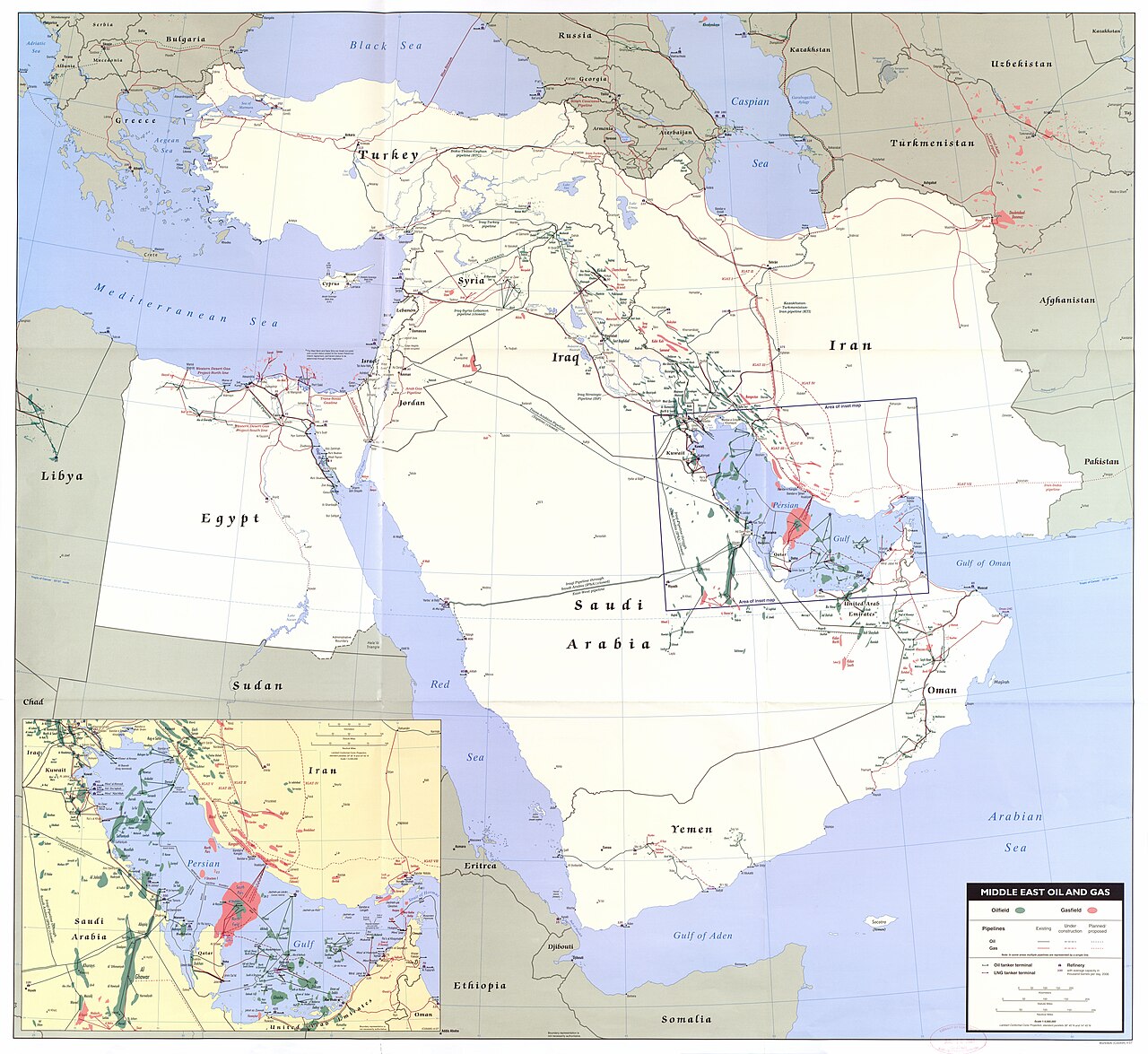
The global economy has so far absorbed a severe energy shock without falling into recession. But the apparent resilience masks a difficult policy problem: the conflict in the Middle East is pushing up energy and input costs just as governments, businesses and households are already carrying heavy debt.
The OECD’s latest interim outlook projects global growth of 2.9% in 2026 and 3.0% in 2027, below the 3.4% recorded in 2025. The organisation says the conflict has become the dominant force shaping the outlook, raising energy and agricultural prices while weakening confidence and real incomes. OECD Interim Economic Outlook
Why the shock has not become a global recession
Several buffers have softened the immediate impact. Oil inventories remain sizeable, supplies from outside Gulf economies have helped replace disrupted output, and governments have introduced discretionary support measures. The OECD also points to continuing strength in technology-related production and investment, particularly around artificial intelligence.
That combination has kept world output expanding, but it does not make the shock harmless. A supply disruption is different from a normal downturn: higher prices can restrain demand while simultaneously increasing inflation. Central banks then face a choice between supporting growth and preventing a temporary energy surge from becoming embedded in wages and expectations.
The OECD estimates that inflation could rise by about 0.4 percentage points in 2026 and 1.3 percentage points in 2027 under its outlook. Higher energy prices also threaten poorer households disproportionately because they spend a larger share of their income on transport, heating and food.
AI is both a cushion and a vulnerability
Technology investment has become an important counterweight to geopolitical weakness. Strong demand for computing equipment, data-centre construction and related services has supported production and trade. The OECD describes continued AI-related activity as a significant source of investment momentum.
But the same boom is creating a second source of uncertainty. Financial markets have begun questioning whether the enormous capital spending required for AI will generate returns quickly enough. Reuters reported that concerns about the cost of the buildout, combined with the prospect of tougher regulation after US midterm elections, were weighing on technology stocks. The report also highlighted political resistance to data centres because of their demands for electricity and water. Reuters market analysis
This matters beyond share prices. If AI investment continues, it could raise productivity and help sustain growth despite weak manufacturing and expensive energy. If expectations reverse sharply, companies could delay projects, markets could reprice technology firms and the investment support currently cushioning the economy could fade.
Central banks face an increasingly narrow path
Energy-driven inflation complicates interest-rate decisions because monetary policy cannot produce more oil or reopen disrupted trade routes. Raising rates may weaken demand and prevent second-round inflation, but it also increases borrowing costs for households, companies and governments. Holding rates steady may protect activity, yet risks convincing workers and firms that higher prices will persist.
Recent market commentary points to this tension. Deloitte reported stronger-than-expected US job growth alongside concern about inflation, rising employer healthcare costs and the uncertain payoff from AI investment. It also noted that eurozone inflation had accelerated and that the Bank of England had raised rates for the first time since 2023. Deloitte Global Economic Update
The policy response is therefore likely to be uneven. Countries with fiscal room can temporarily subsidise energy or support vulnerable households. Others may be forced into austerity or targeted assistance, especially if higher yields increase debt-service costs. Broad subsidies can limit immediate hardship, but they are expensive and may weaken incentives to reduce energy consumption.
What comes next
The central variable is the duration and geographic spread of the conflict. A rapid de-escalation would allow inventories and alternative suppliers to continue cushioning markets. A prolonged disruption, especially involving major shipping routes or Gulf production, would make the OECD’s relatively resilient forecast harder to sustain.
Investors will also watch whether AI spending translates into measurable productivity rather than simply higher valuations and infrastructure bills. Meanwhile, governments face pressure to balance energy security, climate commitments and public opposition to new data centres.
The most plausible near-term outcome is neither collapse nor a return to easy growth. It is a more volatile economy in which geopolitical risk, energy prices and technology expectations interact. The world has shown that it can absorb successive shocks. The unresolved question is how much inflation, debt and political strain that resilience can bear.